


Nacayo
旅游攻略
March is a rewarding time to visit China, but your choice of destination matters more than the month on its own. Golden rapeseed fields can be flowering in the south while Beijing remains chilly, and the best cherry blossom scenes often develop later in the month.
From Yunnan’s karst landscapes and Wuyuan’s traditional villages to Wuhan’s cherry blossoms, Jinchuan’s pear trees and the teahouses of Chengdu, the ideal journey is one that fits your actual travel dates, interests and transport time.
Choose your spring landscape before choosing your cities.
EARLY MARCH — Luoping’s rapeseed fields, Yunnan’s historic towns, and the food and culture of Chengdu and Chongqing.
MID-MARCH — Wuyuan’s flower terraces, early cherry blossom opportunities in Wuhan, and gardens in Hangzhou and Suzhou.
LATE MARCH — Wuxi and Wuhan cherry blossoms, Jinchuan pear blossoms, and the first signs of spring in Beijing.
Flowering dates vary with weather and elevation. These are planning windows, not bloom guarantees.
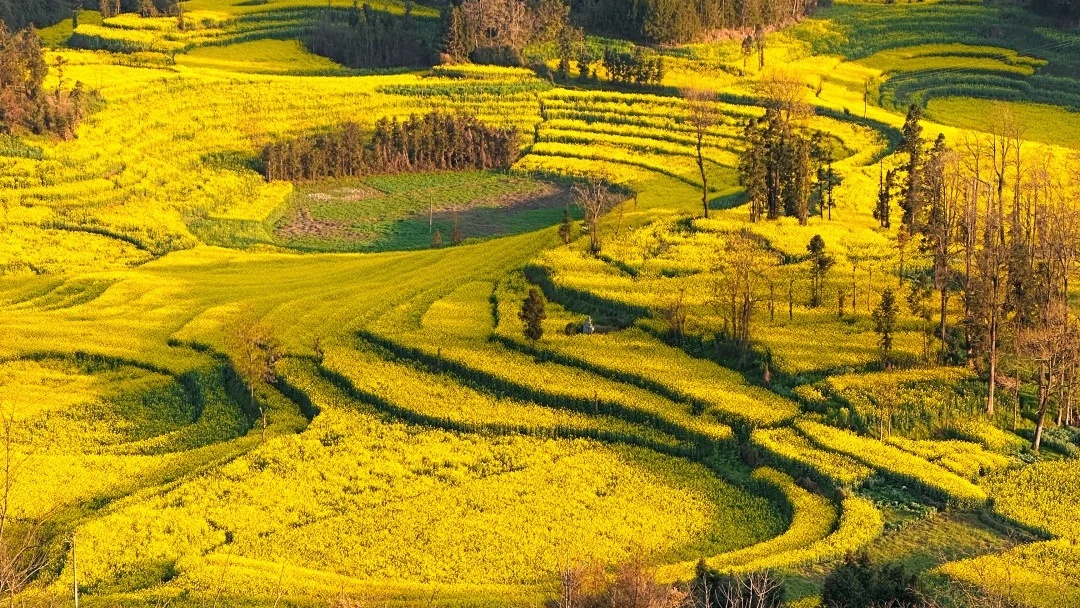
PHOTO 01 · Luoping Flower Fields and Karst Peaks · 1400 × 800
Luoping is one of China’s earlier spring flower destinations. At Jinji Peaks (Golden Rooster Peaks), hundreds of limestone hills rise above the golden rapeseed fields, making the scenery distinct from ordinary flat flower farms. Luosi Field offers curved and terraced field patterns that are equally attractive to photographers.
Plan a morning or late-afternoon visit and allow time for travel between viewpoints. Flowering often starts in February, and field conditions depend on farming schedules, so late March may be too late for the scene you have in mind.
In Wuyuan, fields of yellow flowers surround whitewashed Hui-style houses, dark-tiled roofs and mountain villages. Jiangling is known for sweeping terraced views; Huangling combines village streets, seasonal scenery and visitor facilities. They are related but not identical experiences.
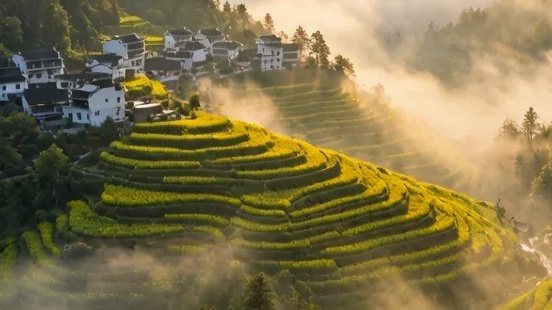
PHOTO 02 · Wuyuan Flower Terraces and Villages · 1200 × 800
Take two or three days if possible. Staying overnight gives you access to quieter village mornings, but some scenic areas are separated by winding roads. Wuyuan Railway Station is not the same as arriving at the villages themselves.
East Lake Cherry Blossom Garden is the main attraction for a blossom-focused visit to Wuhan. Its trees flower in stages, while paths, lakeside spaces and traditional-style structures create a good setting for walking and photography.
Wuhan University is famous for cherry blossoms too, but campus entry may require registration or be limited to certain visitors. Do not assume that the university operates like an ordinary public park. Check the university’s rules for your year and passport type.
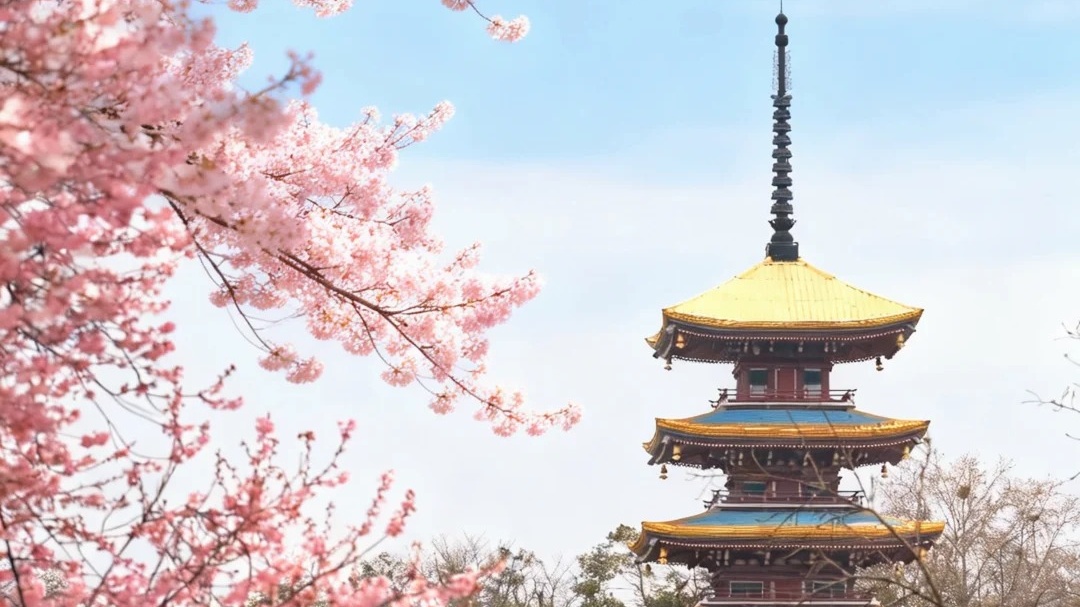
PHOTO 03 · Wuhan East Lake Cherry Blossoms · 1200 × 800
Yuantouzhu (Turtle Head Isle) in Wuxi is known for cherry blossoms next to Taihu Lake. Bridges, lakeshore views and flowering trees create a more expansive spring setting than a compact urban park. The park has varieties that open at different times, so a long festival calendar should not be mistaken for one continuous peak.
Wuxi works especially well in an eastern China itinerary with Shanghai, Suzhou or Hangzhou. A long day trip is possible, but an overnight stay is more comfortable if you hope to photograph spring light or avoid weekend crowding.
In the Dajinchuan River valley, mature pear trees bloom around Jiarong Tibetan villages, stone watchtowers and terraced slopes. The scene is not a manicured flower park: villages and mountain roads are an essential part of the experience.
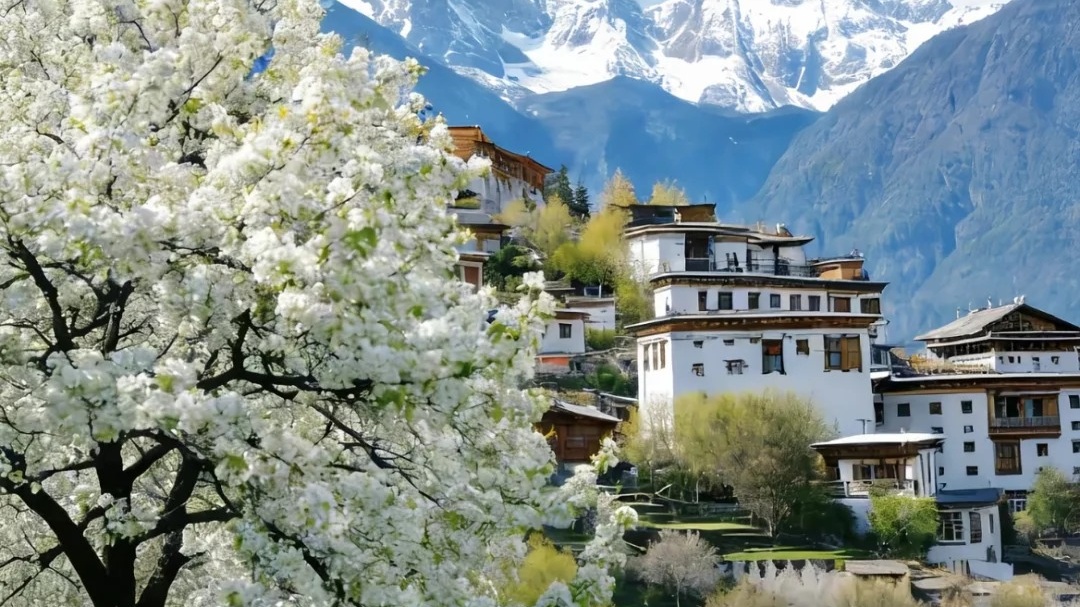
PHOTO 04 · Jinchuan Pear Blossoms and Mountain Villages · 1200 × 800
Shaler Township and the Shenxianbao viewpoint are among the areas to consider. Because flower trees are scattered across the valley and road conditions vary, allow several days for a route from Chengdu rather than treating Jinchuan as a short detour. Mountain mornings and nights can be significantly colder than Chengdu.
For a more detailed mountain route, see our planned Jinchuan pear blossom travel guide.
For visitors who prefer a journey that does not depend on peak blossom dates, Chengdu and Chongqing are a dependable cultural pairing. In Chengdu, visit the Giant Panda Base early in the day, spend time at Heming Teahouse in People’s Park, and explore local food neighborhoods. Dujiangyan or Mount Qingcheng can add a day outside the city.
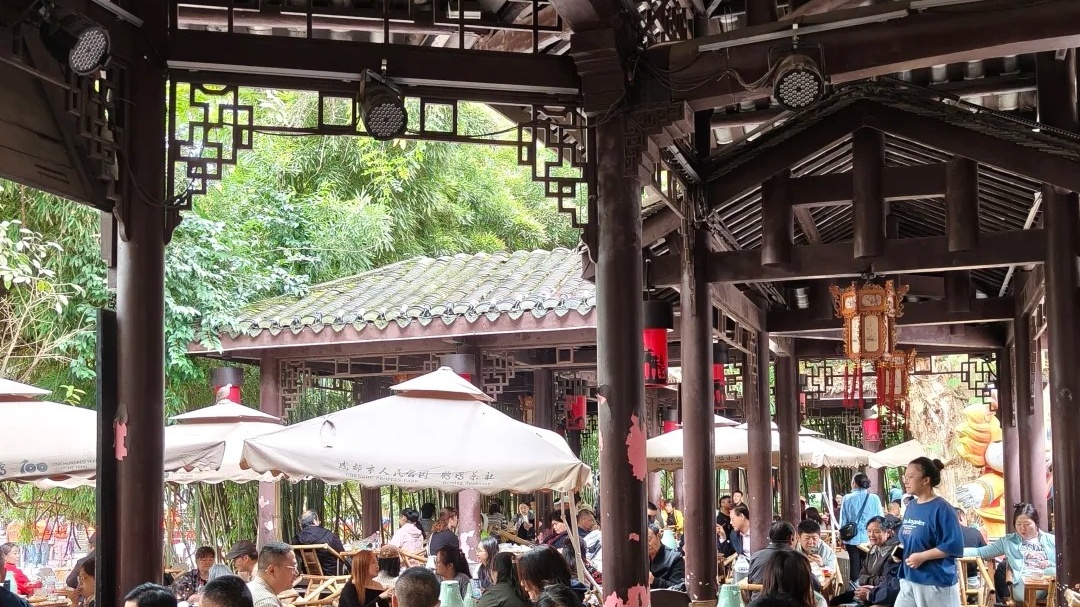
PHOTO 05 · Chengdu Teahouse and Daily Life · 1000 × 750
Chongqing provides a striking contrast: steep hillside streets, the Liziba monorail viewpoint, historic neighborhoods, the Jiefangbei area and the illuminated riverside around Hongyadong. Travel between the two cities is convenient by rail, but confirm the exact departure and arrival stations before booking.
A natural next step is a 5-day Chengdu and Chongqing spring itinerary.
Hangzhou is a good place to experience West Lake, willow-lined paths, early flowers and the tea-producing landscape around Longjing. The timing of tea picking changes by variety and year; a March tea-village visit should not be sold as a guaranteed chance to watch harvesting.
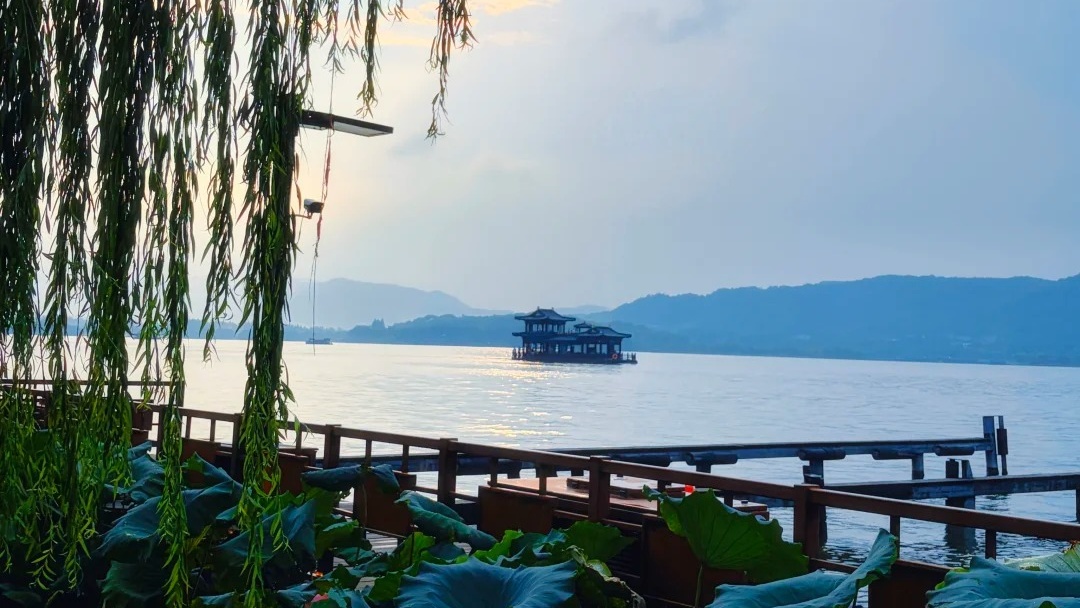
PHOTO 06 · Hangzhou West Lake in Spring · 1200 × 800
Suzhou has a different appeal: classical gardens, canals, courtyard details and neighborhoods that reward unhurried walking. Both cities fit naturally into a trip based around Shanghai, with straightforward regional rail options and fewer long-distance transfers.
Dali is ideal for a slower pace around Erhai Lake, Bai cultural heritage and Cangshan Mountain. Lijiang is known for its historic town and access to Jade Dragon Snow Mountain, with a cooler climate at higher elevations.
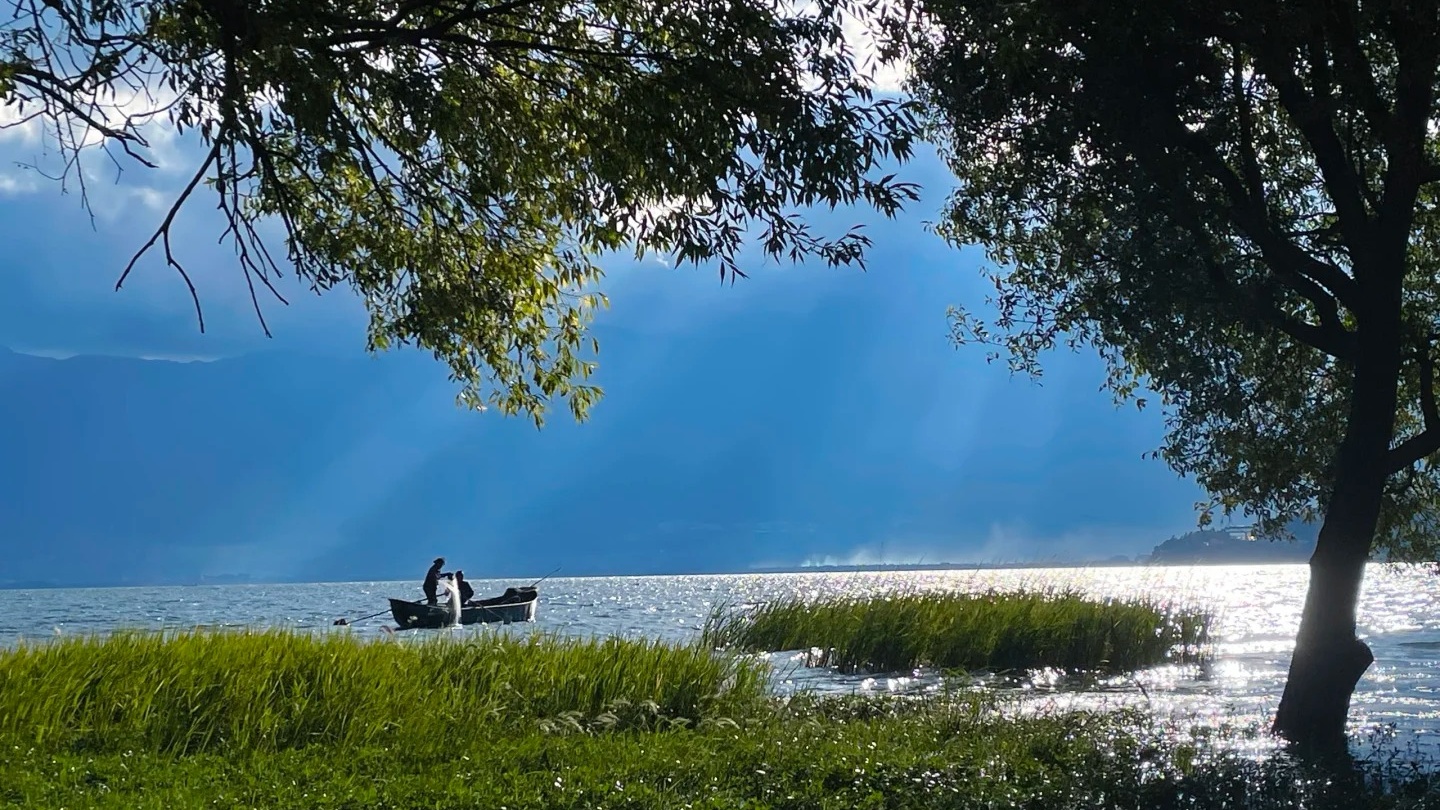
PHOTO 07 · Dali Erhai Lake and Cangshan · 1200 × 800
Choose Dali if relaxing lakeside days are your priority; choose Lijiang for historic lanes and mountain scenery. Combining both is rewarding with four or five days, but remember that weather around a high mountain can be very different from conditions beside the lake.
Guilin and Yangshuo offer limestone peaks rising from green fields and river valleys. Visit the Li River, explore countryside roads near Yangshuo, and consider a Yulong River experience when conditions allow. Walking or cycling through villages can be as memorable as a famous viewpoint.
March can be damp and misty. That atmosphere suits some photographers, but rain can restrict outdoor activities, river operations and long-distance views. Leave flexibility in the plan rather than promising clear blue skies every day.
Beijing can still be cold and windy in early March, but its major cultural sights are compelling regardless of flower dates. The Forbidden City, hutongs and a Great Wall excursion make an excellent introduction to China. At the end of March, parks such as Yuyuantan may begin showing cherry blossoms and other seasonal color.
Book high-demand attractions using their current official rules and dress in layers, especially for exposed parts of the Great Wall. Do not describe Beijing as a warm early-spring destination just because southern China is already flowering.
Nyingchi’s peach blossoms create a different spring experience: flowering trees in wide river valleys with Tibetan villages and high mountain scenery. Some valleys may become attractive in late March, while others peak in April, so the route should follow that year’s local flower forecast.
Cooler mornings and evenings, sometimes windy. Carry a warmer layer for outdoor cultural sights and the Great Wall.
Milder spring conditions develop, but rain and cooler evenings remain common. Pack a light jacket and rain protection.
Comfortable for many city activities, though damp or cloudy weather is possible. Western Sichuan mountains are much colder than the basin.
Yunnan has large elevation differences. Sunny afternoons do not remove the need for warmer evening layers.
Spring greenery and mist, accompanied at times by rain and reduced views.
Colder nights, stronger sun and mountain weather variations; avoid basing your clothing list on the Chengdu forecast.
For a longer seasonal comparison, see Best Time to Visit China.
Luoping tends to be earlier, sometimes starting in February; Wuyuan often suits mid-to-late March.
Wuhan and Wuxi are important March destinations. Beijing’s major cherry season generally arrives later.
Jinchuan’s old pear trees often become a highlight in the latter part of March.
Nyingchi has staggered valley bloom dates spanning parts of March and April.
Magnolias, plums and ornamental peach blossoms can color gardens in several major cities.
If flower fields are your top priority, read our planned Luoping vs Wuyuan spring flower comparison.
Travelers with young children or older family members may prefer fewer hotels and direct rail routes. Photographers may value two mornings in one scenic area more than three rushed stops. Choose the type of trip before choosing the number of destinations.
Day 1: Arrive in Chengdu and enjoy an easy evening.
Day 2: Giant Panda Base, People’s Park and a teahouse.
Day 3: Cultural Chengdu sights, then high-speed train to Chongqing.
Day 4: Liziba, historic neighborhoods and riverside night views.
Day 5: A relaxed morning before departure.
Good throughout March, even if spring flowers are not at their peak.
Day 1: Arrive in Shanghai and explore the Bund.
Day 2: Shanghai historic and modern neighborhoods.
Day 3: Travel to Hangzhou and visit West Lake.
Day 4: Longjing tea area and Hangzhou cultural experiences.
Day 5: Transfer to Suzhou for classical gardens.
Day 6: Wuxi Yuantouzhu or another Jiangnan spring stop.
Day 7: Return to Shanghai with ample departure time.
Best adjusted to the actual Wuxi flower season, rather than a festival calendar alone.
Days 1–3: Beijing: Forbidden City, hutongs and the Great Wall.
Days 4–5: Shanghai city experiences.
Days 6–7: Hangzhou: West Lake, tea and traditional neighborhoods.
Day 8: Suzhou classical gardens.
Day 9: Wuxi cherry blossoms or a flexible Jiangnan cultural visit.
Day 10: Transfer to your outbound airport.
This route remains worthwhile if flowers appear slightly earlier or later than expected.
Festival dates are not peak bloom forecasts. Look for official seasonal updates and recent local photographs.
Some museums, parks and campuses use timed entry or identity-based reservations. Policies can change.
China’s cities often have multiple railway stations. Confirm the exact station and passport details before travel.
Reaching Wuyuan or Luoping by train is not the same as arriving at the flower viewpoints. Include the road transfer in your schedule.
A wind-resistant jacket, comfortable shoes, compact rain protection and extra insulation for mountains can all be useful in March.
Set up connectivity and payment, save hotel names in Chinese and keep offline copies of important bookings.
For the details, see our China Train Guide, Getting Around China and First Trip to China.
Yes. It can be a rewarding month for flowers, cultural cities and regional journeys, provided you choose destinations that suit your dates and the weather.
Wuhan’s East Lake and Wuxi’s Yuantouzhu are two strong options. Different varieties bloom at different times, so check the latest local updates.
For many well-known main displays, early March can be too soon. Some early varieties may already be open, particularly in warmer places.
Choose Luoping for wide flower fields around karst hills and typically earlier timing; choose Wuyuan for terraces, villages and a Jiangnan-style cultural setting.
Yes. The high-speed rail connection makes the two cities a practical 4–6-day combination for food, pandas, architecture and everyday culture.
Not necessarily. Early March can still be cold and windy. Beijing is a strong cultural destination, but do not pack for southern spring temperatures.
Snow may remain or fall in higher mountain areas, but it is not something to expect in most lowland cities. Specific snow conditions cannot be guaranteed.
Not always, but rain and mist are common enough that river experiences and viewpoints should have flexible scheduling.
Five days works for one compact region, seven days for a more rounded regional trip, and ten days for a well-planned combination of major cities.
Travel may be possible with the applicable permissions and approved arrangements. Check Tibet-specific requirements and your planned route before booking.
March is not one national flower season. Choose one region for your actual travel window, leave time for weather changes, and build a trip that still feels rewarding if blossoms open several days earlier or later than expected.
Nacayo Travel helps international visitors create private and tailor-made trips across China, from Chengdu and Chongqing to western Sichuan and more complex multi-city journeys. Our team can help compare destinations, organize transport and select a sensible pace.
Tailor-Made Travel · Private Tours · Local Experiences
TRUST FIRST. FUN FOLLOWS.

PHOTO 08 · NACAYO TRAVEL LOGO · 480 × 160