


Nacayo
旅游攻略
June is a rewarding time to explore China, especially if you prefer mountain scenery, blue-green lakes, wildflower meadows and long daylight hours. Yet summer does not feel the same everywhere: the Sichuan highlands may be pleasantly cool while Chengdu and Chongqing are humid, and the Yangtze River region can be entering its rainy season.
From the colorful waters of Jiuzhaigou and the alpine valleys of Mount Siguniang to Xinjiang’s lavender fields and Hulunbuir’s grasslands, the best June itinerary depends on your travel dates, tolerance for rain and heat, and willingness to spend time on the road.
Choose a landscape, then plan around the weather and the last mile.
EARLY JUNE — Jiuzhaigou, Mount Siguniang, cultural Chengdu, and the Silk Road sites of Gansu are strong options. Check how green the northern grasslands have become.
MID-JUNE — Look toward Ili’s lavender fields, lakeside scenery at Sayram Lake, Shangri-La’s mountain meadows and the greener landscapes of Inner Mongolia.
LATE JUNE — Grasslands and plateau lakes can be especially appealing, while wetter southern regions call for more flexibility and careful weather checks.
Flowering, grass growth, road access and rainfall shift from year to year. These are planning windows, not guarantees.
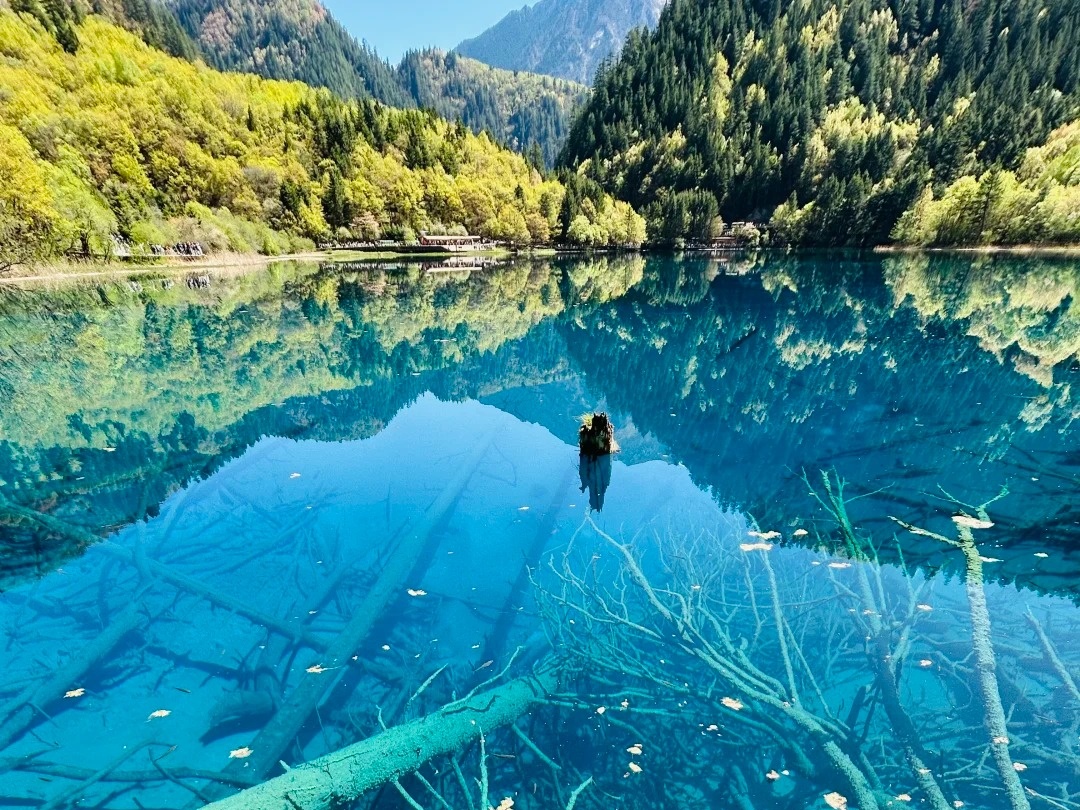
PHOTO 01 · Jiuzhaigou Turquoise Lakes in Early Summer
Jiuzhaigou is famous for its striking blue-green lakes, forested valleys and waterfalls. In June, fresh foliage frames places such as Five Flower Lake, Five-Color Pond and Nuorilang Waterfall. The experience is very different from the orange and gold forests of autumn: the main attraction is water against deep summer green.
Huanglong, near Songpan, is a separate high-altitude scenic area known for stepped travertine pools and mountain scenery. It is not another stop inside Jiuzhaigou. Visiting both requires a sensible sequence, road transfers and attention to altitude, especially for families or travelers who dislike strenuous walking.
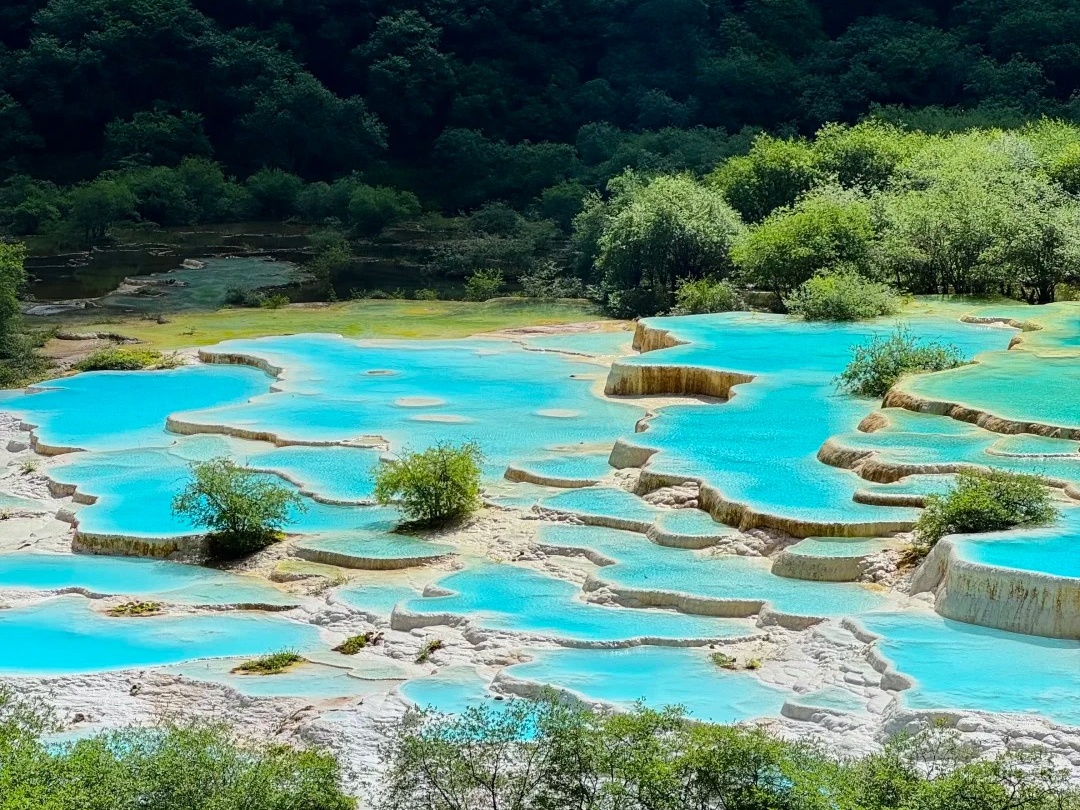
PHOTO 02 · Huanglong Colorful Travertine Pools · 1200 × 800
Travelers can use rail services toward the region, including the Huanglongjiuzhai or Songpan area where appropriate, and then continue by scenic shuttle or arranged vehicle. The railway station, attraction entrance and hotel area near Jiuzhaigou Valley are three different locations. Confirm the transfer for each leg rather than assuming the train arrives at the park gate.
For more season-specific details, read Jiuzhaigou summer travel guide.
Mount Siguniang is an excellent choice for travelers who want to see dramatic high mountains without committing to a technical climb. Snow-covered peaks rise above green pastures, mountain streams and forests. In June, the contrast between the cool high slopes and greener valleys is part of the appeal.
The three main valleys have different travel styles. Shuangqiao Valley is the most straightforward for conventional sightseeing, with a scenic shuttle serving major viewpoints. Changping Valley is better suited to walkers who want to spend time on forest and valley trails. Haizi Valley is more demanding and better suited to visitors specifically interested in longer outdoor routes.
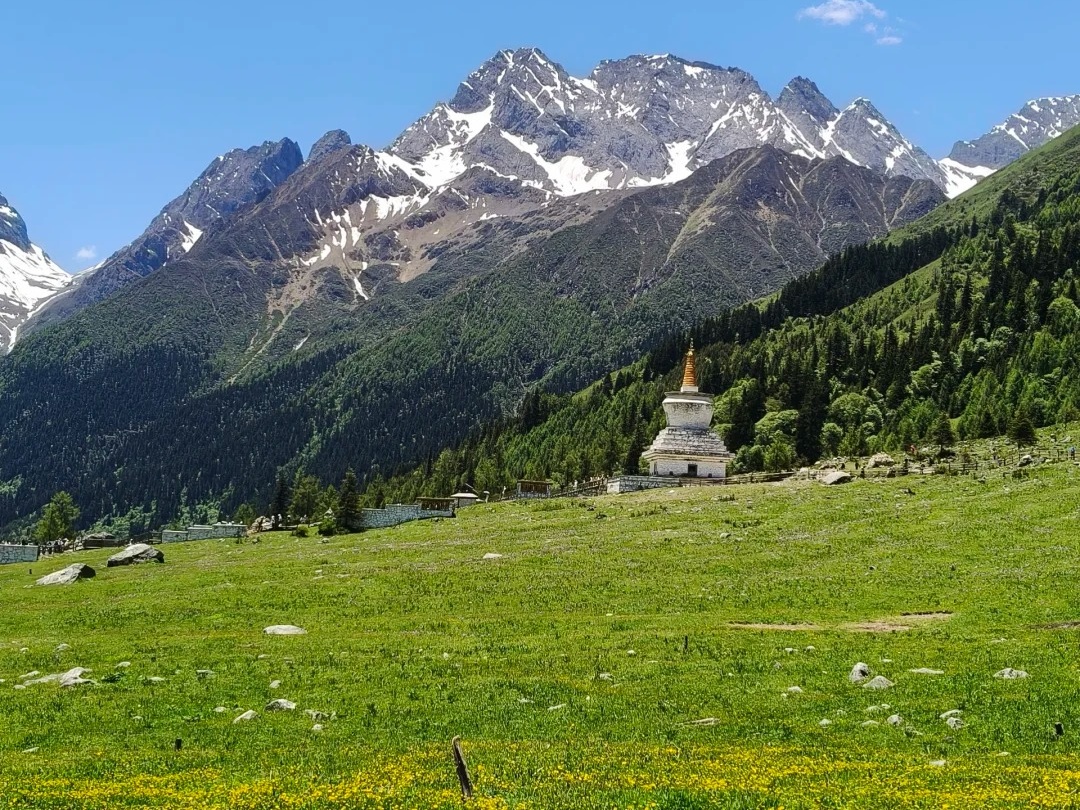
PHOTO 03 · Mount Siguniang Snow Peaks and Summer Meadows · 1200 × 800
June brings the possibility of rain, low clouds and changing mountain visibility. A warm afternoon in Chengdu should not be used to decide what to wear in the valleys. Choose one principal valley per sightseeing day, particularly when traveling with children or older family members.
Compare the walking demands and scenery in Shuangqiao Valley vs Changping Valley guide.
June is a distinctive time to visit the Ili River Valley in Xinjiang. Near Huocheng, cultivated lavender fields can turn purple around flowering time, while Sayram Lake brings a very different scene of blue water, mountains and open meadows. Together they make a strong regional trip for landscape photographers and travelers who enjoy open spaces.
Lavender is an agricultural crop, not a permanent flower display. Bloom and harvesting can vary by location and year. Do not book an entire Xinjiang trip around a single predicted peak day. The region is large, and transfers between Yining, Huocheng, Sayram Lake and more distant grasslands need proper travel days.
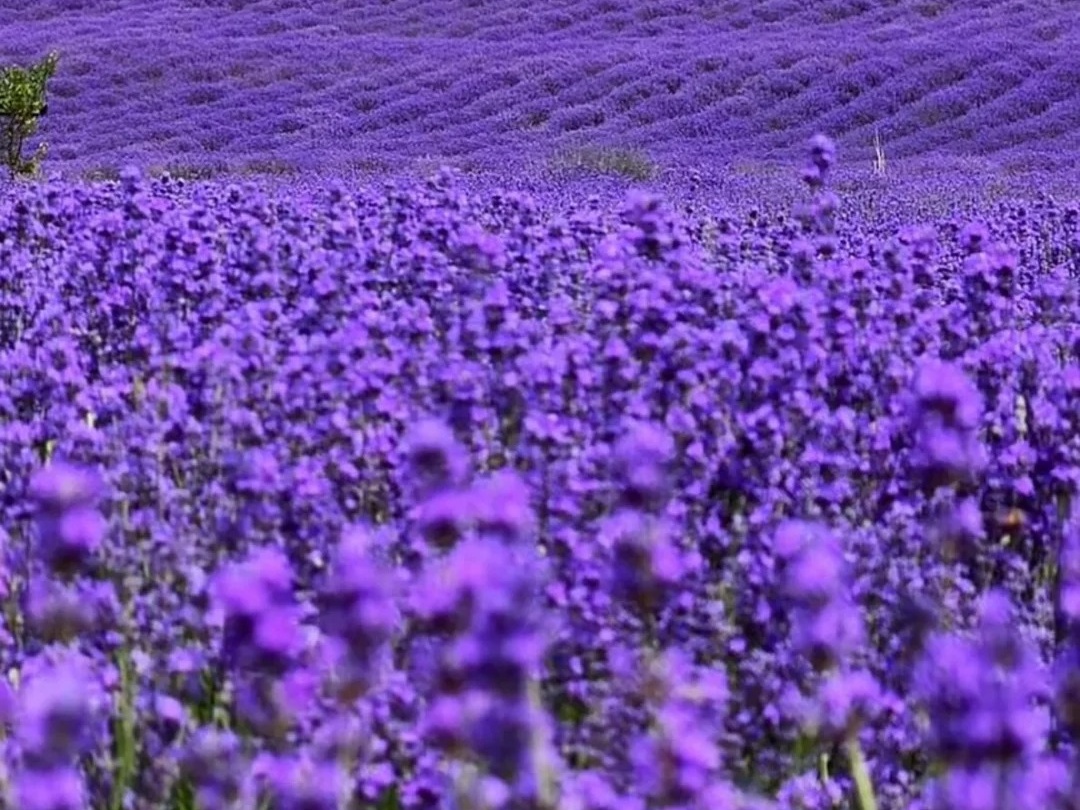
PHOTO 04 · Huocheng Lavender Fields in June · 1200 × 800
For a longer itinerary, look at grassland areas such as Nalati. Scenic mountain roads may have seasonal opening dates, vehicle restrictions or reservation rules. The Duku Highway in particular should be treated as an optional route, never assumed to be open on a chosen June date.
For a regional route and flower-season details, see Ili in June: lavender, lakes and grasslands.
Hulunbuir is a natural choice for visitors who picture summer as open horizons, rolling grasslands, grazing animals and rivers winding through green countryside. Around Erguna and the Heishantou area, scenery changes from broad pastures to wetlands and pastoral settlements.
The landscape grows greener through spring and early summer, but June 1 and June 30 may look noticeably different. Rainfall and seasonal grass growth affect the color and fullness of the fields. Some of the most popular summer views become more established later in the month.
A grassland trip is about distances as much as scenery. Choose accommodation and activities carefully, respect privately managed grazing land, and ask before photographing people or entering homes. Weather can shift between sunny days, wind and afternoon showers.
In June, Shangri-La offers a mix of alpine scenery and cultural experiences. The landscape around Pudacuo, Napa Lake and nearby meadows can be green and dotted with seasonal flowers, including rhododendrons in suitable locations and elevations.
The region also includes Dukezong Ancient Town and Songzanlin Monastery, which offer cultural context beyond scenic photography. This is a useful destination for visitors who want to spend several days in a highland region rather than travel through it on a hurried bus tour.
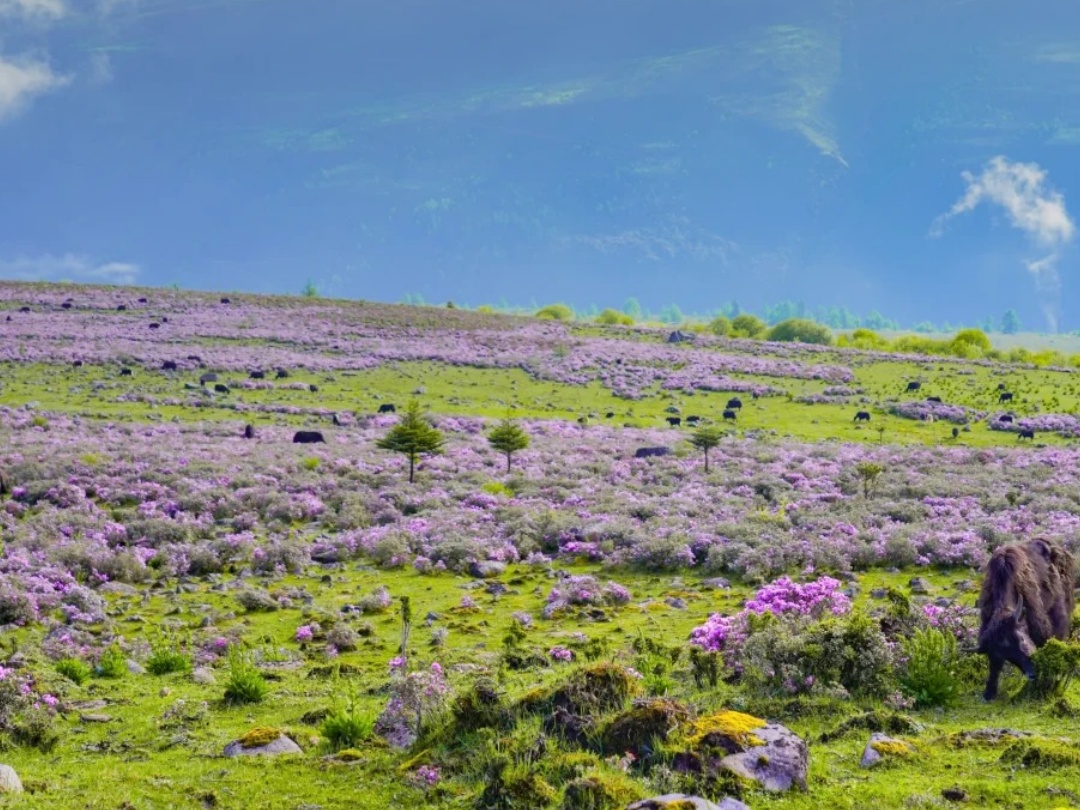
PHOTO 05 · Shangri-La Alpine Meadow and Flowers · 1200 × 800
June can coincide with the rainy season in Yunnan. A morning meadow walk and an afternoon visit to a cultural site may work better than scheduling every activity outdoors. High elevation means bright UV exposure and cooler evenings even when daytime weather feels mild.
Guizhou’s greener landscapes are a strong match for early summer. Huangguoshu Waterfall is the headline attraction, but a satisfying visit also takes time for the surrounding Tianxingqiao scenic area and the region’s karst environment. Greater seasonal rainfall can make waterfalls more impressive, though the exact flow cannot be guaranteed.
The trade-off is significant: heavy rain may affect visibility, walking routes, safety controls or transport. Travelers should keep a flexible sightseeing window and follow local closures rather than assuming that increased water flow always means better conditions.
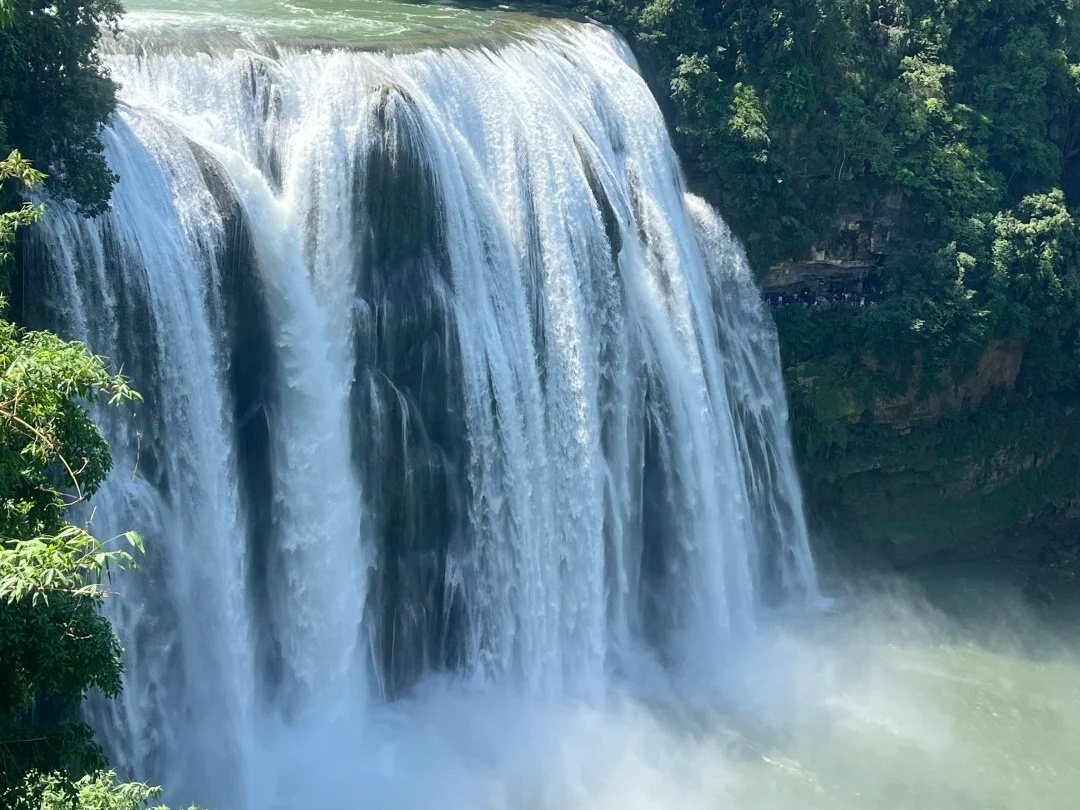
PHOTO 06 · Huangguoshu Waterfall and Green Forest · 1200 × 800
Use Guiyang as a practical gateway and add local food or selected cultural experiences if time permits. For travelers interested in ethnic minority communities, a separate Guizhou journey can also include carefully chosen villages rather than trying to cover all of the province in a single weekend.
Qinghai Lake is known for its broad blue water, plateau skies, distant mountain ranges and open lakeside grassland. In June the landscape can become greener, and the trip offers an alternative to humid lowland cities. A lake loop, however, involves long road distances, often at high elevation.
Visitors should distinguish early-summer Qinghai Lake from the famous golden rapeseed fields around Menyuan. Photographs of vast July flower fields should not be presented as a guaranteed June scene. If the yellow flowers are the main objective, check the current seasonal forecast and consider whether July fits better.
Sun protection, layered clothing and a realistic approach to elevation are useful. Stops along the lakeshore can be windy and cool, and availability or access at individual viewpoints may change.
Zhangjiajie National Forest Park is known for towering sandstone pillars and forested valleys. June greenery adds depth to the landscape, while drifting cloud and mist can create an atmospheric view. However, thick fog may also hide the formations you came to see.
Plan around the difference between Zhangjiajie National Forest Park, including areas such as Yuanjiajie and Tianzi Mountain, and Tianmen Mountain, a separate attraction with its own transport, tickets and logistics. They should not be treated as one single park stop.
Allow at least one flexible mountain day. Rain, slippery stairways, queues for lifts or cableways, and changing visibility can all affect the pace. Families who prefer less walking should choose accessible viewing routes and avoid trying to finish every trail.
For an early-summer trip with a cultural focus, Dunhuang and Zhangye offer a contrast to China’s green mountain landscapes. Dunhuang’s Mogao Caves preserve important Buddhist art and Silk Road history, while Mingsha Mountain and Crescent Moon Spring offer a desert setting best explored with attention to sun and wind.
At Zhangye Danxia, layered rock formations show bands of color in a broad landscape. The visual impression depends on light, weather and the viewing platforms selected. Dunhuang and Zhangye are far enough apart that their connection requires a properly planned rail or road travel day, not an improvised afternoon transfer.
Foreign-passport travelers can follow Mogao Caves’ official ticketing instructions, including the dedicated foreign-passport booking workflow described in the annual opening notice. Reservations are timed and subject to capacity; avoid buying from unauthorized resellers or assuming that a ticket can always be arranged at the gate.
June is not automatically a cool-weather month in Chengdu and Chongqing. Both can feel warm and humid, and Chongqing in particular is not a reliable escape from summer heat. Their appeal lies elsewhere: distinctive cuisine, everyday culture, historic neighborhoods, and one of China’s most interesting urban pairings.
In Chengdu, visit the Giant Panda Base early to avoid the warmer part of the day. Combine it with Heming Teahouse in People’s Park, local food areas, or an excursion to Dujiangyan. In Chongqing, explore Liziba, hillside neighborhoods, river crossings and Hongyadong’s evening setting without cramming them into one exhausting afternoon.
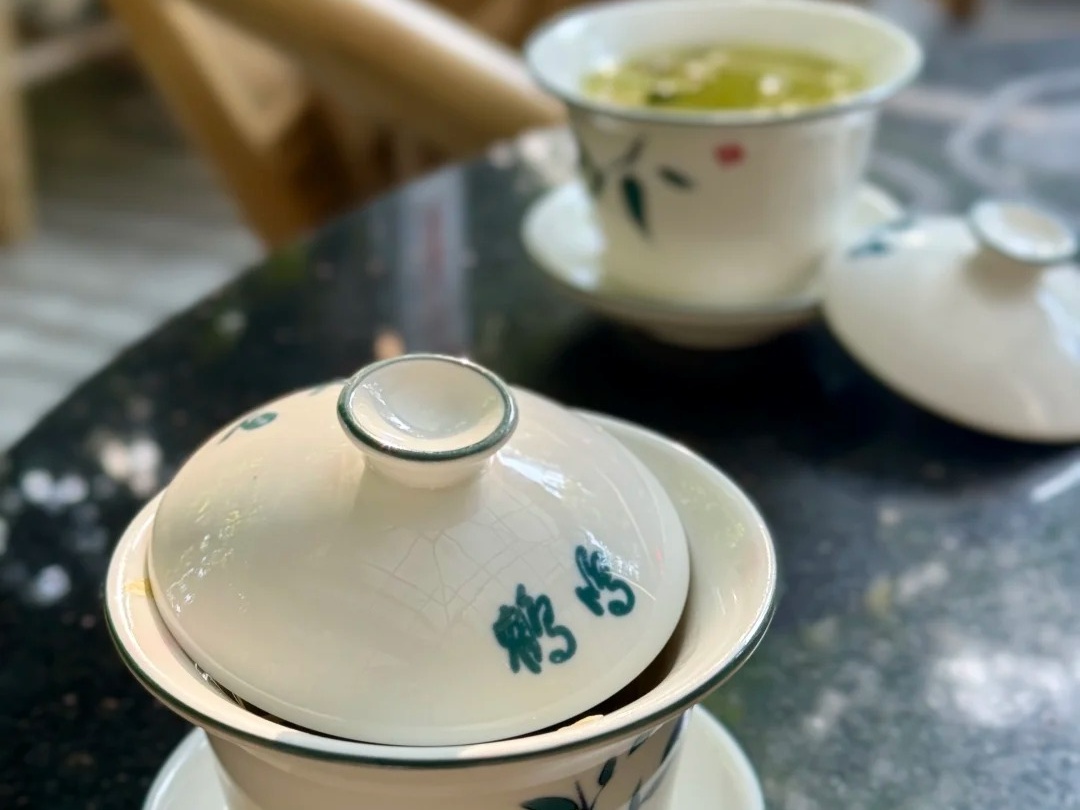
PHOTO 07 · Chengdu Teahouse in Early Summer · 1000 × 750
Chengdu and Chongqing connect well by high-speed rail, making a flexible city trip possible without depending on flower dates. If you also want mountain scenery, use Chengdu as a base for a separate Jiuzhaigou or Mount Siguniang section rather than assuming the highlands are a short city excursion.
June changes quickly: agricultural lavender fields approach bloom, northern grasslands become greener, and regional rain patterns develop. A simple early/middle/late-month framework can help if your flights are already booked.
Prioritize Jiuzhaigou, Mount Siguniang, Chengdu’s culture and Gansu’s Silk Road attractions. Ili can already be attractive, but lavender field conditions should be checked. Do not assume the entire northern grassland is at its lushest yet.
Ili and Huocheng are worth a close look for lavender; Shangri-La’s highland scenery and Qinghai Lake can also be appealing. Keep additional weather flexibility for Guizhou, Hunan and eastern China.
Consider Hulunbuir’s greener grasslands, Qinghai Lake, Sayram Lake and other western mountain landscapes. In rain-prone regions, preserve a backup day and watch local weather alerts.
June is not uniformly hot or rainy across China. The practical comparison is between city basins, humid eastern and southern regions, drier inland areas and high-elevation landscapes.
Sichuan Basin · Chengdu and Chongqing
Often warm and humid, with the possibility of rain. Plan pandas and longer walks early in the day and leave indoor food or cultural experiences for the hottest hours.
Western Sichuan · Jiuzhaigou and Mount Siguniang
Cooler mountain conditions, strong sun at elevation and sudden showers can occur on the same trip. Rain gear and a warm layer are useful even in June.
Eastern and Southern China
Some regions enter the plum-rain or monsoon season around June. Rainy-day plans, flexible river excursions and safe walking shoes matter more than a single monthly average.
Xinjiang and Gansu
Sunny, dry or very hot conditions are possible in exposed desert and basin areas. Mountain passes can remain chilly and conditions change quickly with elevation.
Inner Mongolia and Qinghai
Open grasslands and plateau lake areas may feel cooler but can be windy, with strong sun and occasional storms. Layers and sun protection remain important.
Northwest Yunnan and Guizhou
June greenery comes with increased seasonal rain in many areas. Mountain viewpoints may be misty, and heavy rainfall can affect road and trail access.
For other seasons and regional comparisons, see Best Time to Visit China.
If your top priority is avoiding very hot afternoons, focus on mountain valleys, plateau regions and selected northern grasslands instead of assuming a major city will be cool because it is known for nature nearby.
The wrong comparison is a pleasant photograph of Mount Siguniang against a temperature forecast for Chengdu. Use the weather forecast for the exact scenic entrance, village, hiking area or lake you intend to visit. For high-altitude days, take the walking pace and individual health needs seriously.
Turquoise lakes and waterfalls: Jiuzhaigou and Huanglong.
Snow peaks with practical sightseeing: Mount Siguniang.
Lavender fields and broad lake landscapes: Ili and Sayram Lake.
Vast grassy horizons: Hulunbuir.
Alpine culture and flower meadows: Shangri-La.
Big waterfalls and lush greenery: Guizhou.
High plateau lake landscapes: Qinghai Lake.
Cloudy pillar mountains: Zhangjiajie.
Silk Road history and desert geology: Dunhuang and Zhangye.
Pandas, cuisine and city culture: Chengdu and Chongqing.
For a first trip of five to seven days, prioritize one region with manageable connections. A beautiful destination becomes a poor fit if reaching it consumes most of the holiday. Families may be happier with fewer hotel changes; photographers may prefer to spend several nights near a lake or valley waiting for good light.
These are realistic regional examples, not a challenge to visit as many provinces as possible. Exact rail services and transfer sequences must be checked before departure.
Day 1: Arrive in Chengdu; enjoy a relaxed city afternoon or local food area.
Day 2: Take a suitable rail service toward the Huanglong/Songpan area, visit Huanglong if timing and conditions permit, then transfer to a hotel near Jiuzhaigou Valley.
Day 3: Spend a full day exploring Jiuzhaigou’s main lakes and waterfalls.
Day 4: Keep a flexible day for additional scenery, local culture or weather-related adjustments; avoid assuming another distant park fits automatically.
Day 5: Return toward Chengdu by road and/or rail, allowing enough time for transfers.
Book the rail station, Huanglong visit, hotel area and Jiuzhaigou gate as separate logistical steps. If connections are too tight, simplify Day 2.
Day 1: Arrive in Yining and settle in.
Day 2: Explore Huocheng lavender areas and nearby cultural stops, depending on bloom and harvest.
Day 3: Visit Sayram Lake and allow enough time for the lakeshore route.
Day 4: Return toward Yining at a comfortable pace and enjoy local markets or food.
Days 5–6: Choose one grassland area such as Nalati and spend time outdoors without trying to cover every scenic road.
Day 7: Return to Yining for departure, or overnight and depart later if drive and flight times do not connect comfortably.
Any route using the Duku Highway or other high passes must be redesigned around confirmed road access and traffic restrictions.
Day 1: Arrive in Chengdu and explore the city at an easy pace.
Days 2–3: Visit Mount Siguniang, focusing on one or two valleys rather than rushing all three.
Day 4: Return to Chengdu for a sensible overnight connection.
Day 5: Travel toward Huanglong, visit if time and health conditions suit, then continue to the Jiuzhaigou gateway.
Day 6: Enjoy a full day inside Jiuzhaigou.
Day 7: Use a flexible buffer day before returning toward the regional railway station.
Day 8: Travel via the confirmed rail connection toward Chongqing, usually with a Chengdu connection where required.
Day 9: Enjoy Chongqing’s city highlights and evening riverside views.
Day 10: Depart from Chongqing.
This route deliberately returns to a practical transport hub rather than assuming every western Sichuan mountain road provides an efficient direct loop.
For a ready-made regional route, explore 5-day Chengdu, Jiuzhaigou and Huanglong private tour.
The Dragon Boat Festival (Duanwu) follows the Chinese lunar calendar, so its date changes on the international calendar and can fall in May or June. When it falls during your June trip, some destinations host dragon boat races and seasonal cultural activities, and domestic travel demand may rise around the official holiday window.
The festival is also associated with zongzi, rice dumplings wrapped in leaves. Local activities vary widely: do not assume every city has a race on your exact travel day. Book rail tickets, hotels and fixed attractions more carefully if your dates overlap an announced national holiday.
Rainfall can affect mountain roads, waterfall walkways and scenic cableways. Have one flexible day and respect temporary closures.
Mountain mornings and windy lakeshores can be chilly even after a warm city day. Sun protection remains essential at elevation.
Start exposed sightseeing early, drink regularly and move indoor cultural visits to the warmest hours where practical.
The train may stop far from the park or hotel. For Jiuzhaigou especially, plan station, park entrance and accommodation location separately.
Mogao Caves and popular scenic areas can have identity-based reservations, visitor limits or separate foreign-passport instructions.
Xinjiang mountain-road access and mountain-area transport controls can change from season to season.
Arrange mobile data and payment, keep hotel addresses in Chinese and avoid an immediate long mountain transfer after a late international flight.
For details, see China Train Guide, Getting Around China, and First Trip to China.
Yes. June is excellent for many mountain, lake and grassland routes, but parts of southern and eastern China can be hot or rainy. Match your destination to the conditions.
Jiuzhaigou, Mount Siguniang, Shangri-La, Qinghai Lake and parts of Hulunbuir may feel cooler than lowland urban basins. High altitude and exposed locations still require weather and health planning.
It depends on the region. Some southern and eastern areas enter a wetter season, while northwest China often follows a different pattern. Always check the actual forecast and local warnings.
Yes. Green forests, clear lakes and waterfalls make June appealing. Leave enough time for the regional rail-to-road transfer and possible rain.
No. Rail services reach stations in the wider region, but the attraction entrance and hotels near the valley still require onward road transport. Check the specific station and shuttle service.
Huocheng’s lavender is often a June highlight, especially around the middle of the month, but bloom and harvest depend on the year and field. Verify the flower conditions before setting a photo-focused date.
It can be green, but pasture growth continues through early summer and depends on rainfall. Later June may offer more established grassland scenery.
Some flowers may appear, but the extensive golden fields widely photographed around Menyuan are more strongly associated with July. Do not assume the peak is in June.
They can be warm and humid, so plan outdoor walks for cooler periods. The cities remain worthwhile for pandas, food, teahouses, architecture and urban culture.
Five days suits a focused Sichuan trip, seven days works for a regional route such as Ili, and ten days can combine Chengdu, mountain scenery and Chongqing without forcing daily hotel changes.
No. Its Gregorian date moves because it follows the Chinese lunar calendar. Check the festival date and the separately announced official holiday arrangements for your travel year.
Yes, subject to the applicable official ticketing and identity-verification arrangements. Use the published foreign-passport booking workflow and bring the original document required by the booking.
The best June trip is not the one that covers the most famous names. It is the one with a realistic route between lakes, valleys, grasslands or cities, enough flexibility for weather and a clear understanding of the season you are choosing. Enjoy a smaller part of China well rather than racing between distant regions.
Nacayo Travel helps international visitors plan private and tailor-made journeys across China, with particular local expertise in Chengdu, Chongqing and western Sichuan. We can discuss destination choices, road connections, accommodation locations and a pace that works for your group.
Tailor-Made Travel · Private Tours · Local Experiences
TRUST FIRST. FUN FOLLOWS.

PHOTO 08 · NACAYO TRAVEL LOGO · 480 × 160