


Nacayo
旅游攻略
November can be an excellent month to travel in China, but the best place depends on which part of the month you visit. Northern ginkgo trees may already be losing their leaves while red maples in eastern China are only reaching their richest color. Mountain parks can begin seasonal winter operations, yet southern cities still feel warm.
Choose Jiuzhaigou for turquoise lakes and the last colors of a mountain valley, Nanjing or Suzhou for maple-covered walks, and Tengchong for gold-leaf village scenery. Chengdu and Chongqing offer a more flexible city journey, while Xishuangbanna and Sanya suit travelers looking to avoid cold weather altogether.
Match your route to your part of the month.
EARLY NOVEMBER — Jiuzhaigou late-autumn lakes, Beijing ginkgo and city culture, plus Chengdu and Chongqing.
MID-NOVEMBER — Nanjing red maples, Suzhou gardens, and the beginning of many later autumn displays.
LATE NOVEMBER — Wuyuan Shicheng red maples, Tengchong ginkgo, and warmer trips to Xishuangbanna or Sanya.
These are seasonal planning patterns, not guaranteed color dates. Flowering and leaf-change timing, rain, wind and elevation can shift the best days.
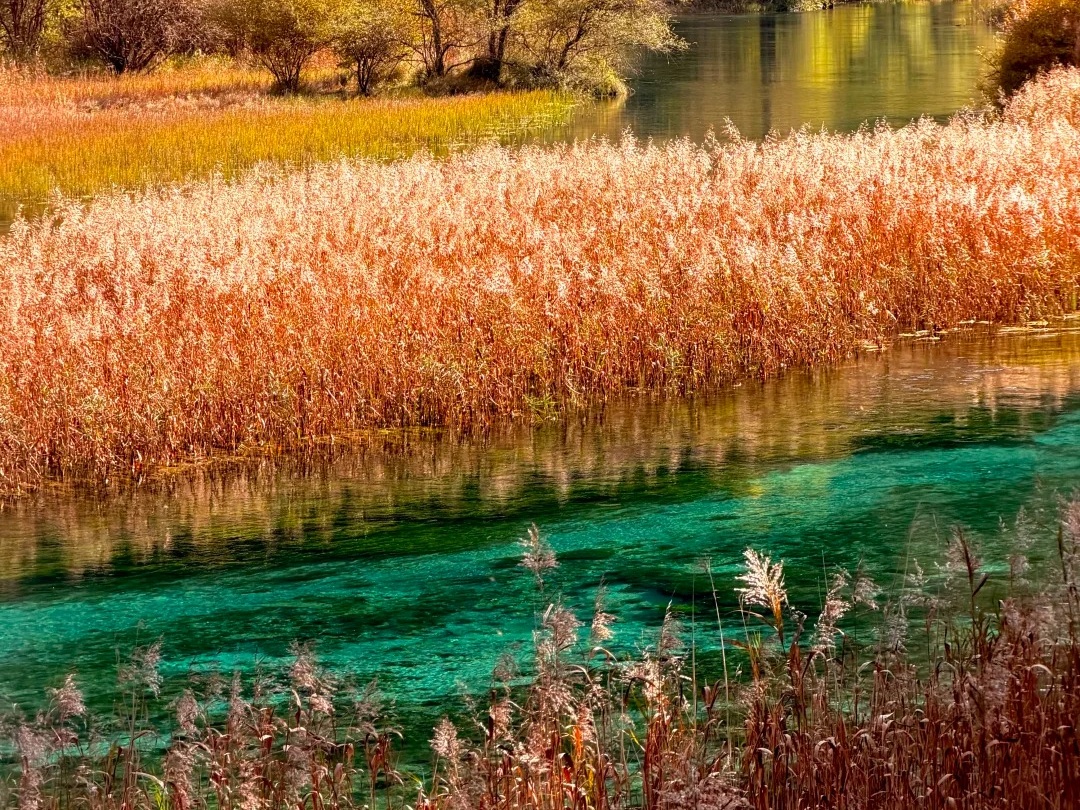
PHOTO 01 · Jiuzhaigou Late Autumn Lakes and Forests · 1400 × 800
Jiuzhaigou is appealing in early November because its clear blue-green lakes can still be edged with gold, orange and red foliage. Around Five Flower Lake, Mirror Lake and the Shuzheng lakes, water and forest make the scenery more varied than a simple mountain-leaf viewpoint. The colors are often more subdued later in the month; that is part of the seasonal transition rather than a reason to expect an identical view throughout November.
The main planning issue is not the distance from Chengdu alone. Some scenic paths and viewing areas may undergo seasonal ecological rest or winter safety closures, particularly from around mid-November. The official 2025 season began partial rotations on November 16, but the dates, open routes, capacity and fares for your actual travel year must be checked through the scenic area, not copied automatically from last year.
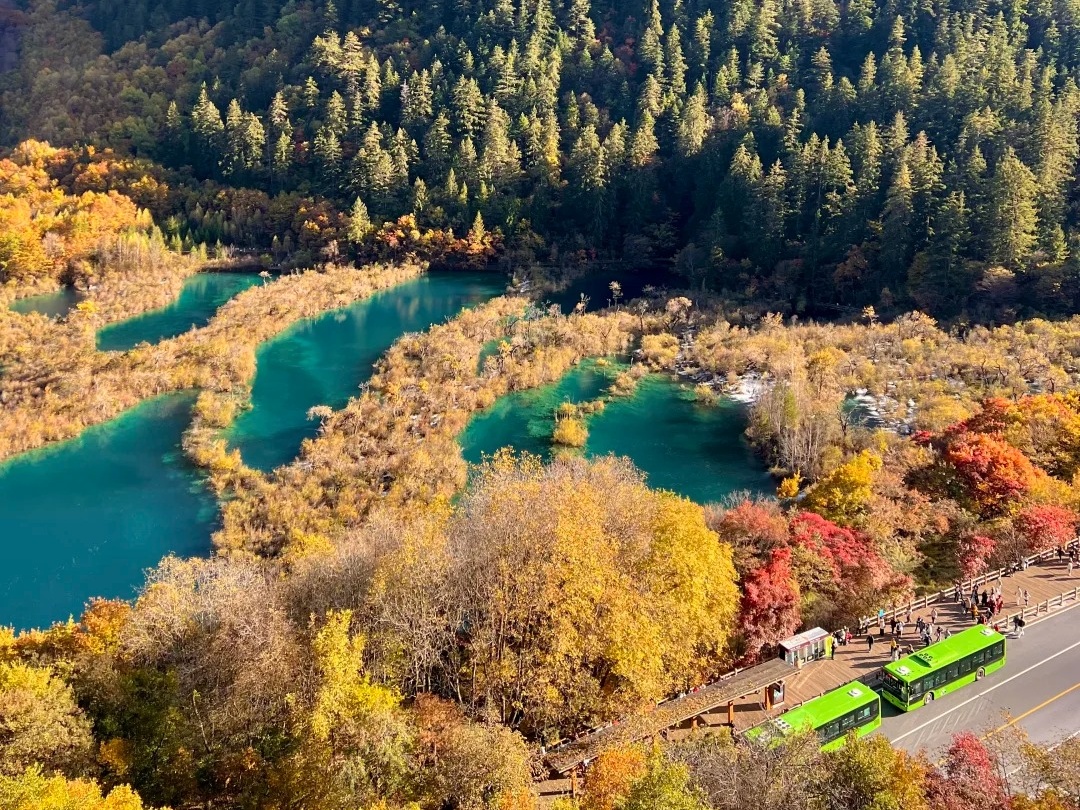
PHOTO 02 · Jiuzhaigou Late Autumn to Early Winter · 1200 × 800
For access, separate three steps: rail arrival at Huanglongjiuzhai Station or another suitable station; onward road transfer toward Jiuzhaigou; and your overnight base around the scenic entrance or an appropriate nearby hotel area. The railway station is not at the entrance to Jiuzhaigou. Confirm the timetable and connection before choosing a hotel.
Before booking, check the current seasonal route notice. A dedicated Jiuzhaigou in November travel guide will explain the specific open areas and last-mile connections in greater detail.
Chengdu and Chongqing are a strong November choice for travelers who want local culture and food without organizing their holiday around one brief color window. Chengdu offers the Giant Panda Base, People’s Park, Heming Teahouse, neighborhood restaurants and slower afternoons. Cooler weather often makes city walking easier than in midsummer, although grey skies and rain are possible.
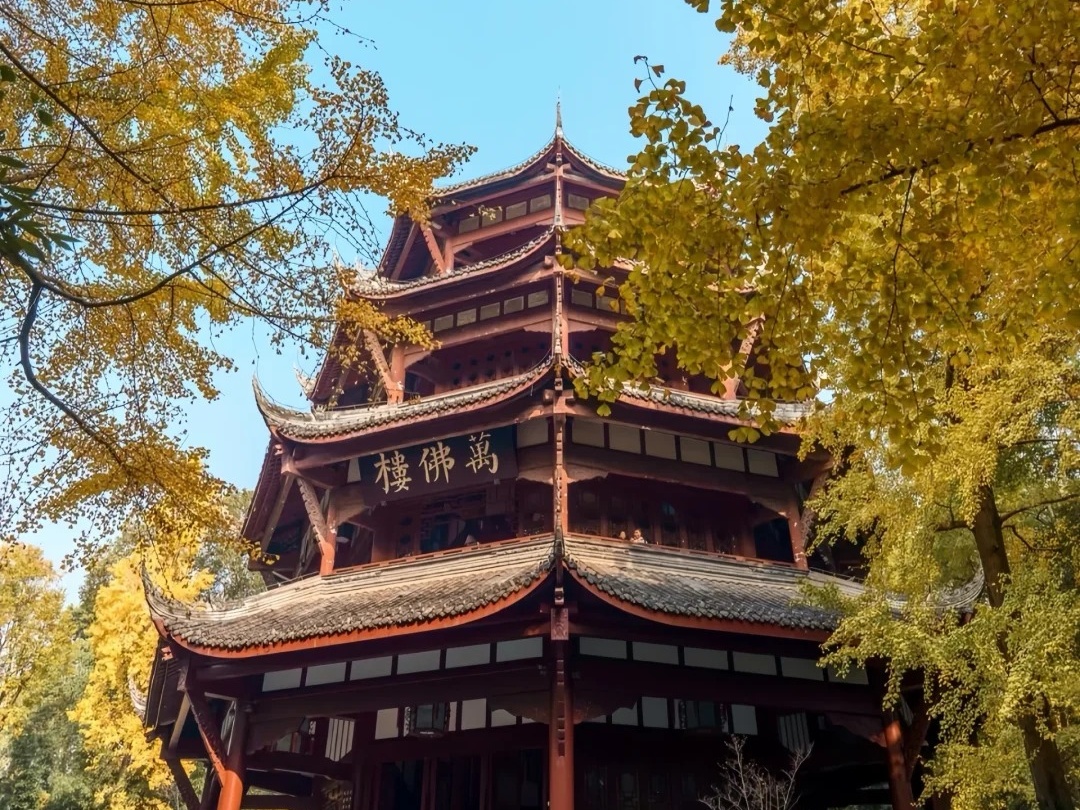
PHOTO 06 · Chengdu Teahouse or Autumn Ginkgo · 1000 × 750
In Chongqing, the appeal is different: steep streets, buildings layered above the rivers, Liziba Station, the historic Shibati area and illuminated riverfront districts. If adding Wulong, treat it as a separate outing with its own mountain weather and road travel, not as a quick stop on a downtown evening walk.
High-speed rail makes the two cities a practical regional pairing. For a family trip, use two hotel bases rather than checking in and out repeatedly. Street food, teahouses and neighborhood life remain rewarding even if the ginkgo trees have not reached the color seen in online photos.
Beijing is a useful first-time destination because the Forbidden City, hutong neighborhoods and the Great Wall are worthwhile whether or not the foliage is still at its best. In early November, yellow ginkgo trees can add color to traditional park walks, especially around places such as Ditan Park. Later in the month, bare trees and colder winds become more likely.
Avoid planning the entire visit around a particular photograph of golden streets. Individual ginkgo trees change at different times and wind can remove leaves quickly. Treat the park colors as a welcome addition to a cultural route rather than a guaranteed event. At the Great Wall, carry a warm wind-resistant layer; exposed ridges can feel much colder than sheltered city streets.
Reserve major museums and attractions according to their current official admission arrangements. Leave a full day for a Great Wall excursion and avoid trying to combine it with a crowded central-Beijing sightseeing schedule.
Qixia Mountain is one of the most recognizable late-autumn scenery choices in eastern China. Its hillside paths pass deciduous trees, historic structures and temple precincts, creating a more immersive forest walk than a roadside photo stop. During a good autumn season, different maple varieties turn scarlet and russet at slightly different speeds.
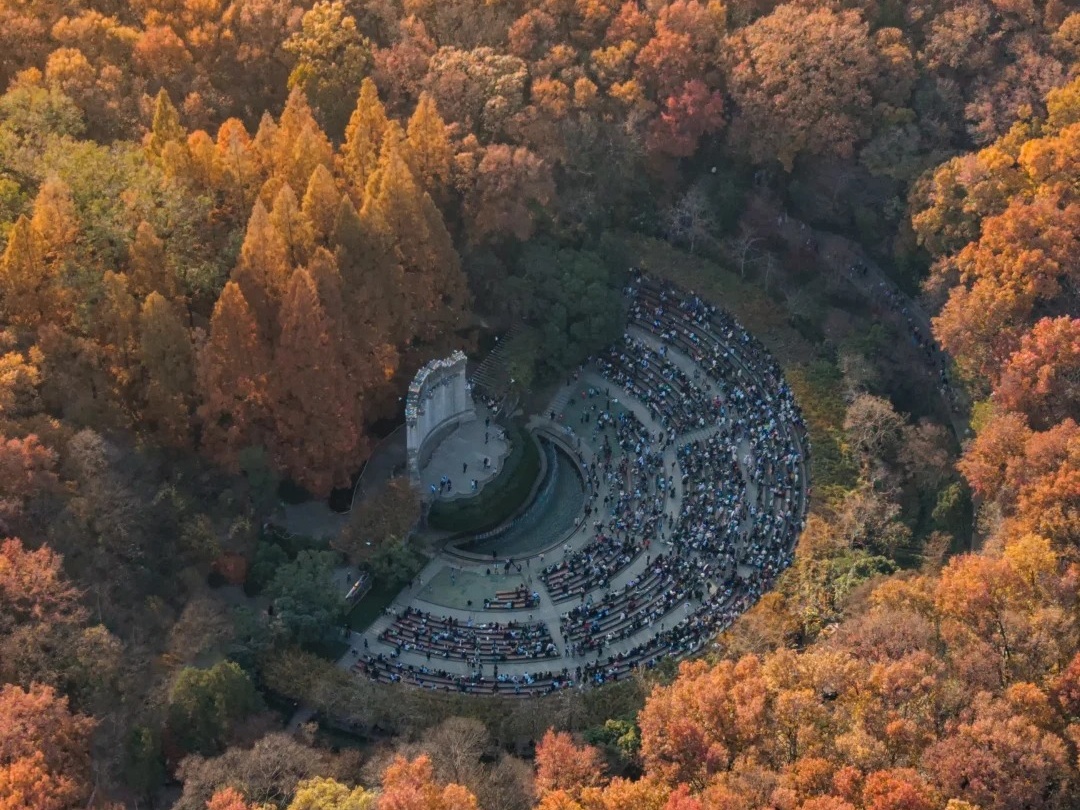
PHOTO 03 · Nanjing Qixia Mountain Red Maples · 1200 × 800
A mid-to-late November visit is often worth watching closely. For example, local authorities forecast the stronger phase of Qixia Mountain’s 2025 maple colors for that period. However, those forecasts cannot guarantee the same dates in 2026 or another year. Check the current foliage bulletin and plan enough time to walk the site rather than just visiting one crowded viewpoint.
Nanjing also has the Sun Yat-sen Mausoleum area, city walls and museums, making it a practical addition to a Shanghai-based journey. It is a major rail hub, but the scenic mountain still requires local transport from the station or hotel.
For travelers who enjoy architecture and quiet detail, Suzhou offers classical gardens, canals and the changing leaves of Tianping Mountain. Red maples are the main seasonal highlight at Tianping Mountain, but the time at which the trees reach their best color varies. A scenic outing can be combined with the Humble Administrator’s Garden or other city attractions on separate half days.
Suzhou’s seasonal event transport can change on busy weekends. In 2025, a temporary metro-to-scenic-area shuttle operated during the maple season, but do not assume the exact route will return unchanged. Use the current city transport notice and allow more time for the last leg from Suzhou’s rail station.
Hangzhou offers a different pace around West Lake, lakeside walking routes and nearby tea-growing landscapes. November can bring attractive warm foliage, but it is not the spring tea-harvest season. Together, Suzhou and Hangzhou offer a culture-focused trip that works even when the leaves are past peak.
If deciding between two red-leaf cities, compare Nanjing and Suzhou in autumn before setting up the itinerary.
The Wuyuan of November is not the rapeseed-field destination many visitors know from spring. Around Shicheng Village, tall old maple trees rise above whitewashed houses and dark roofs. The contrast is especially memorable when the hills catch the first sunlight. Mist may drift through the village in suitable conditions, but a photographed sea of cloud is never something you can reserve.
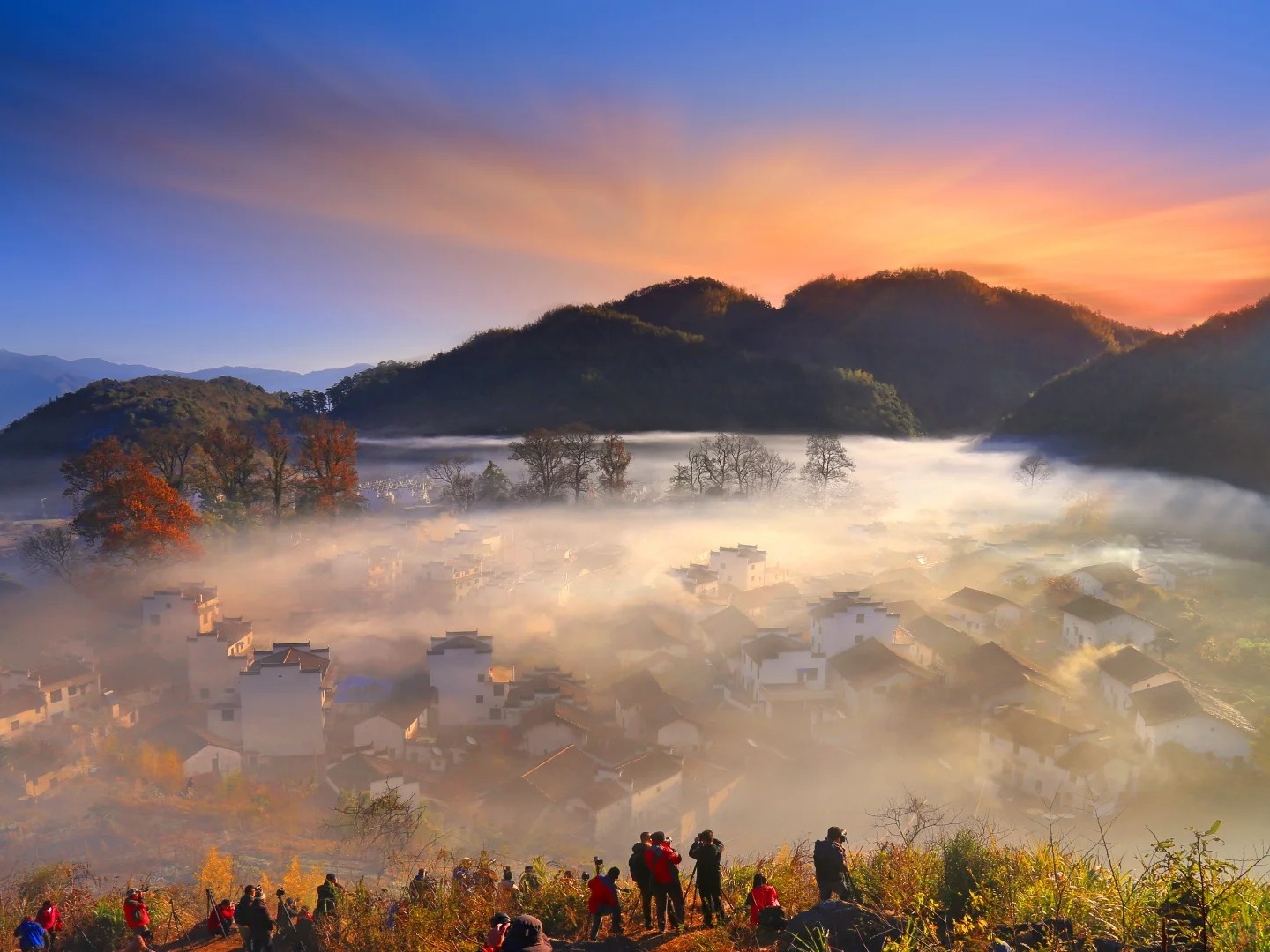
PHOTO 04 · Wuyuan Shicheng Maples and Village · 1200 × 800
Shicheng is best approached as a countryside stay rather than a hurried stop after a high-speed train. Arrive in the Wuyuan area, arrange the transfer to the village and consider sleeping nearby if an early morning is important. Paths and viewpoints may be busy with photographers, and access from the railway station takes extra time.
A November day can also include other village or cultural stops, but avoid placing several distant rural areas into a single short afternoon. This is a destination for slow observation—old trees, vernacular houses and morning light—not just a checklist of named attractions.
In Jiangdong Ginkgo Village near Tengchong, golden leaves fall around traditional houses, courtyards and small lanes. The experience is different from a manicured city park: the trees stand inside a working village where ordinary daily life continues beneath the autumn canopy. For photographers, the village is as much about small human-scale scenes as broad landscapes.
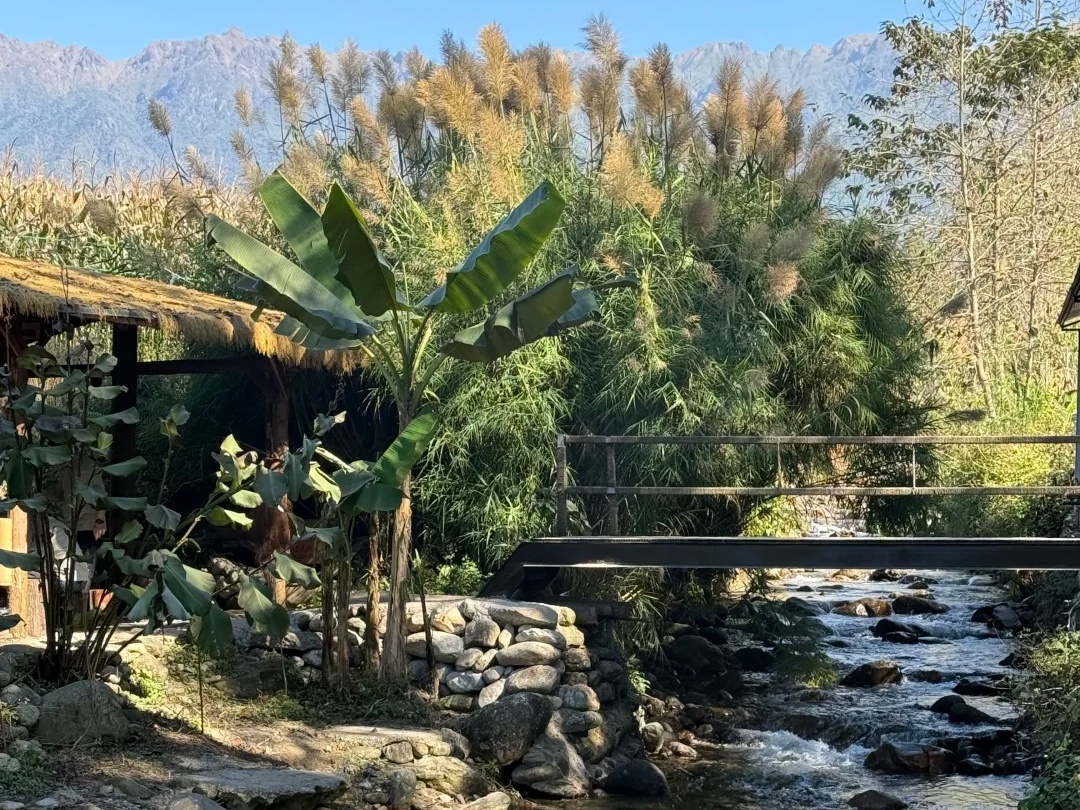
PHOTO 05 · Tengchong Jiangdong Ginkgo Village · 1200 × 800
Late November is often an appealing starting point. A November 2025 report from Xinhua documented yellow-leaf viewing in Jiangdong Village, but trees respond to weather differently each year. Overnighting in Tengchong can allow a quieter visit when organized day-trip traffic is lower. Other nearby natural and cultural places may be added only if transport times make sense.
Tengchong sits in western Yunnan, not on the same short rail corridor as Kunming, Dali and Lijiang. Plan a road transfer or an available flight that fits your date; do not assume a convenient high-speed train stops at the village. Keep this distinction in mind when building a longer Yunnan route.
Go deeper with a dedicated Tengchong Ginkgo Village guide for local routes and accommodation decisions.
Dali and Lijiang suit travelers who want a longer stay in Yunnan rather than one narrow foliage window. Around Dali, enjoy Erhai Lake, Bai cultural heritage and old-town streets. Around Lijiang, explore Naxi cultural traditions, canals and a historic townscape, with optional outings toward Jade Dragon Snow Mountain if weather and access permit.
Their main attraction in November is the combination of sunny spells, cultural neighborhoods and varied landscapes. Do not interpret “Yunnan in November” as one temperature: the evening air in Lijiang and at mountain elevations can be much colder than in lower parts of the province. Bring a jacket even when the daytime forecast looks mild.
Use train or road services to connect Dali and Lijiang after checking the current departure and arrival stations. Four or five days allow enough time to avoid treating each town as a single-night stop. If reaching Tengchong as well, reserve a substantial separate transfer day.
Xishuangbanna is a much warmer-feeling choice than northern China or Yunnan’s highland towns. Around Jinghong, travelers can explore Dai cultural traditions, local food, markets and landscapes rich in tropical vegetation. The Xishuangbanna Tropical Botanical Garden is an option for visitors interested in regional plants and shaded walks.
November generally marks a transition toward a drier season, making sightseeing more comfortable than during periods of persistent humid rain. However, occasional showers remain possible, and the city, forest and surrounding countryside can feel different during the same day. Pack light clothes with a thin outer layer and comfortable walking shoes.
Choose Xishuangbanna if warm-weather culture and tropical scenery matter more than red maples or snow mountains. It is not a substitute for the golden ginkgo displays at Tengchong: the two destinations have different landscapes and travel logistics.
If your priority is an easygoing coastal break rather than autumn foliage, Sanya in southern Hainan offers warm sea air, beaches, bays and relaxed evenings. Yalong Bay, Sanya Bay and the surrounding coast appeal to different travelers: some prefer a beach-oriented hotel, while others want urban food, waterfront walks and access to cultural places.
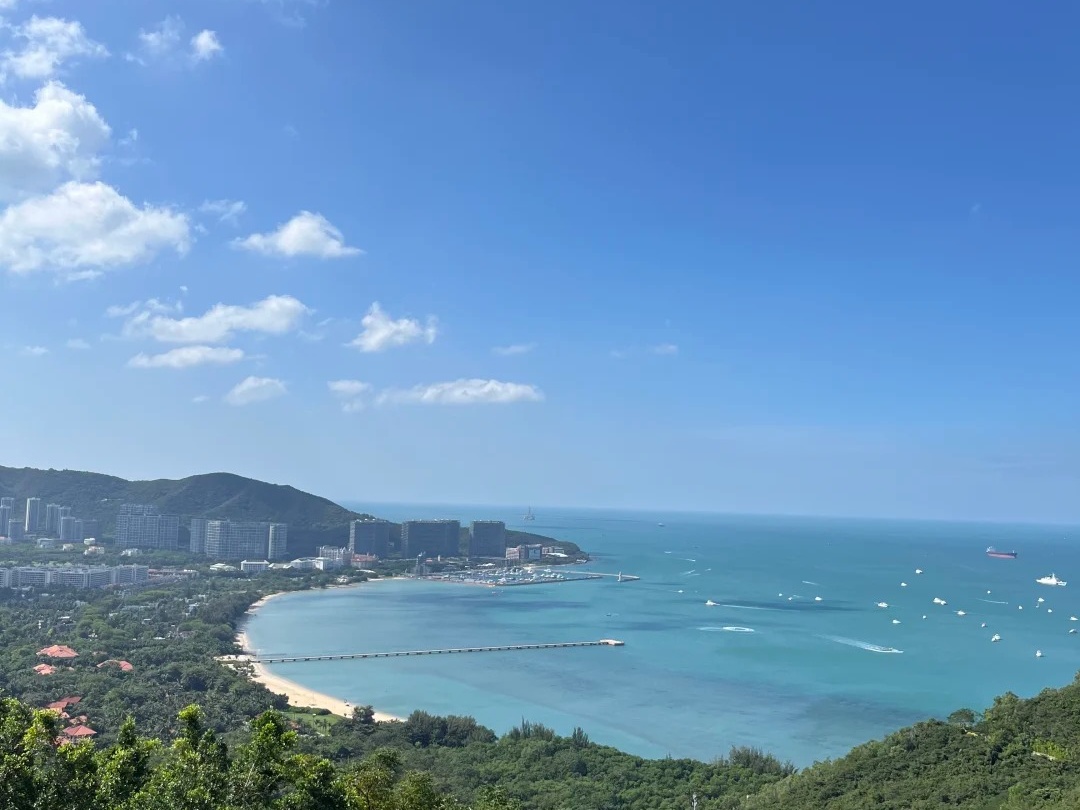
PHOTO 07 · Sanya Warm Coast in November · 1200 × 800
The climate is unlike November in Beijing or Nanjing. Sanya’s tourism authority describes autumn as a comparatively comfortable time for coastal travel, but conditions at sea can still change and boat or water activities depend on weather and the provider’s operating rules. A hotel’s location matters: a remote bay may be peaceful but require longer transfers to city attractions.
Do not automatically assume the quietest hotels are the most convenient. Families and first-time visitors should compare beach access, restaurants, transport and whether they actually intend to spend most of the day at the hotel. Sanya is best kept as a dedicated southern break rather than an extra night attached to a distant northern itinerary.
Start with Jiuzhaigou if late-autumn forest color is your priority and the official route is operating. Beijing is useful for ginkgo walks while keeping major historical attractions as the core of the trip. Chengdu and Chongqing are reliable choices for food and urban culture even when foliage is inconsistent.
Watch reports from Nanjing’s Qixia Mountain and Suzhou’s Tianping Mountain. This can be a rewarding period for deeper reds in eastern China, but color peaks can move after a warm or stormy spell. For Jiuzhaigou, check whether seasonal closures have begun before finalizing any scenic-area day.
Wuyuan Shicheng and Tengchong Ginkgo Village are good places to watch for late foliage. Sanya and Xishuangbanna suit travelers who want a more predictable warm-weather theme rather than a promise of red leaves. Southern choices also work for families who prefer short walks and fewer layers.
November foliage works best when you distinguish the tree and landscape, not just the word “autumn.” Ginkgo can create a brief bright-yellow canopy and a carpet of fallen leaves. Maples often build gradually from orange to red. Mountain mixed forests offer a broader palette but may turn earlier at higher elevation. A single temperature swing can change the schedule.
Follow the leaves, not last year’s calendar.
Mountain forest color: Jiuzhaigou — focus first on early November and current access rules.
City ginkgo: Beijing — more useful earlier in the month, before cold winds remove the leaves.
Red maples: Nanjing, Suzhou and Wuyuan Shicheng — often more appealing later in November.
Village ginkgo: Tengchong — monitor late-November updates from western Yunnan.
Local foliage reports and photographs taken that week are more valuable than an undated “best month” claim.
For a leaf-focused trip, spend two nights near one important destination rather than rushing between distant sites. A foggy morning or a late color peak becomes easier to work around when the schedule has breathing room.
Cool mornings, colder evenings and occasional wind call for an insulated layer. In late November, treat outdoor sightseeing as early-winter travel rather than a gentle autumn stroll.
Expect changeable temperatures and possible drizzle. A warm layer, water-resistant outerwear and comfortable shoes are helpful for gardens, stone paths and mountain-maple walks. Some coastal or river cities can feel damp even when temperatures are not extremely low.
Chengdu and Chongqing generally allow city sightseeing with moderate layers. Jiuzhaigou is at a very different elevation and may have frost, ice and seasonally limited trails. Pack specifically for the mountain day, not simply for the Chengdu forecast.
Yunnan’s highland towns can have large day-to-night changes; Tengchong may be sunny by day and cool at night. Xishuangbanna and Sanya are warmer overall, with sun protection and occasional rain gear more relevant than heavy winter clothing.
For a broader year-round comparison, compare the best time to visit China.
It is possible to travel in China in November without building your holiday around jackets and red leaves. Xishuangbanna is best for tropical vegetation, Dai cultural experiences and local markets. Sanya is best for sea views, warm coastal walks and a resort-oriented pace. These are different trip styles, not interchangeable “warm spots.”
Dali and Lijiang can feel comfortable under the sun, but their higher elevation means cold nights remain a real possibility. If your priority is genuinely warm evenings, do not assume “Yunnan” as a whole is equivalent to southern Hainan.
For families, choose lodging in the area where most activities happen. A beautiful distant hotel can become inconvenient when every meal or excursion requires a long car journey.
Pick a purpose, then choose a region.
Blue lakes + last autumn color: Jiuzhaigou in early November, subject to official access notices.
Maple scenery + classical culture: Nanjing, Suzhou or Wuyuan Shicheng later in the month.
Golden village leaves: Tengchong Ginkgo Village, with a realistic road transfer.
First-time culture and food: Chengdu and Chongqing or Beijing.
More relaxed highland travel: Dali and Lijiang.
Warm southern trip: Xishuangbanna for tropical culture; Sanya for the coast.
For children and older family members, minimize hotel changes and exposed walking time before trying to minimize the cost of each transfer. For photographers, prefer one overnight stay near the best light rather than two distant scenic areas in a single day.
Day 1: Arrive in Chengdu, check into the hotel and enjoy an easy neighborhood dinner.
Day 2: Visit the Giant Panda Base in the morning, then People’s Park and a Chengdu teahouse.
Day 3: Explore Chengdu’s cultural areas before taking a high-speed train to Chongqing.
Day 4: See Liziba, the historic Shibati area and the riverside skyline after dark.
Day 5: Allow a slower morning before leaving Chongqing.
This route suits November throughout the month because its principal attractions do not depend on the exact timing of autumn foliage.
Day 1: Arrive in Shanghai, settle in and walk around the Bund area.
Day 2: Enjoy a full day in Shanghai’s historic and modern neighborhoods.
Day 3: Take a train to Nanjing and explore the city’s cultural sites.
Day 4: Spend time at Qixia Mountain, allowing for the local transfer and hillside walk.
Day 5: Travel by rail to Suzhou and visit a classical garden.
Day 6: Explore Tianping Mountain for maples or substitute a city-cultural day if the leaves have fallen.
Day 7: Return to Shanghai for departure, leaving sufficient station-to-airport time.
Best considered for mid-to-late November, with Qixia Mountain and Tianping Mountain dates adjusted against current foliage reports.
Day 1: Arrive in Kunming and recover from travel.
Day 2: Travel to Dali, check in and explore the old town at an easy pace.
Days 3–4: Enjoy Erhai Lake, Bai cultural neighborhoods and unhurried countryside time.
Day 5: Travel to Lijiang and explore the old town.
Days 6–7: Discover Lijiang’s cultural areas and optional nearby mountain scenery subject to conditions.
Day 8: Reserve a substantial transfer day to Tengchong; select a workable road/flight connection based on actual schedules.
Day 9: Visit Jiangdong Ginkgo Village, with time for a nearby local experience if practical.
Day 10: Depart from Tengchong by a suitable onward connection.
This ten-day plan is deliberately slower than a cross-country foliage chase. The Lijiang–Tengchong transfer is a major planning decision, and may involve a long road day or a connection that must be verified before tickets are purchased.
If your priority is Jiuzhaigou instead, plan a separate Chengdu-based three- or four-day mountain journey. Do not insert it into the Shanghai–Nanjing–Suzhou or Yunnan routes merely to collect another destination.
For mountain areas such as Jiuzhaigou, use the official park announcement for your actual dates. Confirm what is open, whether your intended trail is available, ticket-reservation requirements and winter transport. A previous year’s closing or price notice is useful context, not a current guarantee.
China’s major museums and scenic areas may use different identity verification and reservation systems. Check whether foreign passports can be used online and keep your booking information and original travel document accessible.
A rail ticket may get you to Nanjing, Suzhou or Wuyuan efficiently, but the final road transfer to a mountain or village is part of the journey. In western Sichuan and western Yunnan, the last leg may be the longest. Read Getting Around China for choosing between train, road transfer and city transport.
Large cities have multiple terminals and stations; a place name alone is not enough for a pickup. Save the exact station in Chinese, your hotel address and the passport details used for booking. Our China Train Guide covers the wider process for international visitors.
A fleece or warm coat may be essential at Jiuzhaigou or during a windy northern outing; the same item is unnecessary for a sunny Sanya afternoon. Build a layered packing list based on the highest and coldest location on your route.
Do not schedule a remote sunrise viewpoint immediately after an international flight, and do not plan a long mountain road transfer just before an outbound flight. Allow time for weather, station changes and check-in procedures.
Before arrival, check applicable entry rules, mobile data, payment options and Chinese hotel addresses. You do not need to master every travel app. For these essentials, start with First Trip to China.
Yes. It is especially rewarding for late-autumn foliage, cultural city trips and warmer southern breaks. The best location changes from early to late November.
Look at Jiuzhaigou and Beijing earlier in the month, then Nanjing, Suzhou, Wuyuan Shicheng and Tengchong as the month progresses. Local foliage reports matter more than fixed dates.
Often yes for lakes and autumn-to-winter scenery, particularly in early November. However, some scenic areas may be seasonally unavailable later in the month. Check official park notices for the year you travel.
Do not assume it does. Past seasons have used partial ecological rest arrangements rather than a blanket closure. The specific open routes, dates and booking rules must come from current official notices.
Early November can be suitable for cultural sightseeing with a warm jacket. Late November is colder and can be windy, especially at exposed Great Wall sections.
Mid-to-late November is often a useful planning window, but golden leaves develop and fall according to the year’s weather. Check fresh local photographs before departure.
Both seasons have appeal but different scenery: spring is associated with rapeseed fields, while late November focuses on maple trees and villages around Shicheng.
Sanya and Xishuangbanna are strong choices for warmer weather. Dali and Lijiang can have sunny days but distinctly cooler nights because of elevation.
Yes. Their rail links and complementary cultures make a practical four-to-six-day city combination, without relying on a leaf peak.
It depends on the region. Eastern cities may have cool rain, while southern tropical areas have a different seasonal pattern. Check the actual regional forecast rather than a China-wide average.
Some attractions require reservations or passport verification while others do not. Check the official process for each specific museum or scenic area.
Five days work for a compact city pair; seven days for an eastern-China corridor; ten days for a more varied Yunnan regional route with honest transfer time.
The strongest November journeys do not try to see every color in one week. They match a particular part of the month to a region: early lakes and ginkgo, later maple forests and village gold, or the steady appeal of cultural cities and tropical coasts. Once the destination is chosen, the route should work from the arrival station to the actual hotel and scenic entrance.
Check current conditions, protect one or two unhurried days, and allow autumn to be different from the pictures taken last year. A well-planned journey should remain enjoyable even if the leaves change a few days earlier or later.

NACAYO TRAVEL
China-Based Local Travel Specialists
Nacayo Travel helps international visitors plan private journeys across China, including choosing destinations, shaping realistic itineraries, and coordinating local transport, accommodation and travel arrangements where appropriate.
Tailor-Made Travel | Private Tours | Local Experiences
TRUST FIRST. FUN FOLLOWS.
Discuss Your China November Journey →