


Nacayo
旅游攻略
July brings open grasslands, alpine lakes, golden rapeseed fields at high elevations and full summer waterfalls. But it also brings intense heat in many lowland cities, school-holiday demand and a higher chance of rain in several mountain and southern regions. The most rewarding July trip is not necessarily the one with the most famous attractions.
From Jiuzhaigou’s turquoise water and Mount Siguniang’s green valleys to Qinghai’s yellow fields, Xinjiang’s summer pastures and Hulunbuir’s grasslands, choose a route that matches your weather tolerance, travel dates and transfer time. Mountain scenery can be cooler than Chengdu or Chongqing, but higher altitude does not mean risk-free weather.
Think mountains and grasslands — then plan around rain and crowds.
EARLY JULY — Jiuzhaigou, Mount Siguniang, Ili’s grasslands and Shangri-La can make appealing nature trips. Qinghai’s flower fields may still be developing.
MID-JULY — Menyuan’s rapeseed landscapes, Qinghai Lake, Hulunbuir and Ili are strong seasonal choices; popular scenic areas are also entering peak family-travel demand.
LATE JULY — Look toward northern grasslands, mature plateau summer scenery and green valleys, but allow more flexibility for heavy rain and traffic on mountain routes.
July is not an all-China escape from heat. If your itinerary includes Chengdu, Chongqing, Beijing or Shanghai, plan early outdoor sightseeing and indoor breaks.
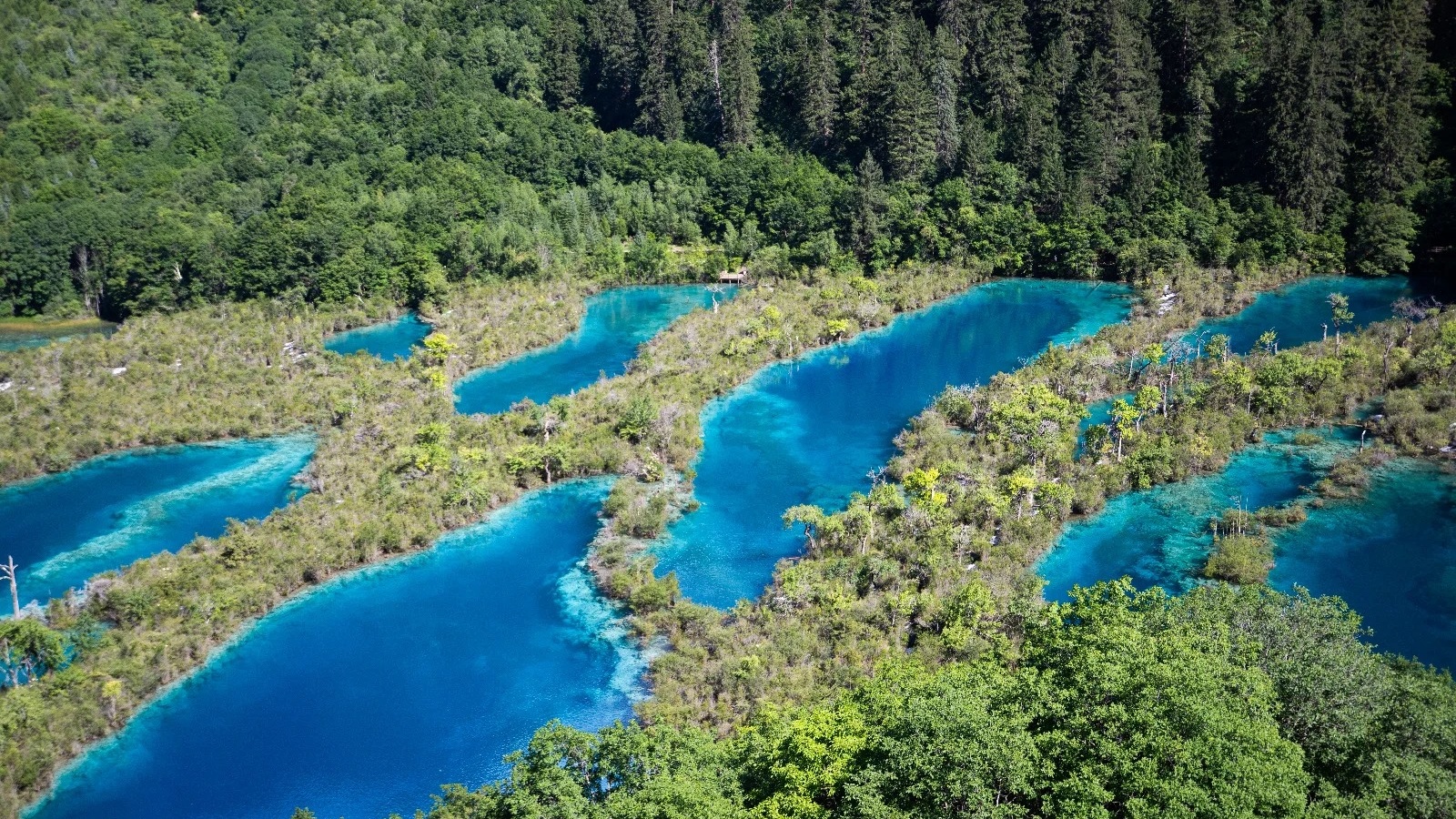 PHOTO 01 · Jiuzhaigou Summer Lakes and Green Forests · 1400 × 800
In July, Jiuzhaigou has a quieter palette than its famous autumn photographs: deep green forest, bright turquoise lakes, white waterfalls and shifting mountain clouds. Five Flower Lake reveals extraordinary water color and submerged shapes; Nuorilang Waterfall offers a different, more powerful experience. A full sightseeing day is better than trying to squeeze the valley between two long transfers.
Nearby Huanglong is a separate scenic area with naturally formed travertine pools at higher altitude. Its elevation, weather and walking conditions differ from Jiuzhaigou. The two places work well as part of the same multi-day journey, but you should not assume they share an entrance or can be visited as one compact stop.
A train station is not the scenic-area gate.
RAILWAY STATION — Check whether your service arrives at Huanglongjiuzhai or Songpan. Neither is the Jiuzhaigou park entrance.
ROAD TRANSFER — Confirm the current station-to-Jiuzhaigou or station-to-Huanglong coach or private transfer, including its final departure time.
HOTEL AREA — If visiting Jiuzhaigou the next morning, consider accommodation near the scenic-area entrance rather than assuming the station town is equivalent.
July brings peak crowds and sometimes intense rain. The park adjusted visiting areas after a local mudslide in July 2026 and later restored access; check current notices before departure.
For first-time international visitors, the practical itinerary usually begins in Chengdu, then uses a suitable rail-and-road combination or a carefully planned road journey. Book entry according to the park’s current real-name system and allow contingency time. Mountain weather and entry arrangements can change; do not promise uninterrupted access to every valley.
Plan the details with Jiuzhaigou in Summer: Weather, Transport and What to See.
Mount Siguniang is a rewarding choice for the contrast between summer grasslands, streams, conifer forests and high rocky peaks. Shuangqiaogou is the easier introduction for most visitors because sightseeing transport helps connect main viewpoints. Changpinggou involves more walking and should be selected based on the group’s stamina and the latest route conditions.
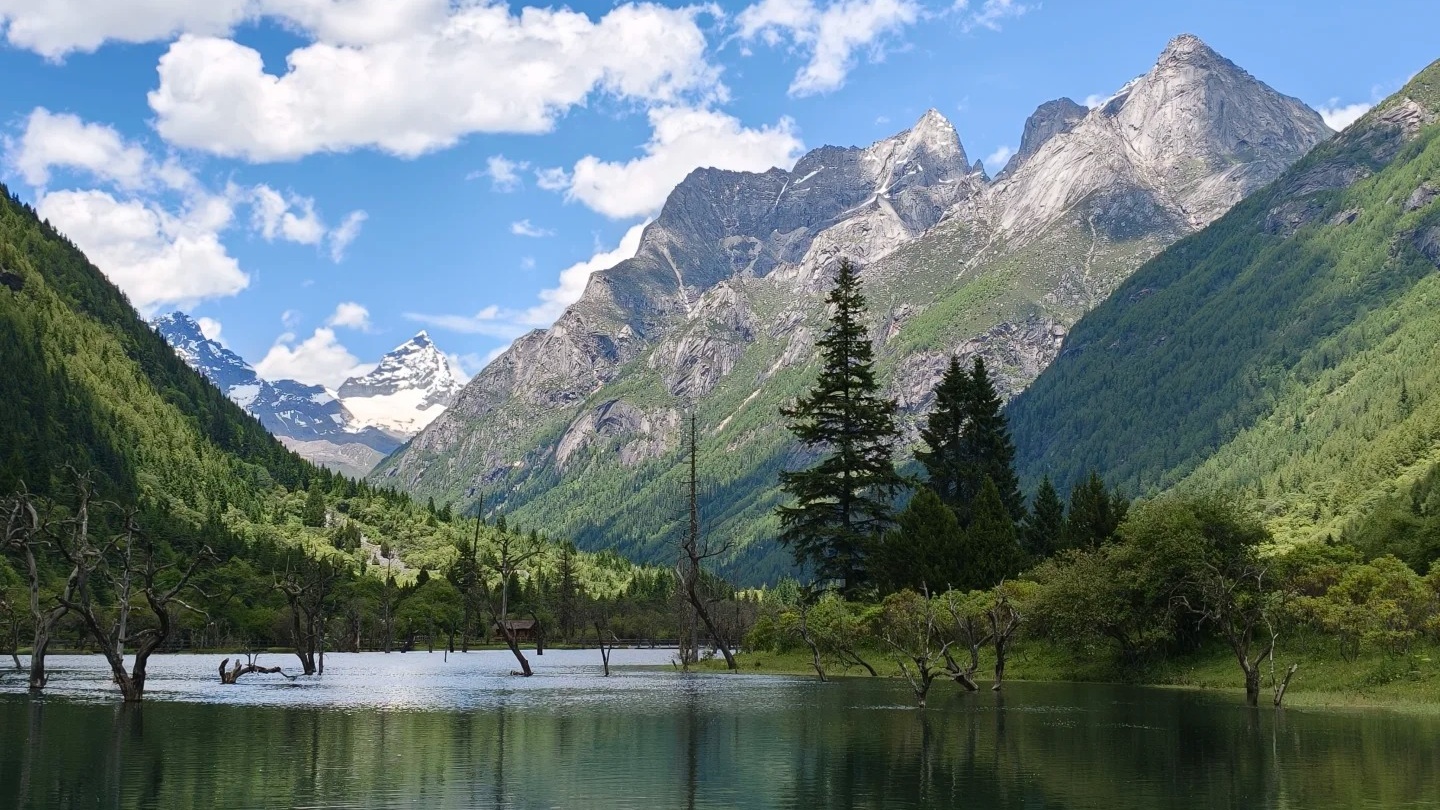
PHOTO 02 · Mount Siguniang Green Meadows and Snow Peaks · 1200 × 800
Bipenggou near Lixian adds mountain lakes, valley paths and forest scenery to a Sichuan summer journey. Some visitors combine the two destinations with the roads through the Lixian region, but that route should be checked shortly before departure. Do not treat scenic-area shuttles, mountain roads and walking time as one interchangeable travel estimate.
The important trade-off is weather and altitude. Rain, fog or temporary route restrictions can affect viewpoints and roads. A clear morning often matters more than an ambitious list of stops. For families, prioritize comfortable walks and a sensible overnight base; for active travelers, choose a trail only after confirming difficulty, elevation and access.
July is particularly meaningful for Menyuan, near the northern edge of the Qinghai–Tibet Plateau. Unlike Luoping, where flower season is often earlier in the year, Menyuan’s highland rapeseed fields are associated with midsummer. Under suitable conditions, broad yellow farmland stretches toward the Qilian Mountains, creating a wide, layered landscape.
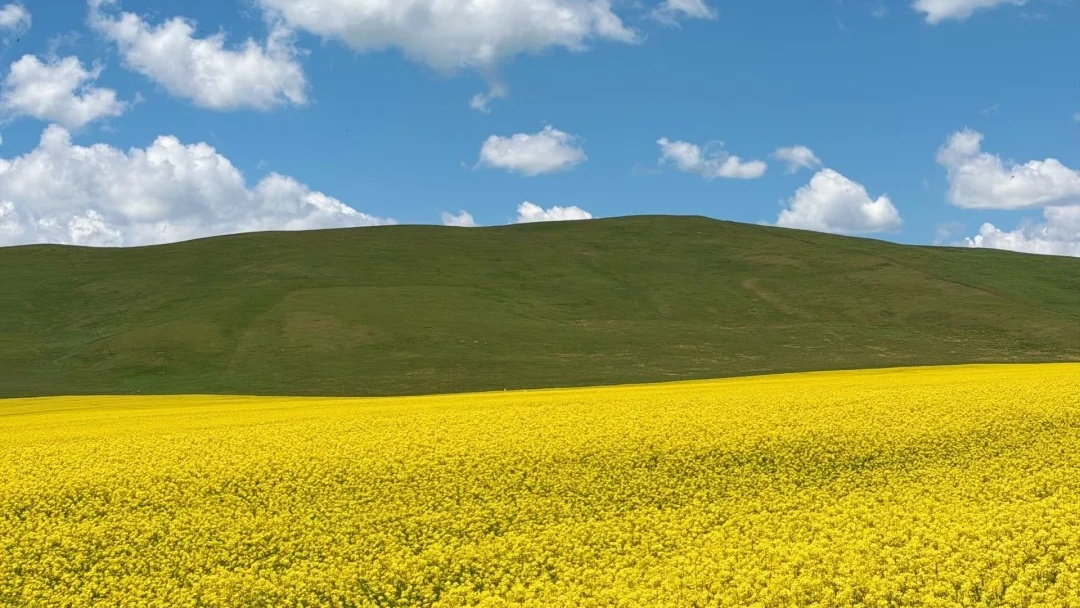
PHOTO 03 · Menyuan Rapeseed Fields and Qilian Mountains · 1200 × 800
Qinghai Lake adds large blue water, open skies and grassland scenery. The lake and Menyuan are distinct places with considerable road travel between them; a photograph of yellow flowers at Menyuan does not mean the shore of Qinghai Lake is equally covered with flowers. Some lakeside fields may also bloom in summer, but location and timing need checking.
The best time for Menyuan’s flower fields often falls around mid-to-late July, with the actual peak changing by year. The area is working farmland, so use marked paths and approved viewpoints rather than entering planted fields. High altitude can mean strong ultraviolet exposure, cool nights and rapid weather changes even during a warm afternoon.
Compare your options in Qinghai Lake and Menyuan in July: Best Stops and Flower Timing.
Ili is a natural summer choice for travelers who want open scenery rather than dense city sightseeing. Sayram Lake offers intensely blue water beneath mountain slopes, while Nalati is known for elevated grassland landscapes and summer pastures. The valley’s rivers, changing elevations and pastureland create a very different trip from the desert image often associated with Xinjiang.
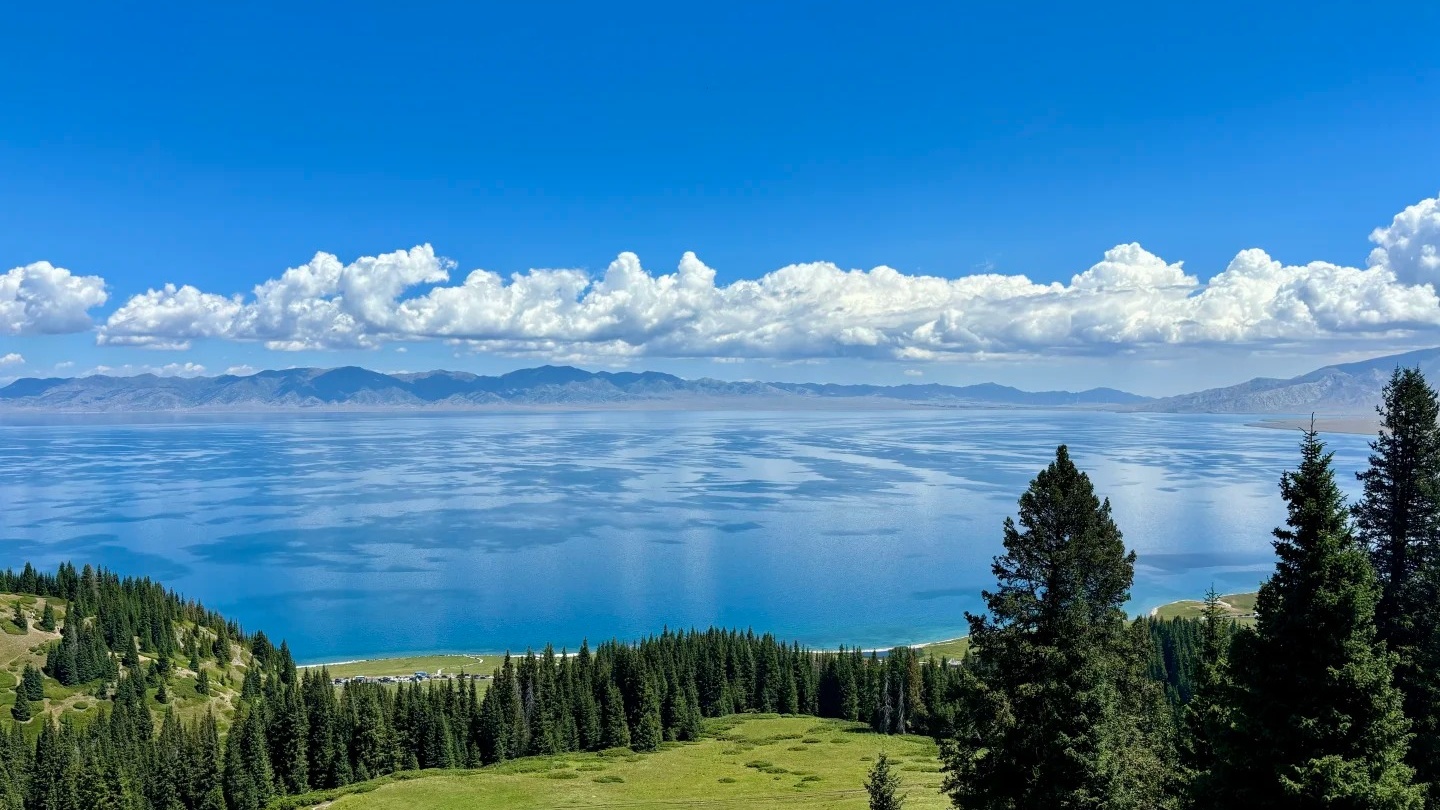
PHOTO 04 · Ili Summer Grasslands and Sayram Lake · 1200 × 800
Do not use June lavender photographs to promise fields of purple in July. Huocheng lavender may be harvested during summer, and the display depends on the agricultural schedule. In July, the stronger itinerary usually focuses on lakes, grasslands, local culture and mountain views rather than one particular crop.
A regional route needs realistic road days. Distant grassland scenic areas cannot be treated like metro stops in the same city. Duku Highway or other mountain roads may be attractive detours when open, but opening dates, vehicle restrictions and weather closures can change. Build a route that works even if a seasonal pass is unavailable.
Explore a dedicated route in Ili in July: Sayram Lake, Nalati and a Practical Summer Route.
If the image in your mind is a wide green horizon, Hulunbuir is one of the clearest July choices. The grassland around Chen Barag and the roads toward Erguna offer open pasture, winding river views and a different sense of space from China’s mountainous southwest.
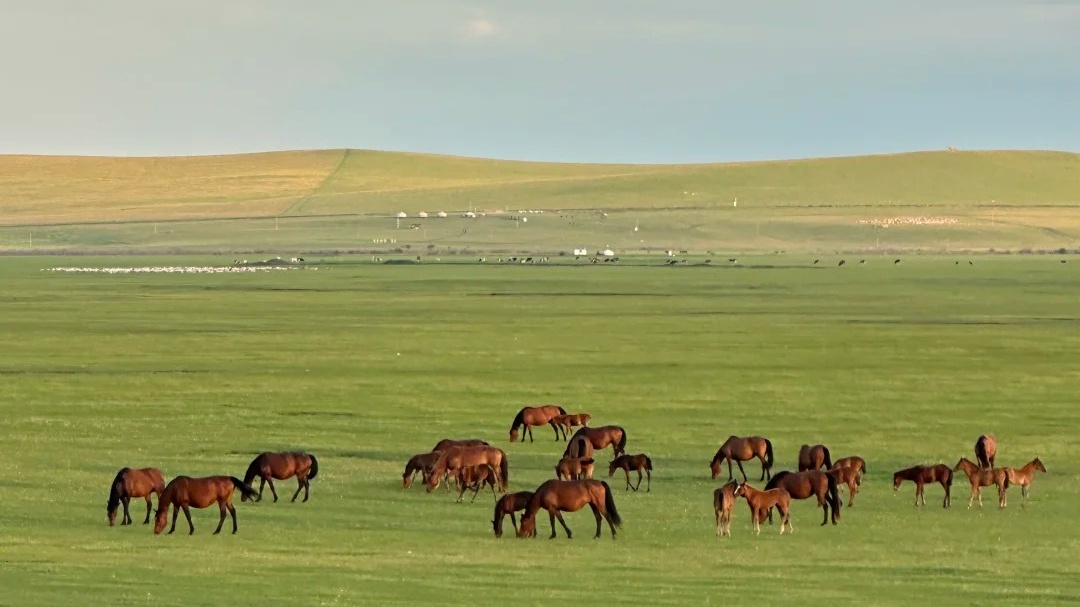
PHOTO 05 · Hulunbuir Green Grasslands and Erguna River · 1200 × 800
A good journey is not only about taking photos through a car window. Depending on the chosen route, visitors can explore wetland viewpoints, communities and carefully selected cultural activities. Grassland riding and other outdoor activities require attention to the operator’s safety practices, weather and the visitor’s experience.
July is also a busy domestic travel period. The grass may look exceptionally green following adequate rainfall, but the weather can still be windy, changeable or wet. Choose a few overnight bases instead of returning repeatedly to the same city. If you want to add Arxan or farther borderland scenery, allow more days rather than assuming everything is nearby.
Shangri-La combines highland scenery and Tibetan cultural heritage in northwestern Yunnan. In July, alpine meadows, lakes and flower-rich grasslands can be appealing in and around Pudacuo National Park. The Songzanlin Monastery and Dukezong Old Town offer cultural stops that still make sense on days when clouds cover the mountains.
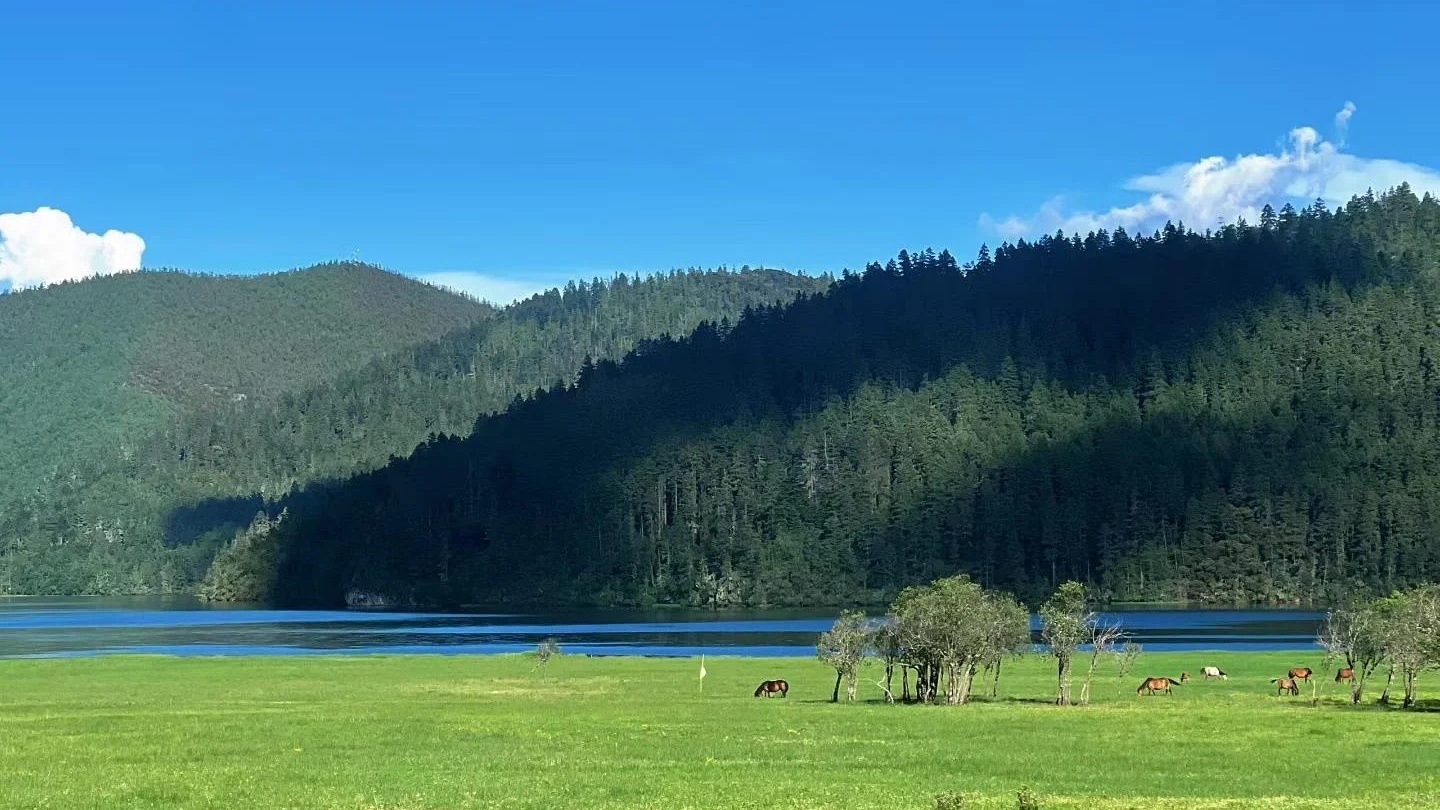
PHOTO 06 · Shangri-La Summer Meadows and Alpine Lake · 1200 × 800
July is part of Yunnan’s rainy season, so the mountains may be green but the sky is not guaranteed to be clear. Rain can make meadows vivid and equally disrupt outdoor walks. Altitude also matters: travelers arriving from lower cities may notice the elevation, and evenings are cooler than in the lowlands.
Shangri-La works best as a separate regional journey paired with Lijiang or other northwestern Yunnan stops, rather than an extra overnight on a Sichuan itinerary. Give a day to a park or cultural site instead of planning all major sights in one hurried afternoon.
Huangguoshu Waterfall is one of Guizhou’s most iconic summer landscapes. Seasonal rain can increase the force of the main waterfall and bring more energy to the surrounding streams. Tianxingqiao adds karst scenery and walkable sections; farther away, Libo offers green river landscapes and forested karst routes.
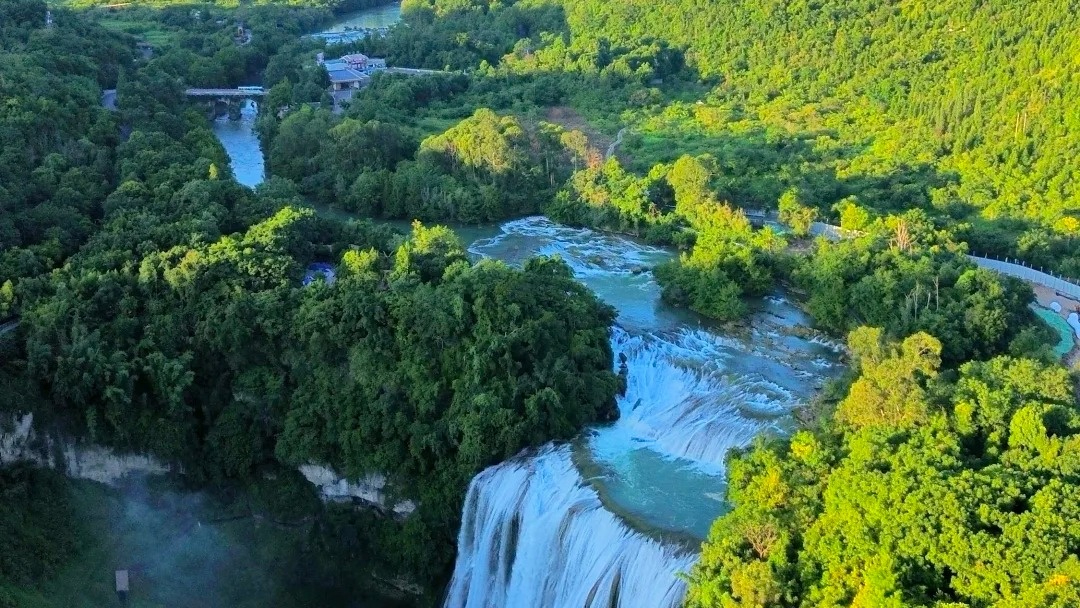
PHOTO 07 · Huangguoshu Waterfall and Lush Green Surroundings · 1200 × 800
July is not automatically the easiest month to visit. When rain is heavy, certain paths, viewing areas or outdoor activities can be restricted for safety. Visit decisions should follow the official daily notice rather than the assumption that “more rain always means better sightseeing.” Wet stone surfaces also call for shoes with reliable grip.
Guiyang is a practical city base and offers a substantial local food scene. Visitors with more days can add carefully selected minority-culture villages, but the trip should remain respectful and specific. Verify actual travel distance between Guiyang, Huangguoshu, Libo and any additional village before booking several hotel changes.
The sandstone pillars of Zhangjiajie National Forest Park become richly green in summer. Yuanjiajie and Tianzi Mountain are known for elevated views over the rock formations, while paths in lower forested valleys give a different sense of the landscape.
July clouds and mist can make the cliffs atmospheric, but dense fog can also block famous viewpoints. The best approach is to leave more than one opportunity for mountain sightseeing, rather than scheduling a single two-hour window and assuming it will be clear. Slippery paths and sudden downpours are practical concerns.
Tianmen Mountain is a separate attraction, not another stop inside the national forest park. Its ropeway, roads and popular walking routes need their own time and current booking checks. A three- or four-day visit gives most first-time travelers a better chance to experience both areas without constant rushing.
Travelers who prefer grasslands and village landscapes over crowded headline parks can consider selected routes in western Sichuan or the Gannan area of Gansu. Places such as Zoigê (Ruoergai) and Langmusi sit within broader highland landscapes of pasture, monasteries and wide skies.
July can produce green grassland scenery and cooler evenings, but the route requires more road travel than a city-based holiday. Weather, high elevation and local access conditions should guide the actual stops. Do not count on unrestricted access to every monastery, trail or remote road for every passport holder; check conditions for the precise itinerary.
This is a good choice for travelers with previous experience of long road journeys who enjoy slower scenery and culture. Families looking for short transfers and reliable indoor alternatives may find the Chengdu–Jiuzhaigou combination easier to manage.
Chengdu and Chongqing remain useful gateways and destinations in July, even though they are not sensible examples of guaranteed cool summer weather. Chengdu is rewarding for the Giant Panda Base, tea culture at places such as Heming Teahouse, neighborhood food and optional side trips to Dujiangyan.
Chongqing is a contrast of riverfront night views, steep streets, hillside neighborhoods, Liziba and places such as Shibati and Hongyadong. In July, outdoor sightseeing is generally more pleasant early or later in the day. Add air-conditioned breaks and consider rain and heat when arranging walking-heavy routes.
The cities have straightforward rail connections between them, but neither should be treated as an extension of cool highland weather. A smart plan might spend a limited number of days in the cities and reserve more days for high-elevation scenery, especially when travelers are sensitive to heat.
July is not like a single national flower festival. By the middle of the month, grasslands may be fully green while some high-elevation fields are only reaching their most photogenic stage. Weather and the summer school-break crowd can matter more than a few days on the calendar.
Jiuzhaigou, Mount Siguniang, Ili and Shangri-La are useful starting points if the trip centers on lakes, mountains and green valleys. Menyuan may not yet have its strongest continuous yellow flower display; verify recent field conditions before choosing it as the sole reason for travel.
Look toward Menyuan and Qinghai Lake, Hulunbuir, Ili’s summer pastures, Jiuzhaigou and the Yunnan highlands. This is an important period for plateau scenery and also a busier period for domestic family holidays.
Grasslands and mountain valleys can still be richly green, including Hulunbuir, Qinghai, western Sichuan and Ili. Heavy rain can affect individual mountain roads and attractions, so place flexible days around the nature highlights and check local notices close to departure.
Three July expectations worth correcting.
MENYUAN — Highland rapeseed fields often become more impressive around mid-to-late July.
ILI — The summer landscape remains attractive, but lavender fields should not be promised after harvest.
JIUZHAIGOU — The July appeal is green forest, vivid water and waterfalls — not the October foliage palette.
North and east China: Beijing, Shanghai, Hangzhou and nearby cities can be hot and humid, with summer thunderstorms and periods of heavy rain. The best part of the day for outdoor sites may be the morning, not midday. Coastal weather can also be affected by tropical systems, depending on region and year.
Sichuan Basin: Chengdu and Chongqing can be hot, humid and rainy. A city forecast from these places is a poor guide to how you should dress for Mount Siguniang or Huanglong, where nights, wind and altitude are very different.
Western Sichuan, Qinghai and northwest Yunnan: High elevations can feel cooler during the day and cold after sunset; ultraviolet exposure remains strong. Afternoon storms, fog and rain can change a trail or road plan quickly. Not every highland location is a low-effort “summer resort.”
Xinjiang and Inner Mongolia: Summers can be good for grassland and lake journeys, but do not assume all parts of a vast province or autonomous region have the same temperature. Deserts, city basins, mountain passes and grasslands behave differently.
Guizhou and Hunan: Green landscapes and summer waterfalls can coincide with rain and reduced visibility. Keep an indoor or cultural alternative and do not force a risky viewpoint visit in a storm.
For the broader calendar, read Best Time to Visit China — seasonal planning by region.
Match the route to what you want most.
BLUE-GREEN LAKES — Jiuzhaigou and Huanglong for iconic water and varied scenic viewpoints.
SNOW PEAKS & MEADOWS — Mount Siguniang, Bipenggou or Shangri-La for higher-elevation landscapes.
SUMMER FLOWER FIELDS — Menyuan’s highland rapeseed fields, with the flowering stage checked first.
OPEN GRASSLANDS — Hulunbuir or Ili for wide skies and longer regional road journeys.
WATERFALLS & KARST — Guizhou for powerful falls; Zhangjiajie for forested stone pillars.
PANDAS & LOCAL FOOD — Chengdu plus Chongqing, planned around heat and rain.
For families traveling during school holidays, it is usually better to protect the pace of each day than to increase the number of destinations. For photographers, prioritize two chances at important viewpoints. For travelers who dislike heat, choose cooler regions carefully but do not overlook altitude and transfer fatigue.
These sample routes are intentionally regional. July is not a practical month to combine Qinghai, Hulunbuir, Jiuzhaigou and Xinjiang into a short itinerary. Choose one main landscape region and spend the saved transport time enjoying it.
Day 1: Arrive in Chengdu. Recover from travel, enjoy a relaxed neighborhood or teahouse stop.
Day 2: Travel toward the Huanglong/Jiuzhaigou region using a confirmed train plus road transfer or suitable road journey. Visit Huanglong if time, weather and altitude conditions permit; otherwise rest and adjust.
Day 3: Spend a full day inside Jiuzhaigou, using the current scenic transport system and prioritizing key lake-and-waterfall sections.
Day 4: Keep a second flexible scenic morning or a relaxed return depending on weather and transport. Travel back toward Chengdu.
Day 5: Visit the Giant Panda Base or enjoy Chengdu culture before departure, subject to flight time.
Why this works: it protects a full Jiuzhaigou day and respects the separation between train stations, Huanglong and the Jiuzhaigou entrance. If the Day 2 transfer is late, move Huanglong rather than forcing a rushed visit.
Explore a fuller plan in 5-Day Chengdu, Huanglong and Jiuzhaigou Summer Itinerary.
Day 1: Arrive in Xining, settle in and allow time to adapt to elevation.
Day 2: Explore Xining or a carefully chosen nearby cultural site before a longer road leg.
Day 3: Travel to Menyuan for flower-field viewpoints if the season is suitable.
Day 4: Enjoy additional Menyuan or Qilian-side scenery, prioritizing weather and local access rather than multiple far-apart stops.
Day 5: Continue toward Qinghai Lake via a sensible route and overnight base.
Day 6: Explore selected approved lakeside viewpoints and plateau scenery.
Day 7: Return to Xining with a generous buffer before departure.
Why this works: it places Menyuan around the July flower season, avoids claiming every roadside field is in bloom and allows for altitude, long drives and weather.
Days 1–2: Arrive in Chengdu; visit pandas and explore tea culture, adjusting the order for heat.
Days 3–4: Road trip to Mount Siguniang for Shuangqiaogou and a second, more flexible mountain day.
Day 5: Use a realistic road or rail-linked transfer plan to reposition toward Jiuzhaigou; route via Chengdu or other confirmed connections if mountain roads are unsuitable.
Days 6–7: Visit Huanglong and spend a full day in Jiuzhaigou, allowing for weather and arrival timing.
Day 8: Return toward Chengdu and continue to Chongqing by a confirmed suitable connection.
Day 9: Explore Chongqing’s hillside neighborhoods, food districts and riverside evening views.
Day 10: Depart Chongqing, leaving enough airport or railway transfer time.
Why this works: it offers mountain scenery with an urban finish, but the transfer between Mount Siguniang and Jiuzhaigou must be designed from current road/rail information. Do not publish a single fixed drive-time claim for that link.
July is part of China’s school summer holiday season. Even without a nationwide week-long public holiday, many families travel during this period. Popular sites such as Jiuzhaigou, the Giant Panda Base and well-known mountain parks may require early reservations, and transport that is technically frequent can still sell out at useful times.
The most effective strategy is not to assume every destination has identical crowds. Reserve the scarce parts first: popular park entry, accommodation near a remote scenic gate, essential high-speed trains and any must-do attraction with timed admission. Leave weather-sensitive activities flexible when possible.
What matters most in a July itinerary.
PROTECT — Essential transport, park admission, hotel bases, time-sensitive scenic shuttles and plans for children or older travelers.
KEEP FLEXIBLE — Exact viewpoint order, optional outdoor activities, unreserved food stops and one weather-contingency half-day.
VERIFY AGAIN — Road notices, heavy-rain alerts, park entry adjustments and the forecast for the actual mountain area.
A booking from Chengdu to Huanglongjiuzhai does not include the final journey to Jiuzhaigou’s gate. Confirm the arrival station, the coach or road pickup, the final destination, luggage arrangements and the hotel before treating the itinerary as complete.
China’s trains use real-name ticketing. Use the exact identity document required by the official booking system and carry the original passport. Large hubs may have multiple railway stations, and a connection between stations is not the same as staying at one platform.
Read China Train Guide — foreign passports and station details.
Heavy rain can affect scenic routes, cableways, boardwalks and roads. If officials restrict access, revise the itinerary rather than pushing through. Check mountain-specific forecasts and the attraction’s announcement shortly before each visit.
A practical July bag for plateau or mountain regions includes sun protection, a rainproof layer, quick-drying clothing, non-slip walking shoes and something warm for evenings. A city-only trip needs a different balance, especially in hot, humid lowlands.
In a rural scenic area, the village name, railway station, scenic entrance and hotel zone may all be different. Save the exact Chinese address and an offline screenshot. Arrange a clear pickup point before leaving mobile data coverage.
For transport choices, see Getting Around China — trains, drivers and local transfers.
Foreign visitors should check entry requirements for their passport, prepare working mobile data and set up a suitable payment method with a backup. There is no need to repeat every app tutorial in a July nature guide.
Start with First Trip to China — practical arrival checklist.
Yes, especially for selected plateau lakes, green valleys, grasslands and highland flower fields. It is less comfortable for travelers who dislike hot, humid lowland cities, and summer school holidays increase demand.
High-elevation areas such as parts of western Sichuan, Qinghai, Shangri-La and certain grassland regions can be cooler than the Sichuan Basin. Altitude, strong sunshine and rapid weather changes still matter.
Yes. Its green forests, turquoise lakes and waterfalls create a different experience from autumn. Expect busy visitor days and be ready to adjust plans when heavy rain affects access.
No. Rail stations such as Huanglongjiuzhai and Songpan require an onward road connection to the Jiuzhaigou entrance; confirm the service and timetable before booking.
July, often around the middle and latter part of the month, is a common viewing period. Annual conditions and farming schedules can shift the best window.
Do not assume so. Harvest timing varies, and some fields may already have been cut. Focus a July itinerary on Sayram Lake, Nalati and summer grasslands instead.
July is commonly a good period for green grasslands. The exact grass condition depends on seasonal rainfall and the specific area.
Some parts of Sichuan, Yunnan, Guizhou and Hunan can experience heavy summer rain. Xinjiang, Qinghai and Inner Mongolia have different weather patterns, so check by destination.
These cities can be hot and humid in July. They remain good food and culture destinations if outdoor activity is planned earlier or later in the day and the schedule allows indoor breaks.
The mountains are lush, but cloud, rain or fog may block famous viewpoints. A multi-day stay with flexible weather windows is better than a single rushed stop.
Shuangqiaogou is often the more accessible sightseeing choice, using scenic transport and selected walks. Check elevation, health needs, current park conditions and how much walking the family wants.
Five days can work for one compact region; seven days allow a more complete Qinghai or Ili trip, while ten days can combine a Sichuan nature route with city culture if transfers are realistic.
July can be an excellent month to explore the greener, higher and more open landscapes of China. But July in the mountains is not July in the city. The difference between a comfortable itinerary and an exhausting one often comes down to where you sleep, how long the final road transfer takes and whether the schedule can absorb a rainy afternoon.
Choose one regional focus, book the essential summer travel pieces early, and keep a little room for the weather. You will see more of China by traveling at a pace that fits the season than by connecting every famous sight on a map.
Plan the July journey that fits your pace.
Nacayo Travel helps international visitors arrange private, tailor-made trips across China, with special experience in Sichuan and Chongqing. Our team can discuss regional routes, transport connections, accommodation bases and local sightseeing based on the season and your preferences.
Tailor-Made Travel | Private Tours | Local Experiences
TRUST FIRST. FUN FOLLOWS.
Discuss Your July China Trip →
PHOTO 08 · NACAYO TRAVEL LOGO · 480 × 160