
Nacayo
Travel Guides


Travel Guides
NACAYO TRAVEL / CULTURE & HERITAGE
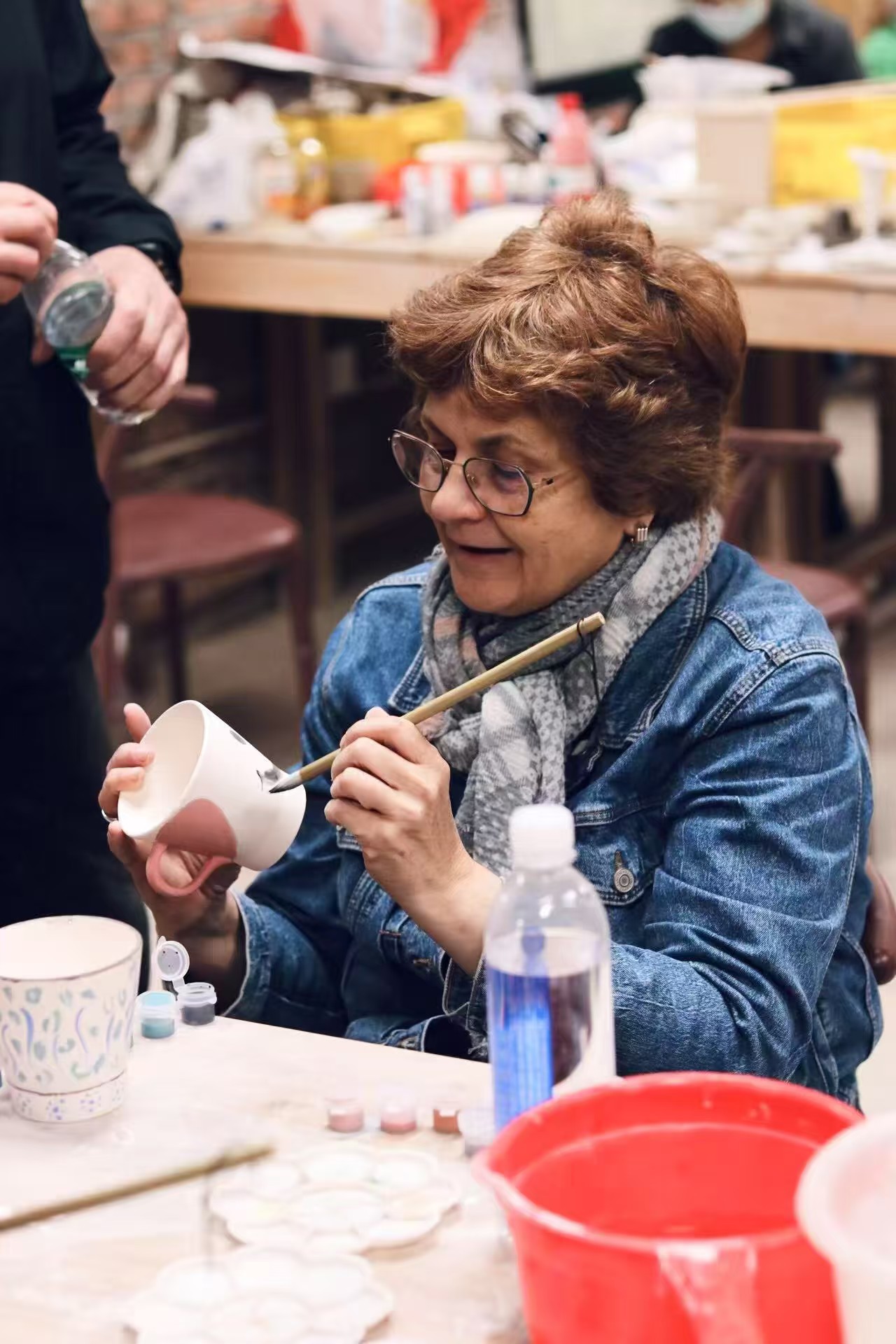
You can see Chinese porcelain in a museum. But in Jingdezhen, you can watch a ceramic artist turn a lump of clay into something extraordinary — and try making a piece yourself.
You can read about ancient China in a history book. Or you can stand in front of an army of terracotta warriors created more than 2,000 years ago.
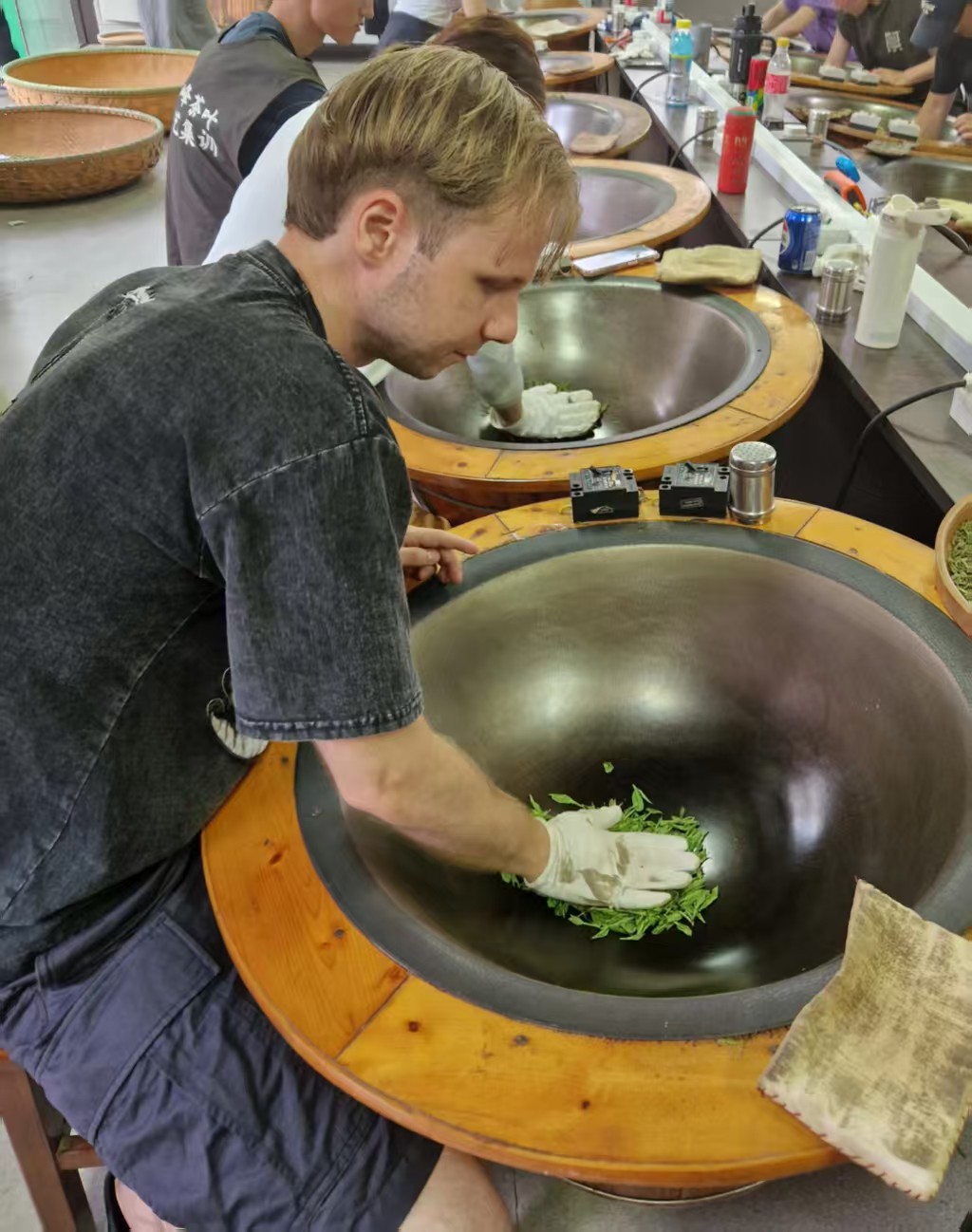
You can watch videos of Chinese tea ceremonies. Or you can spend an afternoon in a Chengdu teahouse, learning how to use a traditional covered tea bowl while the city carries on around you.
That's what makes a journey through China so interesting.
It's not simply the famous places. It's the history behind them, the people keeping traditions alive and the chance to experience something in the place where it belongs.
Here are 10 cultural experiences in China worth considering for your next trip — including what you can actually do, where to go, how much time to allow and what to check before booking.
Some are hands-on. Others are extraordinary historical places that deserve more than a quick photograph.
You don't need to fit all ten into one trip. In fact, we wouldn't recommend it.
Love art and design?
Try porcelain-making in Jingdezhen
or explore the classical gardens of Suzhou.
Interested in ancient civilizations?
Discover the Terracotta Army in Xi'an
or the Silk Road artwork of Dunhuang.
Want to do something with your hands?
Try Chinese traditional crafts,
sugar painting or a ceramic workshop.
Prefer local everyday culture?
Spend time in a Chengdu teahouse
rather than rushing between attractions.
Fascinated by engineering?
Visit Dujiangyan, where an ancient irrigation
system remains in use today.
Love architecture and landscapes?
Explore the Fujian tulou,
walk the Great Wall or visit
Yunnan's remarkable rice terraces.
JINGDEZHEN, JIANGXI | 景德镇
Here's a travel experience you might not have considered.
Instead of buying a ceramic souvenir, visit the place where generations of craftspeople developed some of the world's most admired porcelain.
Jingdezhen has been a major centre of Chinese porcelain production for centuries. Its blue-and-white porcelain became an internationally prized product, influencing tastes and ceramic traditions far beyond China.
In 2026, the Jingdezhen Handicraft Porcelain Industry Sites were added to UNESCO's World Heritage List.
Today, the city has both important historical ceramic sites and contemporary studios.
Depending on the workshop you choose, you may be able to try shaping clay, painting ceramics or learning how different stages of porcelain production work.
Watching someone skilled at the pottery wheel is impressive.
Trying it yourself gives you a completely different appreciation of that skill.
A small-group or private studio experience with time to learn about the materials and try a technique yourself.
If you enjoy design or collecting ceramics, add a visit to the historical production sites and a contemporary ceramics district.
Before booking: Ask whether you'll be making a piece, decorating a pre-made item or simply watching a demonstration.
If your work needs firing, it may not be ready to take home the same day. Check collection or shipping arrangements.
How much time? Ideally two days if ceramics are a major reason for visiting. A shorter visit is possible, but you'll have fewer opportunities to explore beyond the main workshop.
Best for: Artists, designers, collectors, creative couples and curious travellers.
CHENGDU, SICHUAN | 成都茶馆
Not every memorable travel experience needs an entrance ticket.
In Chengdu, some of the most enjoyable cultural experiences happen around a tea table.
Traditional teahouses have long been part of the city's social life.
People meet friends, talk, read, play games and spend time together over cups of tea.
One familiar sight is thegaiwan (盖碗) — a covered tea bowl used for brewing and drinking tea.
Learning to use one is a simple, enjoyable introduction to Chinese tea culture.
But there's something important I'd suggest for your itinerary.
Don't confuse an ordinary teahouse with a formal tea ceremony.
They're different experiences, and both can be interesting.
An everyday teahouse gives you a glimpse of the city's social culture. A guided tasting can teach you more about tea varieties, processing and brewing.
China's traditional tea processing techniques and associated social practices were inscribed on UNESCO's Intangible Cultural Heritage list in 2022.
Spend an unhurried hour or two in an established local teahouse.
If you're curious about the craft, arrange a separate guided tea experience.
Ask about the origins of the tea, how it is processed and why different brewing methods change its flavour.
Avoid this mistake: Don't feel pressured to buy expensive tea or teaware at the end of a tasting. A good cultural experience should still feel worthwhile if you buy nothing.
How much time? Around 1–2 hours for a relaxed teahouse visit; longer for a dedicated tasting.
Best for: Slow travellers, couples, food-and-drink enthusiasts and anyone curious about daily life in China.
CHENGDU AND OTHER CULTURAL CENTRES
Here's a question worth asking:
What if your favourite souvenir from China was something you made yourself?
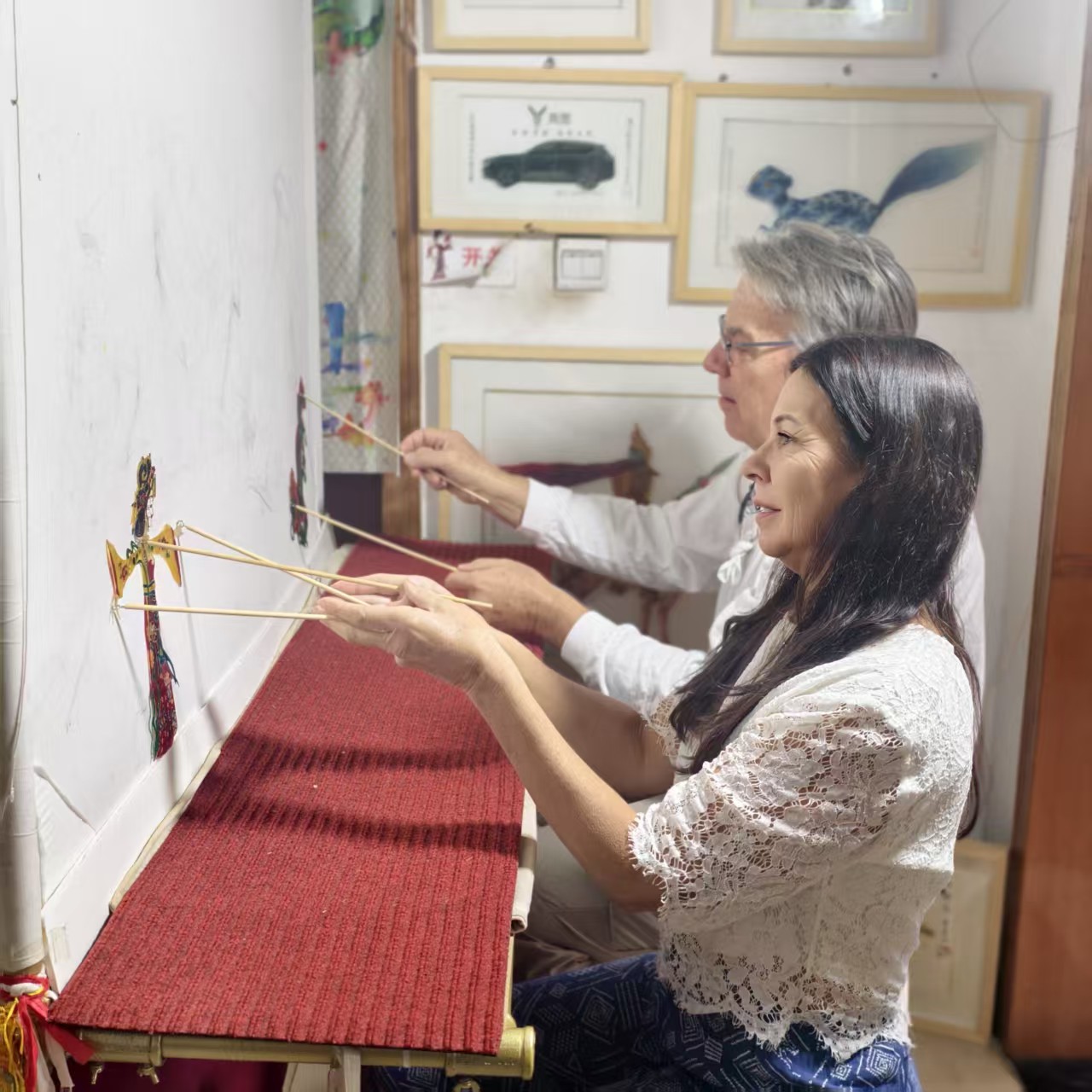
Traditional Chinese crafts can make wonderful short cultural experiences, especially when you have an opportunity to learn from a practitioner.
Depending on the location and organiser, activities may include:
These activities aren't all the same, and their historical traditions differ from one region to another.
Some workshops are designed as accessible introductions for visitors. Others involve more specialised techniques and experienced practitioners.
Both can be valuable, as long as the experience is accurately described.
Our Chinese Culture, Up Close experience brought together tea, traditional lantern-making, opera mask painting, sugar painting, shadow puppetry and live performance for international guests.
The idea was simple: let guests try different elements of Chinese culture rather than spend the entire day watching from a distance.
Before booking: Ask which activities are hands-on, which are demonstrations, how long each session lasts and whether materials are included. A short introductory workshop is not the same as a professional apprenticeship or masterclass.
How much time? About 1–3 hours for one activity, or a full day for several experiences.
Best for: Families, first-time visitors, creative travellers and small private groups.
DUJIANGYAN, SICHUAN | 都江堰
This may sound like an unusual addition to a holiday.
An ancient irrigation system?
Trust me, the story is far more interesting than the name suggests.
Construction of the Dujiangyan irrigation system began in the third century BCE.
Instead of using a conventional dam to block the Min River, its design works with the natural flow of water.
It separates and redirects water, helps manage sediment and supports irrigation across the Chengdu Plain.
The extraordinary part is that the system remains in use today, although it has been maintained and modified over the centuries.
Imagine standing beside a water-management system whose original principles were developed more than two millennia ago.
That's an experience you won't get from a museum replica.
Without explanation, you may simply see a river, channels and historic structures.
With the right interpretation, you begin to understand how the engineers used geography and water flow to solve a problem that still matters today.
Nearby Mount Qingcheng is also an important place in the history of Taoism.
Together, Mount Qingcheng and Dujiangyan form a UNESCO World Heritage property.
Planning tip: Dujiangyan works well as a day excursion from Chengdu. If you're combining it with Mount Qingcheng, allow more time and check the amount of walking involved.
How much time? Allow roughly half a day for the irrigation area, with additional time for transfers and other sights.
Best for: History lovers, engineers, architects and curious travellers.
BEIJING REGION | 长城
The Great Wall is famous.
But there's a difference between seeing it in a photograph and walking along a ridge with the wall stretching into the distance.
It wasn't built as one continuous project by a single emperor.
Different sections were constructed, extended and rebuilt under different dynasties.
Its surviving remains tell a complicated story about defence, geography, labour, military organisation and the history of China's frontiers.
For travellers who enjoy walking, the experience becomes more interesting when you choose a section that suits your ability and interests.
Mutianyu has developed visitor facilities and is a practical choice for many first-time visitors.
Jinshanling is worth considering for those interested in longer walks and more demanding terrain.
The two experiences feel different.
Neither guarantees an empty wall, and neither should be booked without checking the route.
Ask which section you'll visit, how far you'll walk, whether the route includes steep steps and how much actual time you'll spend on the wall.
Some routes are suitable for a relaxed visit. Others require a higher level of fitness.
Access restrictions and weather conditions can also affect plans.
Worth knowing: A longer or more remote route is not automatically a better one. Choose the section that matches your interests, mobility and the time available.
How much time? Usually a substantial part of a day from Beijing, including transfers.
Best for: First-time visitors, photographers, walkers and history enthusiasts.
XI'AN, SHAANXI | 秦始皇兵马俑
Imagine creating thousands of life-sized soldiers, each carefully modelled, for an emperor's tomb complex.
Now imagine those figures remaining buried for more than two thousand years.
The Terracotta Army is one of the most remarkable archaeological discoveries associated with ancient China.
The site near Xi'an came to international attention after its discovery in 1974.
The figures were created for the mausoleum complex of Qin Shi Huang, the first emperor of a unified China.
The soldiers, horses and chariots offer an extraordinary view into the artistic techniques, military organisation and beliefs of the Qin period.
But don't visit just to say you've seen the famous soldiers.
Look closely at the differences in armour, hairstyles, expressions and the arrangement of the figures.
Learn how archaeologists have studied and conserved the site.
Ask why such an enormous funerary complex was created and what it reveals about the emperor's power.
These questions turn a famous attraction into a much richer historical experience.
Important distinction: A commercial workshop where visitors make miniature terracotta figures is not part of the original archaeological excavation. If such a workshop is offered, it should be described as a separate activity.
How much time? Allow several hours for the museum and additional time for the journey from central Xi'an.
Best for: Ancient history enthusiasts, families and first-time visitors.
SUZHOU, JIANGSU | 苏州园林
At first glance, Suzhou's classical gardens seem like beautiful places for a quiet walk.
Look more carefully, and you'll notice that almost every view has been considered.
Rocks, water, plants, corridors, windows and buildings work together to create miniature landscapes.
A carefully positioned window might frame a tree.
A doorway might reveal a completely different scene beyond it.
A winding path allows a relatively small garden to unfold gradually.
These gardens were shaped by ideas connected to Chinese landscape painting, literature and private scholar-garden traditions.
Nine classical gardens of Suzhou form part of the UNESCO World Heritage property.
The Humble Administrator's Garden is one of the best-known examples.
The Master of the Nets Garden is smaller and offers another perspective on traditional garden design.
Instead of trying to visit every famous garden, consider choosing one or two and exploring them properly.
A guide familiar with Chinese garden aesthetics can explain how poetry, architecture and landscape design connect.
Travel tip: Suzhou is a practical addition to a Shanghai-area itinerary. Check garden booking arrangements and expect more visitors during weekends and holidays.
How much time? One full day in Suzhou is a useful starting point; stay longer if you love architecture and design.
Best for: Architects, designers, photographers, couples and slow travellers.
FUJIAN TULOU | 福建土楼
From above, some Fujian tulou look almost like enormous circular fortresses.
Their thick earthen walls surround a central courtyard, with multiple floors rising around the inside.
But these buildings weren't designed as tourist attractions.
They developed as communal residential structures associated with extended family and clan communities.
Their design responded to practical needs: protection, shared space and communal life.
The UNESCO-listed Fujian Tulou property includes 46 notable buildings constructed between the 15th and 20th centuries.
Exploring one gives you a completely different perspective on traditional Chinese housing.
Instead of looking at a historical building purely as architecture, you begin to understand how its design related to the people living inside.
Some tulou remain connected with residential life.
Not every room or private area is open to visitors.
Ask permission before photographing residents or entering private spaces.
If you're interested in learning more, choose a guided visit that explains the building's history and residential traditions.
Planning detail: Tulou clusters are spread across rural areas of Fujian. Check road travel times carefully rather than assuming every cluster is close to Xiamen.
How much time? Allow a full day or an overnight trip depending on the cluster visited and your starting point.
Best for: Architecture enthusiasts, photographers, history lovers and travellers interested in traditional communities.
DUNHUANG, GANSU | 莫高窟
The Silk Road wasn't simply a trade route for silk and precious goods.
Ideas, religions, artistic styles and knowledge also travelled along these interconnected routes.
Few places help tell that story as powerfully as the Mogao Caves near Dunhuang.
The caves preserve extraordinary Buddhist wall paintings and sculptures created over many centuries.
Their artistic traditions reflect contacts between China and other regions connected by the Silk Road.
For visitors interested in art history, this can be one of the most memorable heritage experiences in China.
But this is also a protected conservation site, not a place where visitors can freely enter every cave.
The Mogao Caves use advance reservations and timed admission.
Under the official 2026 visitor arrangements, standard and emergency admission categories provided access to different numbers of caves.
Rules can change according to visitor numbers and conservation needs.
Photography and filming are prohibited inside the caves.
That's part of protecting the fragile cultural heritage, and visitors should respect those restrictions.
Important: Reserve through official channels and bring the required identification documents.
Check the latest rules through the Dunhuang Academy before confirming your trip.
How much time? Allow several hours for the official visit and make Dunhuang part of a properly planned northwestern China itinerary.
Best for: Art historians, heritage lovers, Silk Road enthusiasts and travellers interested in cultural exchange.
HONGHE HANI RICE TERRACES, YUNNAN | 红河哈尼梯田
Sometimes the most extraordinary scenery is created by generations of people working with the landscape.
In southern Yunnan, the Honghe Hani Rice Terraces cascade down mountain slopes in thousands of carefully shaped fields.
Over approximately 1,300 years, Hani communities developed an intricate system of terraces, forests and irrigation channels.
It's an agricultural landscape, but also an expression of longstanding cultural knowledge.
The appearance changes throughout the year.
During water-filled periods, the terraces can reflect the sky like countless mirrors.
Later in the growing season, the hillsides take on different shades of green.
This seasonal transformation is a major part of the area's appeal.
If you've seen a striking photograph of flooded rice terraces, check when it was taken.
The landscape won't look identical throughout the year.
Weather, agricultural activity, water conditions and seasonal timing all influence the view.
This is also a living farming landscape.
Stay on appropriate paths, respect fields and local communities, and ask permission before photographing people.
Planning tip: This area deserves more than a hurried stop. Travel time within southern Yunnan can be substantial, and a suitable overnight stay may make the visit much more rewarding.
How much time? Consider at least two days in the terraces area, depending on your wider route.
Best for: Landscape photographers, nature lovers, slow travellers and visitors interested in traditional agriculture.
Here's the important part.
Not every extraordinary experience belongs in the same itinerary.
China is enormous, and travelling between regions can take much longer than expected.
Choose what genuinely interests you.
| Your Interest | Recommended Experience |
|---|---|
| Art & craftsmanship | Jingdezhen ceramics |
| Everyday culture | Chengdu teahouse |
| Hands-on activities | Lanterns, sugar painting, shadow puppetry |
| Ancient engineering | Dujiangyan |
| Walking & history | The Great Wall |
| Ancient civilizations | Xi'an Terracotta Army |
| Architecture & design | Suzhou gardens |
| Traditional housing | Fujian tulou |
| Silk Road history | Dunhuang Mogao Caves |
| Culture & landscapes | Hani rice terraces |
If you're planning your first trip, resist the temptation to combine every experience on this list.
Instead, build a journey around a few connected destinations.
Beijing → Xi'an → Chengdu
Suggested duration: 9–11 days
Begin with the Great Wall and Beijing's history. Continue to Xi'an for the Terracotta Army, then finish in Chengdu with tea culture, traditional crafts and an optional Dujiangyan excursion.
This route combines world-famous history with experiences you can actually participate in.
Shanghai → Suzhou → Jingdezhen
Suggested duration: 7–10 days
Explore Shanghai, discover the design philosophy behind Suzhou's classical gardens and continue to Jingdezhen for China's porcelain heritage.
A particularly interesting option for travellers who enjoy architecture, art and design.
Xiamen → Fujian Tulou
Suggested duration: 4–6 days
Combine a stay in Xiamen with rural cultural heritage and the remarkable communal architecture of Fujian.
Suitable for visitors who enjoy smaller towns, traditional buildings and more time outside China's largest cities.
What about Dunhuang and Yunnan? Both are excellent destinations, but they're better planned as part of dedicated regional journeys. Don't add them to a short itinerary simply because they look beautiful in photographs.
The word authentic appears in countless tour descriptions.
But what does it actually mean?
A traditional performance can be enjoyable. A visitor-friendly workshop can be meaningful.
There's nothing wrong with activities designed for travellers.
The problem is when the description doesn't match what you actually receive.
Before booking a cultural activity, here are five questions worth asking:
A good cultural experience should be worth your time even if you don't buy anything afterward.
And a good itinerary should leave you enough time to enjoy the experience, rather than rushing to the next photo stop.
Of course, the Great Wall is worth seeing.
The Terracotta Army is extraordinary.
And there are landscapes across China that deserve every photograph you'll take.
But sometimes the moments you remember most are the smaller ones.
Discovering how difficult it is to shape a simple bowl on a pottery wheel.
Learning why a Suzhou garden was designed around a particular view.
Watching sugar painting become a delicate figure in just a few movements.
Or realising that an ancient irrigation system still plays a role in everyday life.
These are the experiences that give a journey depth.
You don't need to do everything.
Choose what genuinely interests you. Give yourself time to explore.
And let China surprise you.
NACAYO TRAVEL / PRIVATE CHINA JOURNEYS
Maybe you'd love to try traditional Chinese crafts.
Perhaps you're interested in ancient history, remarkable architecture or the stories behind China's living traditions.
At NACAYO Travel, we design private, tailor-made journeys across China.
Tell us what interests you, how much time you have and the places you're considering.
We can help you explore suitable cultural experiences, choose a realistic route and understand what's involved before booking.
You don't need a longer list of attractions.
You need a trip that feels like yours.
Plan My Cultural China Journey →
Private itineraries · Local expertise · Thoughtful cultural experiences
Editorial review: October 2026.
Heritage references:
UNESCO — Jingdezhen Handicraft Porcelain Industry Sites
UNESCO — Traditional Tea Practices in China
UNESCO — Dujiangyan Irrigation System
UNESCO — Mausoleum of the First Qin Emperor
UNESCO — Classical Gardens of Suzhou
UNESCO — Honghe Hani Rice Terraces
Travel note: Workshop availability, tickets, opening hours, photography rules and transport arrangements can change. The experiences described above are planning suggestions, not guaranteed inclusions in a NACAYO tour.