
Nacayo
Travel Guides


Travel Guides
October is one of the most rewarding months for scenery in China. Northern Xinjiang can glow with yellow birch forests while western Sichuan develops layers of amber, rust and deep green around brilliant mountain lakes. Farther east, the Great Wall and traditional villages begin to take on a different autumn atmosphere.
There is a catch: early October, mid-October and late October are not interchangeable. The most reliable route depends on when the leaves change, how cold the mountains become, and whether your dates overlap the busy National Day holiday. Use this guide to choose an October destination you can genuinely enjoy — not a list that requires flights across the whole country.
Follow the season — and plan around the holiday.
EARLY OCTOBER — Kanas and Hemu can be excellent for northern Xinjiang autumn color; Longji’s rice terraces may still be golden before harvest. Domestic holiday crowds need serious planning.
MID-OCTOBER — Consider Mount Siguniang, Bipenggou, Jiuzhaigou, Daocheng Yading and Ejina’s poplar forests, depending on the year’s weather.
LATE OCTOBER — Beijing’s Great Wall, parts of western Sichuan, Huangshan and villages in southern Anhui can become more attractive; high-altitude areas may already be wintry.
Leaf color is not guaranteed on any particular date. In 2026, the National Day public holiday was October 1–7; check the officially announced dates for your travel year.
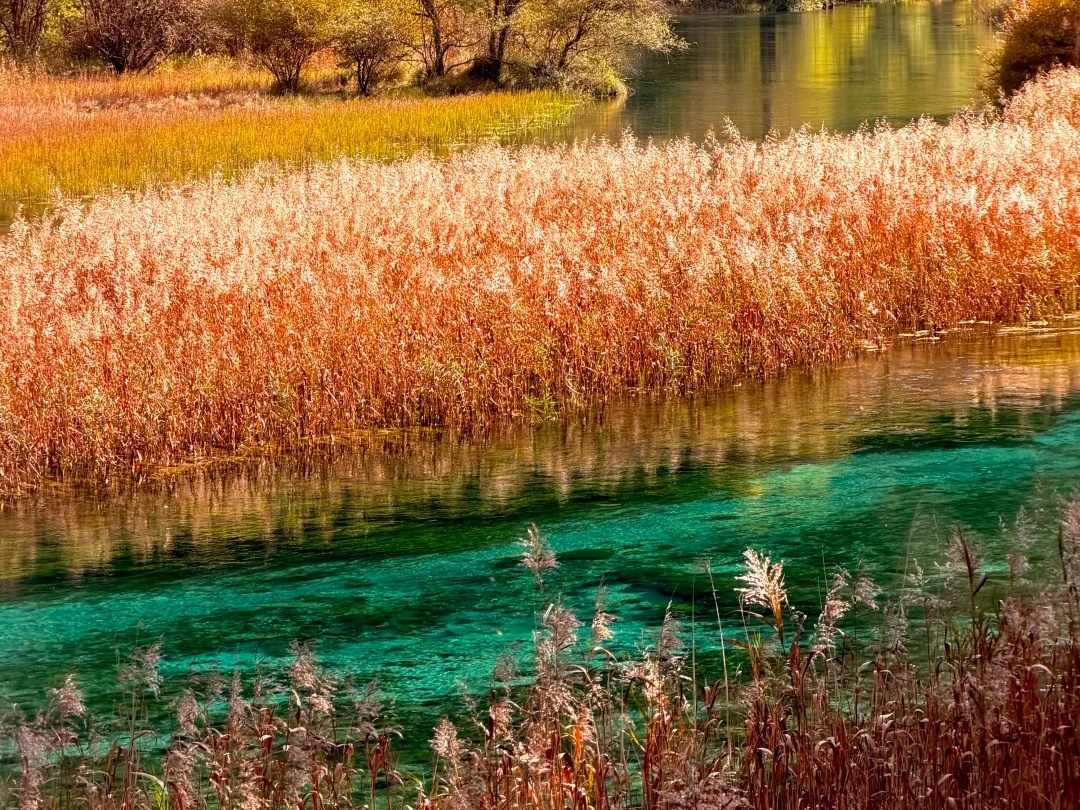
PHOTO 01 · Jiuzhaigou Autumn Lakes and Colorful Forests · 1400 × 800
In October, Jiuzhaigou is famous for the contrast between its bright blue-green lakes and forests shifting toward yellow, orange and red. Five Flower Lake, Mirror Lake, Nuorilang Waterfall and Five-Color Pond offer different compositions; the strongest color can move across the valleys as altitude and temperature change.
It is tempting to call one weekend “the peak,” but there is no single date that works across the entire scenic area. Early October may show a mixture of green and yellow, while later weeks can bring richer color in some sections. In some years, striking color continues into early November. Cold rain, wind or an early snowfall can shorten the display or change the visitor experience.
Huanglong is a separate high-altitude scenic area, best known for its natural travertine pools. It combines well with Jiuzhaigou, but the two are not neighboring stops inside one park. Expect colder conditions in Huanglong and allow for the journey between them.
Three different locations matter
Railway station: Huanglongjiuzhai or Songpan, depending on your selected service.
Road connection: the current station-to-Huanglong or station-to-Jiuzhaigou bus/vehicle transfer.
Accommodation: a hotel near the Jiuzhaigou entrance is not the same as staying beside the railway station. Confirm the last arrival transfer before booking.
Travel from Chengdu is possible via rail plus a road transfer, or by road depending on your route. Check current rail services, shuttle timetables and road conditions; a train to Huanglongjiuzhai does not deliver you directly to the Jiuzhaigou entrance.
For a detailed seasonal route, see Jiuzhaigou in Autumn: Best Time, Sights & Transport.
Mount Siguniang has a different kind of autumn. In Shuangqiaogou, pale grasslands, red and yellow shrubs, larch trees and snowy ridgelines create a layered landscape that can be enjoyed on a regular sightseeing visit using the scenic-area transport system. Changpinggou is more walking-oriented, and conditions and hiking demands differ.
Nearby in western Sichuan, Bipenggou is known for mountain lakes and colored forest slopes below the high peaks. Routes through Lixian also pass villages and roads where the surrounding hillside may be as memorable as the named attraction. The October 2026 Lixian tourism bulletin described colored forests along the Li-Xiao road and around Bipenggou, but road conditions must still be verified on the day.
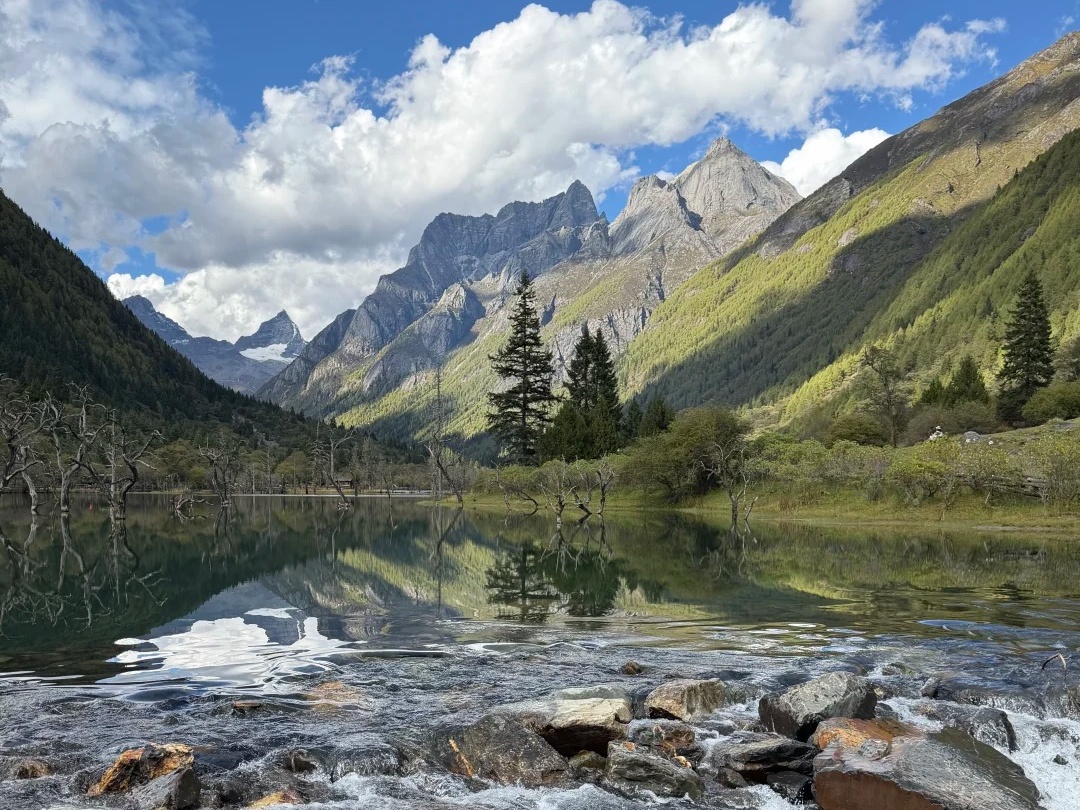
PHOTO 02 · Mount Siguniang Snow Peaks and Autumn Valley · 1200 × 800
These are excellent places for a Chengdu-based autumn trip, but they should not be combined in one rushed sightseeing day. The mountain roads, local weather, and possible seasonal restrictions need time. A family wanting easy walks should prioritize Shuangqiaogou; more active travelers can consider extra walking options after checking the route and conditions.
Route planning: Western Sichuan autumn itinerary from Chengdu.
Daocheng Yading is one of the dramatic highland destinations of southwest China. In a favorable October, autumn color appears around alpine valleys beneath distinctive snow peaks. Photographers may enjoy the meeting of yellow larch trees, rocky mountains and clear highland light.
It is not a casual add-on to a Chengdu city tour. Access involves substantial travel and high altitude; trails and sightseeing arrangements can vary with weather and operations. The longer routes toward high-altitude lakes are physically demanding and are not automatically suitable for families with small children or travelers who prefer easy walking.
A more satisfying experience is to stay nearby, choose walks according to conditions and fitness, and allow flexibility if the weather changes. Cold mornings, sudden mountain weather and even snow are possible in October. Do not assume a blue-sky mountain reflection every day.
For a first-half-of-October trip, Kanas and Hemu in northern Xinjiang are among China’s iconic autumn landscapes. Hillsides of golden birch and larch trees meet coniferous forest, rivers and mountain settlements. Hemu’s wooden houses and morning mist have a different mood from the lake scenery at Kanas.
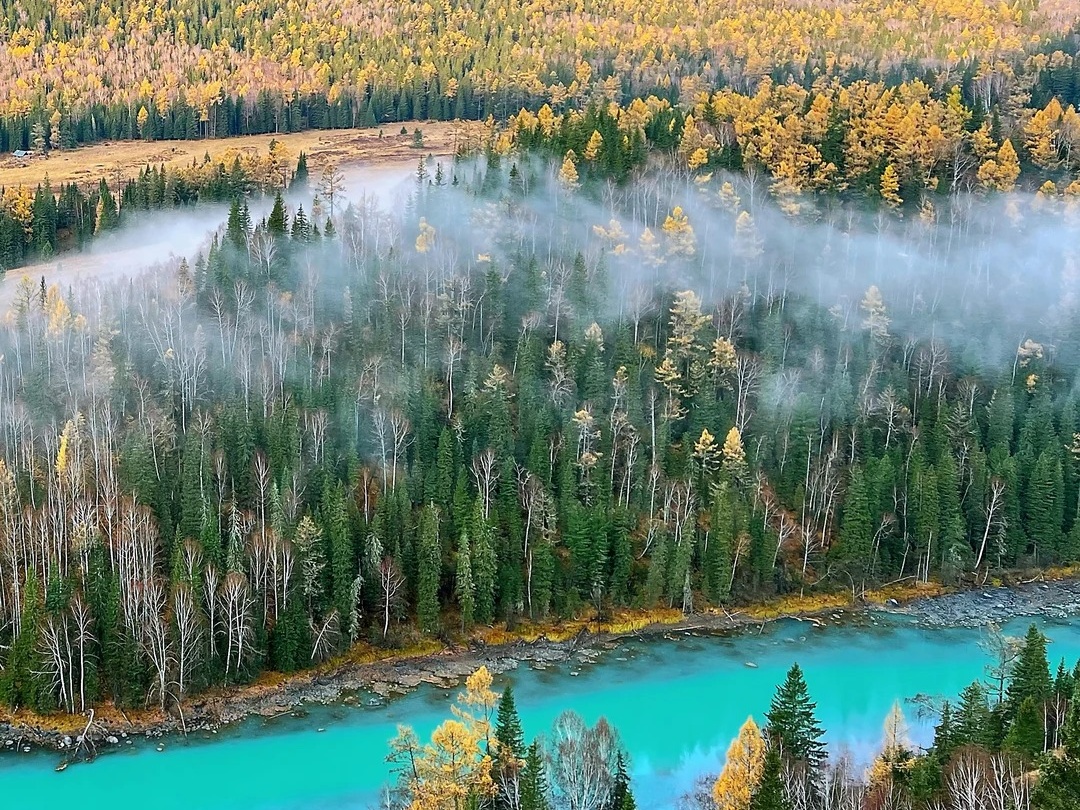
PHOTO 03 · Kanas and Hemu Golden Birch Forests · 1200 × 800
Timing matters enormously. The most striking color often falls in late September and early October; a traveler arriving in the latter half of October may find many leaves already gone, with very cold weather or snow possible. This is a region to book around the autumn season rather than simply the word “October.”
Transport is also part of the trip. Use suitable air or rail gateways, then count the long onward journey to the scenic areas, local entry systems and seasonal transfers. During the National Day holiday, accommodation and scenic transport can be heavily booked. Allow a full northern Xinjiang segment rather than flying in for a single photograph.
For a more detailed route, explore Kanas and Hemu in Autumn: Timing and Transport.
Ejina Banner, in the Alxa region of Inner Mongolia, is famous for its golden poplar forests against dry ground, river channels and open desert sky. Unlike Kanas, where yellow trees rise along green mountains, Ejina shows a more striking contrast between glowing leaves and arid landscapes.
The best color changes from year to year. A 2025 meteorological forecast expected Ejina’s prime viewing period to begin around October 4 and continue into the middle of that month; reports in mid-October 2026 again described the area as in its prime autumn season. This supports planning around early-to-mid October, not promising that the second half of every October will be equally strong.
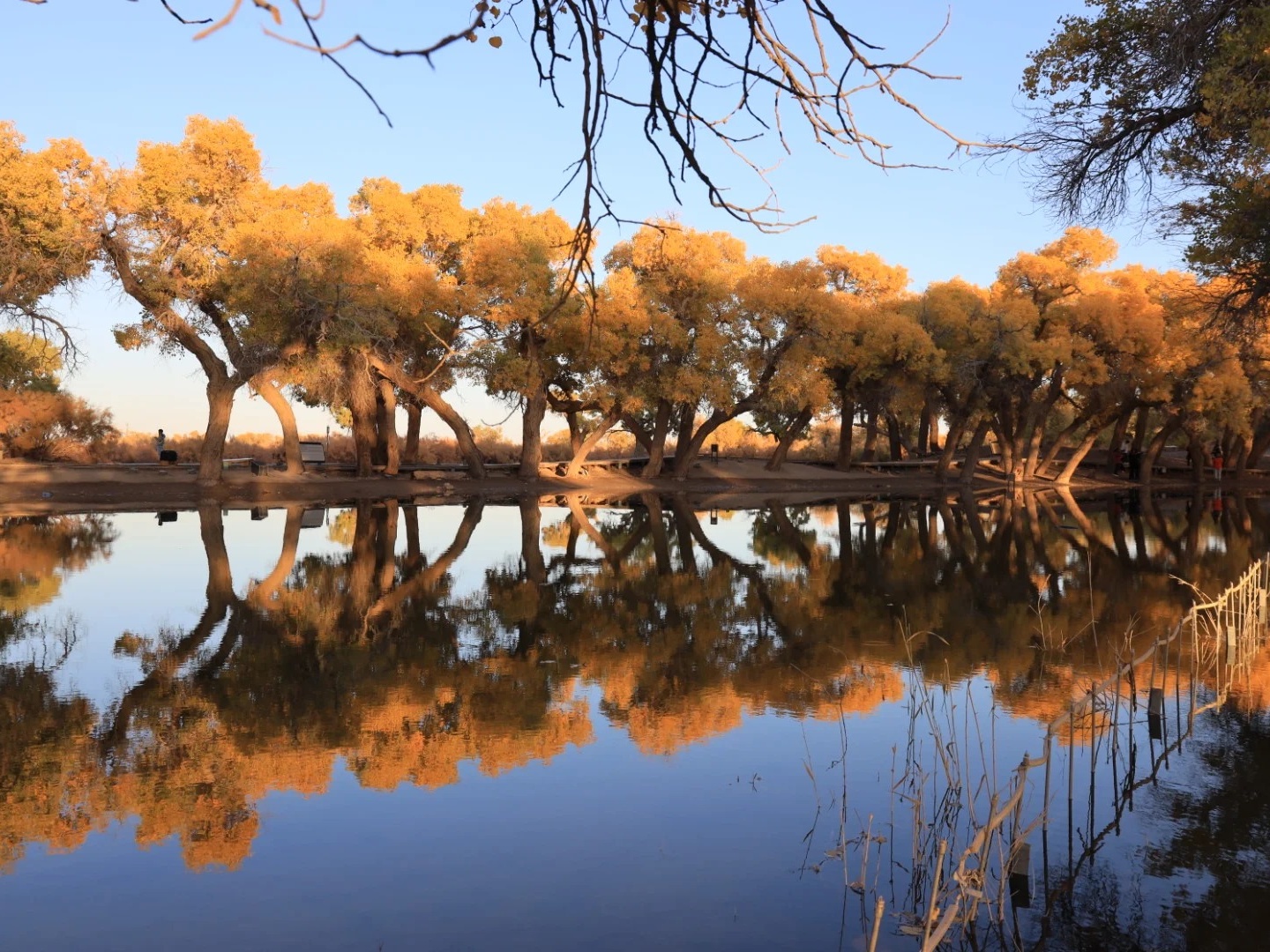
PHOTO 04 · Ejina Golden Poplar Forest and Desert · 1200 × 800
Ejina is remote. Visitors should compare the overall route through available transport hubs, road driving time, hotel supply and the short leaf-color window. This is better suited to a dedicated regional journey than an overnight side trip from Beijing or Chengdu.
Beijing is a strong October destination even if a particular tree is not fully red. Cooler autumn days can be comfortable for the Forbidden City, hutong walks and museums. The best-known seasonal experience is the Great Wall surrounded by changing forest, especially at suitable sections such as Mutianyu or Badaling.
The timing varies by hillside and elevation. Beijing’s official English-language autumn information has highlighted red-leaf viewing around Great Wall areas from mid-October, while Mutianyu’s strongest colors have been reported from later October in other years. Do not assume trees inside central Beijing will reach peak color on the same day as those on surrounding mountains.
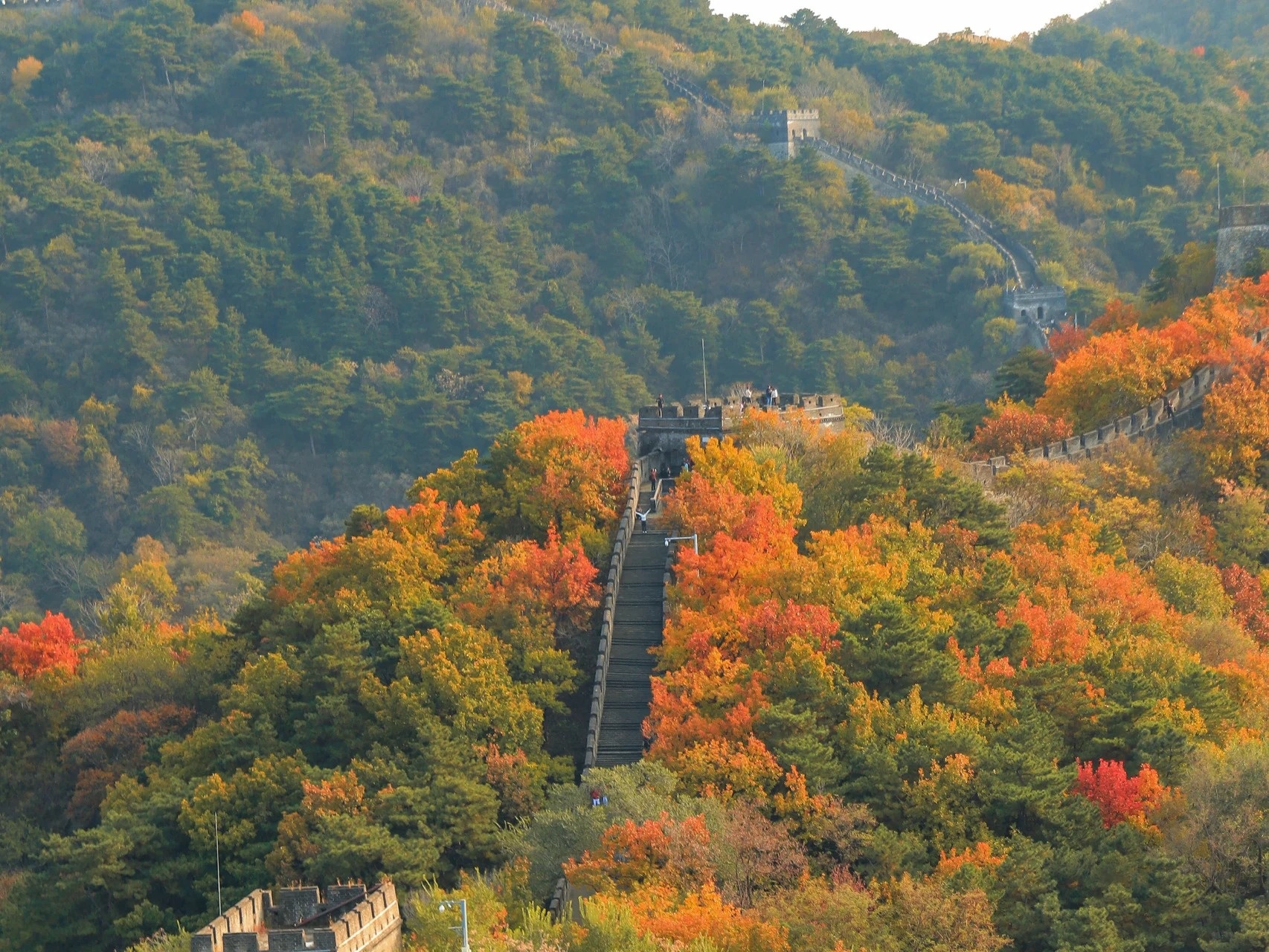
PHOTO 05 · Mutianyu Great Wall with Autumn Leaves · 1200 × 800
A good plan includes one full Great Wall day, rather than squeezing it between several city attractions. Bring a layer for cold wind on exposed sections, and choose a route compatible with your group’s fitness. Historical sites may require timed reservations regardless of foliage conditions.
Autumn in Longji Rice Terraces, north of Guilin, is not about red leaves. The attraction is the layered shape of mountain agriculture: rice plants can turn gold across the hills before local farmers harvest them. Places around Ping’an and the Jinkeng terraces offer different viewpoints, village settings and walking routes.
Unlike a permanent garden, these fields are working farmland. Harvest timing can vary by year and by terrace area. A late-October visitor may see harvested fields rather than the golden sea shown in photographs. Ask for the current rice condition close to your visit and respect farmland paths and barriers.
Combine a terrace stay with Guilin and Yangshuo if you have several days. The Li River and Yangshuo offer limestone hills and river scenery, whereas Longji is primarily about terraces and village landscapes. Weather and road transfers should guide the order of your days.
Huangshan (Yellow Mountain) is rewarding for its granite peaks, pines, cloudscapes and dramatic viewpoints. October can provide pleasant lower-elevation cultural sightseeing, while high trails remain cooler and exposed. Autumn foliage in the wider region develops in stages, and the famous mountain is compelling even without uniform red leaves.
Villages such as Hongcun, Xidi and the surrounding Yixian countryside add a cultural dimension, with traditional Hui-style buildings, water features and agricultural landscapes. Tachuan is a known fall-color location, but some of the richer village foliage may appear in late October or November rather than the first week of the month.
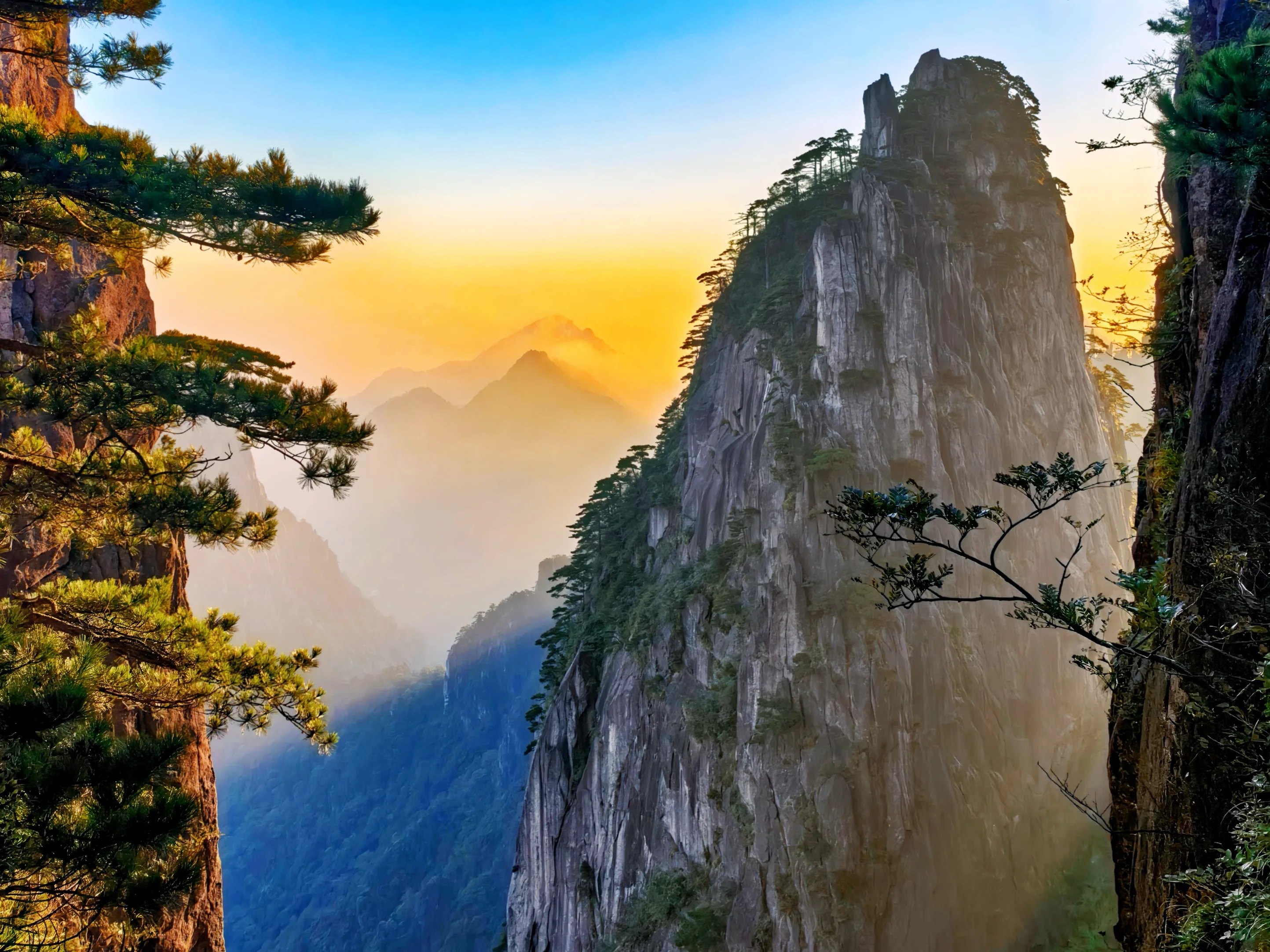
PHOTO 07 · Huangshan Peaks and Southern Anhui Autumn Villages · 1200 × 800
Reserve enough time for the mountain shuttle, cableway and hiking sections, and check the latest entrance and operating notices. These details can change for the National Day holiday. For a calm trip, stay locally instead of attempting a long day return from Shanghai.
Not everyone travels in October specifically for leaves. Dunhuang and Zhangye offer a rewarding alternative: Mogao Caves and Buddhist art, the dunes around Mingsha Mountain and Crescent Lake, and Zhangye’s colorful Danxia landforms. Autumn can be a useful season for exploring these arid landscapes without the peak heat of midsummer.
For international visitors, the main planning challenge is geography and tickets. The Mogao Caves use controlled visiting arrangements, and foreign-passport booking instructions should be checked through the official channels for your travel dates. Choose your route based on transport hubs and the time required between cities, not just a map of headline sights.
Evenings can become chilly, especially farther into October. Bring layers for early photography sessions and avoid assuming the desert is always hot. A west-to-east or east-to-west itinerary can reduce unnecessary backtracking.
The great advantage of Chengdu and Chongqing in October is that the trip does not depend on a particular leaf-color forecast. Chengdu brings giant pandas, traditional teahouses, community food streets, Dujiangyan and a quieter pace. Chongqing offers steep urban neighborhoods, Liziba station, historic streets, river crossings and evening views around Hongyadong.
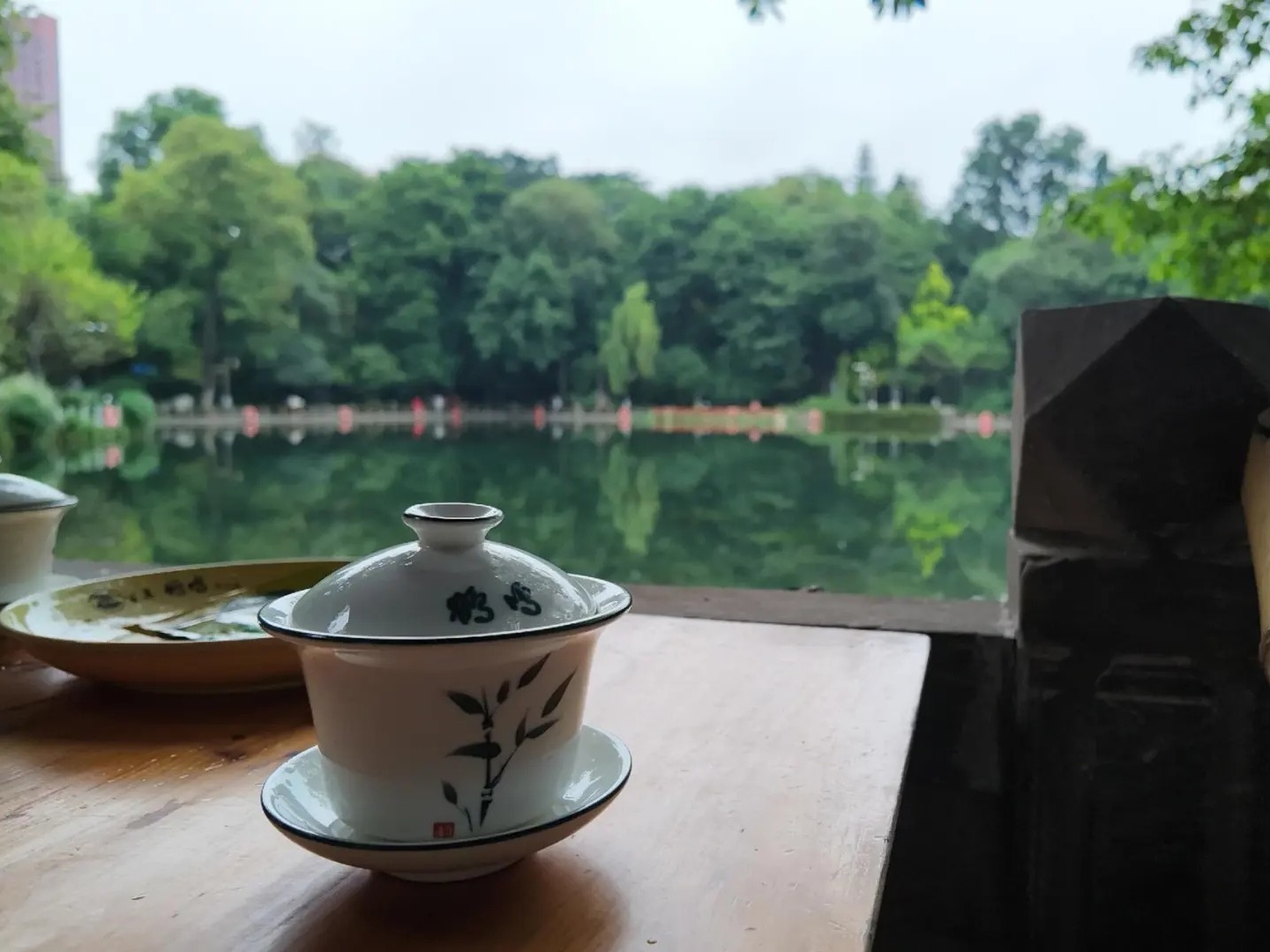
PHOTO 06 · Chengdu Teahouse and Autumn City Life · 1000 × 750
These two cities are linked by high-speed rail and pair well with western Sichuan when you have enough days. Still, the basin cities and the plateau should not share one packing list: a comfortable Chengdu afternoon does not guarantee mild weather in a high-altitude valley.
If your priorities are food, heritage, travel with children or a gentle arrival to China, spend more nights in the cities and treat mountain scenery as a separate multi-day leg. Do not promise guaranteed autumn color inside downtown Chengdu or Chongqing.
This date-based decision is more useful than a single ranking. Autumn leaves change with latitude, elevation, cold weather and the type of trees. Even two areas of the same scenic park can color differently.
Kanas, Hemu, parts of Longji and early highland foliage deserve attention. Ejina can also be attractive in some years. But October 1–7 was China’s National Day holiday in 2026, so the first week can be one of the hardest times to book transport, hotels and marquee attractions. Dates for future holiday schedules must be checked officially.
Western Sichuan, Jiuzhaigou and Ejina are strong candidates, depending on current color reports. This can be a good compromise between autumn landscapes and post-holiday travel, though popular weekends and scenic-area quotas still matter.
The Great Wall, lower and mid-elevation autumn forests, parts of Jiuzhaigou, and southern Anhui become interesting. Kanas may already be past peak, while high mountains can be colder or affected by snow. Adjust the route to the actual conditions rather than trying to repeat an early-October photo.
A peak-color date is not a national forecast.
The best leaf window for Kanas does not predict the best week for Jiuzhaigou or Beijing.
Check park bulletins and recent images shortly before travel; for agricultural terraces, also check whether the rice has been harvested.
For many classic city routes, October is more comfortable than midsummer, but it is not one uniform mild season. Beijing can have crisp mornings and stronger wind at the Wall. Shanghai and Jiangnan often have easier walking weather, though wet or windy days still happen. Chengdu and Chongqing can be cloudy or damp without the mountain cold of western Sichuan.
At Jiuzhaigou, Mount Siguniang, Daocheng Yading and other highlands, a sunny afternoon can be followed by a cold night. Elevation and sudden weather changes matter more than temperatures in your arrival city. Kanas and Ejina can cool quickly, with substantial differences between daytime and early morning.
Pack a moisture-managing layer, a warm insulating layer, a wind-resistant outer jacket and grippy walking shoes. Add gloves or warmer clothing for early photo starts and alpine walks. Keep rain protection available even in regions described as relatively dry.
For broader seasonal comparisons, read Best Time to Visit China.
Choose your autumn experience — not just a famous name.
Blue lakes and colorful forest: Jiuzhaigou; add Huanglong if altitude and transport fit your plans.
Snow mountains and autumn valleys: Mount Siguniang and Bipenggou; Yading for more demanding highland travel.
Golden northern forest: Kanas and Hemu — focus on the earlier part of the month.
Desert poplar trees: Ejina — follow the latest local color forecast.
History with autumn scenery: Beijing and the Great Wall, or Huangshan and southern Anhui.
Food and a less weather-dependent trip: Chengdu and Chongqing.
Families with children and travelers who prefer shorter walks will often be happier with one or two bases and a manageable transfer day. Serious photographers may prefer two or three nights near a single forest or valley, so a weather change does not eliminate the only chance to see the view.
These sample routes keep geographically connected places together. Dates, train schedules, road access and hotel locations should be checked before fixing the sequence; they are not promises that every connection will operate on the same timetable.
Day 1: Arrive in Chengdu and enjoy an easy first afternoon or evening.
Day 2: Travel by an appropriate train to Huanglongjiuzhai/Songpan, then use the planned road transfer toward Jiuzhaigou; stay near the valley entrance.
Day 3: Give Jiuzhaigou a full sightseeing day with time for lakes, forest scenery and shuttle connections.
Day 4: Visit Huanglong if conditions and ticket timing allow, then overnight at a sensible transfer point or return toward Chengdu.
Day 5: Finish the return journey and depart from Chengdu only with a realistic flight buffer.
This is a regional route rather than five uninterrupted sightseeing days. Transport schedules decide whether a fourth-night return to Chengdu is feasible.
Day 1: Arrive in Chengdu and prepare for the mountain journey.
Day 2: Drive to the Mount Siguniang area with scenic and comfort stops.
Day 3: Visit Shuangqiaogou at a relaxed pace; stay near the mountain.
Day 4: Use this day for a second suitable valley experience or an unhurried transfer toward Lixian, subject to road conditions.
Day 5: Explore Bipenggou’s lakes and colored forest slopes.
Day 6: Return to Chengdu, keeping flexibility for road and weather conditions.
Day 7: Visit a Chengdu teahouse or panda attraction before departure.
Do not assume a seasonal mountain road such as the Li-Xiao route is open on the intended date. Choose the actual driving route after a local check.
Days 1–2: Arrive in Chengdu, visit the Panda Base, enjoy a teahouse and explore neighborhood food.
Days 3–4: Explore Mount Siguniang, including Shuangqiaogou and an overnight mountain stay.
Day 5: Return toward Chengdu, with time for road conditions and recovery.
Day 6: Travel to the Jiuzhaigou area using an available rail-and-road connection.
Day 7: Spend a full day in Jiuzhaigou National Park.
Day 8: Visit Huanglong if appropriate, then continue back toward Chengdu.
Day 9: Take a suitable train to Chongqing and enjoy the riverside city.
Day 10: Explore a compact Chongqing neighborhood route, then depart or extend the stay.
This is a relatively active route. Travelers who prefer fewer transfers should omit one mountain leg or extend it by two days. There is no need to force the mountains into a single uninterrupted road loop when rail connections through Chengdu make more sense.
National Day is celebrated on October 1, and mainland China’s public-holiday arrangements create a major domestic travel period around the beginning of the month. For 2026, the State Council officially scheduled October 1–7 as the National Day holiday. Later years may have different adjusted dates, so verify the current announcement rather than copying a previous calendar.
On these dates, flights, high-speed trains, national parks, scenic shuttles and popular hotels can fill quickly. Places such as Jiuzhaigou, Huangshan and major Great Wall sections may impose timed admission, quotas or special holiday operating arrangements. Some rural areas also receive visitors far beyond their normal weekday numbers.
Consider a post-holiday departure.
After the holiday period, some destinations may be easier to book, but autumn color should still determine the route. Do not push an early-season northern forest trip to late October just to avoid crowds.
If you must travel during the holiday, reserve essential hotels, intercity transport and quota-controlled attractions ahead of time, and leave more transfer buffer than usual.
For Jiuzhaigou, distinguish the railway station, road shuttle stop and hotel location. For northern Xinjiang and Ejina, count the onward road day as part of the itinerary, not an invisible transfer.
International visitors can book Chinese trains and many attractions with a valid passport through supported booking systems. Check the exact station and identity-document rules for each provider. China Train Guide explains the rail process.
A recent scenic-area bulletin is more helpful than a years-old “best day” calendar. Cold spells or storms can change mountain access, while rice harvesting can change Longji’s appearance overnight.
Mountain weather, altitude and road restrictions can affect outdoor plans. Build in breaks and a backup activity. Avoid treating high-altitude trekking as interchangeable with flat city walking.
Keep Chinese hotel names, addresses and transfer stations on your phone, and check payment and data options before arrival. Start with the First Trip to China guide if this is your first visit.
Chengdu–Chongqing is a convenient rail pairing; Chengdu–Jiuzhaigou or a forest area in Xinjiang adds a significant last-mile connection. See Getting Around China for broader choices.
Yes, particularly for many classic city routes and varied autumn landscapes. However, the early-month public holiday creates major crowd pressure, and highlands can already be cold.
Consider Jiuzhaigou and western Sichuan, Kanas and Hemu in northern Xinjiang, Ejina’s poplar forests, and forested Great Wall areas near Beijing. Their best weeks are different.
Early October can be good for Kanas and some golden rice terraces, but often overlaps with the National Day travel rush. Late October can be better for red leaves around Beijing and some lower-elevation areas; it may be too late for Kanas.
Mid-to-late October is a useful starting window, but color shifts by elevation and year. In some seasons good color continues into November. Check the latest park updates.
You can travel toward the region by rail to stations such as Huanglongjiuzhai or Songpan where served, then continue by a separate road transfer. The train does not stop at the scenic entrance.
Not reliably. Its strongest golden forest color commonly arrives in late September or early October, and later visits can be cold or snowy with many leaves already fallen.
No. Ejina is in Inner Mongolia; Tarim poplar destinations are in Xinjiang. Both are associated with golden trees, but geography, transport and seasonal timing differ.
They can be, especially with sightseeing routes and an unhurried pace. However, altitude, mountain weather, transport arrangements and the difficulty of specific walks need consideration.
Conditions vary, but high elevation means freezing mornings, strong sun and possible snow are real considerations. Some routes require significant fitness and suitable weather.
The country has a major domestic travel period around October 1. In 2026 the official holiday ran October 1–7; travelers should check their year’s schedule and reserve essentials early.
International visitors can visit subject to current ticket quotas and applicable official passport-booking procedures. Verify the system and permitted visiting times before making a fixed travel plan.
Five days suit one regional trip. Seven days can cover a coherent mountain or cultural route. Ten or more days are helpful for a city-and-mountain combination; avoid collecting distant provinces in a rush.
A good October journey is built around one region at a time: northern Xinjiang in its earlier golden period, western Sichuan as mountain colors develop, or the Great Wall and southern Anhui later in the season. Add realistic transport, weather flexibility and a plan for holiday crowds. The result is a more enjoyable experience than flying between distant “best places” whose seasons do not line up.
Nacayo Travel helps international visitors plan private journeys in China, with particular expertise in Chengdu, Chongqing and western Sichuan. Our local team can discuss autumn destinations, sensible driving routes, accommodation areas and a travel pace that suits your group. Arrangements depend on actual transport, weather and availability.
Tailor-Made Travel · Private Tours · Local Experiences
TRUST FIRST. FUN FOLLOWS.

PHOTO 08 · NACAYO TRAVEL LOGO · 480 × 160