
Nacayo
Travel Guides


Travel Guides
February 2027 travel planning · Winter landscapes, festivals and first signs of spring
February is one of the most varied months to travel in China. Northern cities still offer deep winter scenery, festive streets and ice displays. In the southwest, Jiuzhaigou's blue lakes contrast with snowy peaks, while Chengdu and Chongqing reward visitors with pandas, teahouses and local food. Farther south, parts of Yunnan enjoy sunny days, Luoping may begin to bloom, and tropical Hainan offers a different pace altogether.
For a first February trip, choose by experience rather than trying to cover the whole country: Harbin or Jiuzhaigou for winter scenery; Beijing, Xi'an or Guangzhou for Lunar New Year culture; Chengdu and Chongqing for cities and cuisine; Yunnan or Sanya for warmer days and early spring. In 2027, Chinese New Year is on February 6, with the Lantern Festival on February 20. Event schedules and the official holiday arrangement should be checked again before departure.
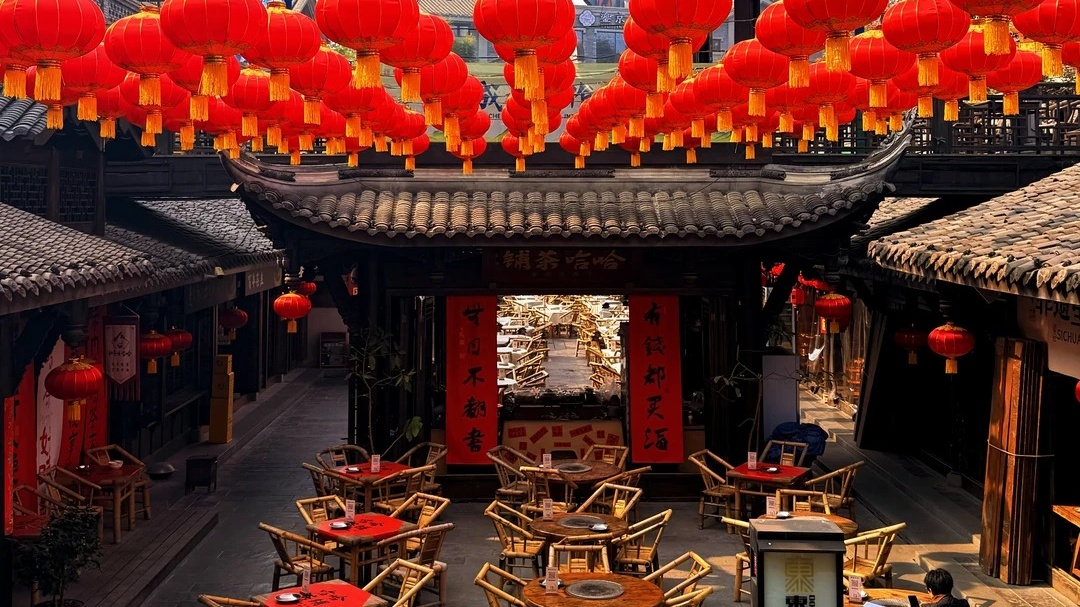
PHOTO 01 · Chinese New Year lanterns in Chengdu old streets at dusk
Yes—if you choose destinations for the season. February is excellent for winter photography, Chinese New Year celebrations, comfortable sightseeing in some southern areas, and the first signs of spring. It is not a uniformly mild month. Harbin can be bitterly cold; Beijing and Xi'an have dry winter conditions; Chengdu and Chongqing often feel damp and chilly; and Yunnan can have warm sunshine followed by cold evenings.
The other deciding factor is when you travel within the month. Early February 2027 overlaps with Lunar New Year celebrations, which can be fascinating but also bring greater demand for intercity transport and accommodation. Later in the month, winter attractions may respond to rising temperatures, while some spring flowers become more promising. Avoid treating a seasonal photograph or an event advertised in a previous year as a guarantee for your dates.
Best for: Ice sculptures, winter festivals and cold-weather photography. Suggested stay: 2–3 days.
Harbin is the clearest choice if you want February to feel like a northern winter. Its best-known attraction, Harbin Ice and Snow World, creates enormous structures from blocks of ice, illuminated after dark. Away from the ice park, Central Street's European-influenced façades, Saint Sophia Cathedral and warming meals of northeastern Chinese food make the city more than a single attraction.
An easy plan gives one day to Central Street and the surrounding city, another to the ice and snow attractions, and a flexible extra day for an outdoor activity or a weather-related change. Arrive by flight or rail according to your wider route. Bring insulated boots, gloves, a warm hat and layers suited to prolonged outdoor exposure; a thin city jacket will not be enough.
February caution: Large ice installations depend on weather. In February 2026, Harbin Ice and Snow World announced a temporary closure on February 20–21 because of above-freezing temperatures, with plans to resume operations afterward. For late-February visits, confirm the current season's schedule rather than assuming the festival will operate every day.
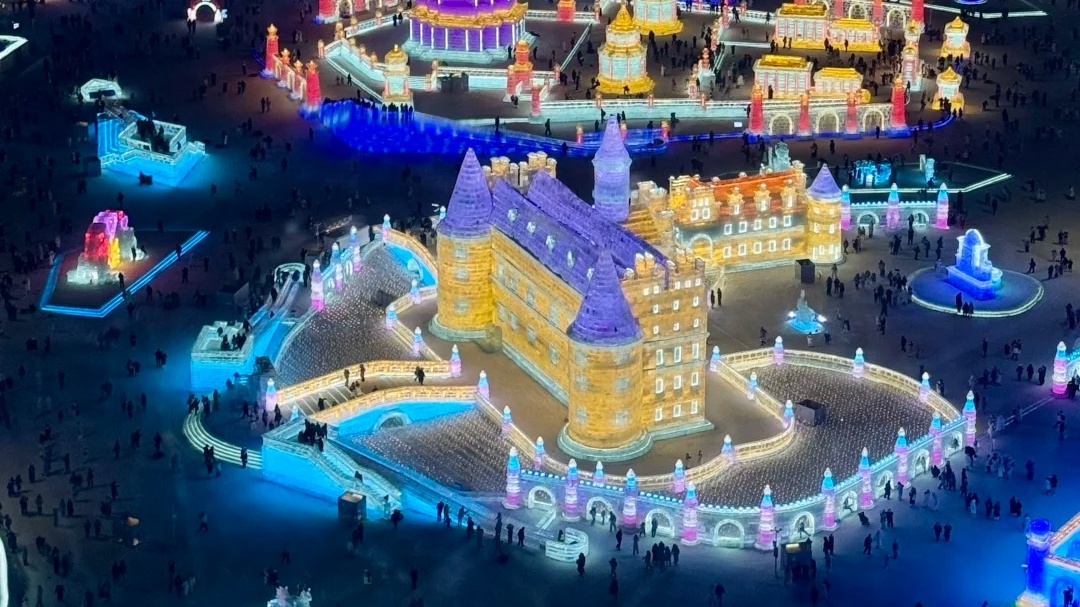
PHOTO 02 · Harbin Ice and Snow World illuminated ice buildings
Related reading: Harbin Ice and Snow Festival Guide.
Best for: Natural scenery, lakes, winter photography and a quieter style of mountain travel. Suggested stay: One full day in the scenic area; allow 3–4 days for a Chengdu-based round trip.
Jiuzhaigou, in northern Sichuan, looks very different from its colourful autumn photographs in February. Evergreen slopes, bare deciduous trees and snow-dusted mountains frame lakes that can retain vivid shades of turquoise. Waterfalls may develop ice formations, although the exact amount of snow or ice changes with the weather. This is a destination for travellers who appreciate the landscape even without fresh snowfall.
Allow a full day inside the valley rather than combining it with a long arrival journey. Chengdu is a useful gateway, but Huanglongjiuzhai railway station is not the Jiuzhaigou scenic-area entrance. A separate road transfer is needed after the train journey. Check train times, onward buses or a prearranged car, and your hotel's location near the valley entrance before confirming the itinerary.
February caution: Jiuzhaigou has operated winter conservation rotations that temporarily close some trails and viewpoints. Its official 2025–26 winter notice covered November 16 to March 31. Check the newest official visitor notice for accessible areas, entry times and ticketing; do not plan around a summer sightseeing map. If you want step-by-step transfers, read How to Get from Chengdu to Jiuzhaigou and the Jiuzhaigou Travel Guide.
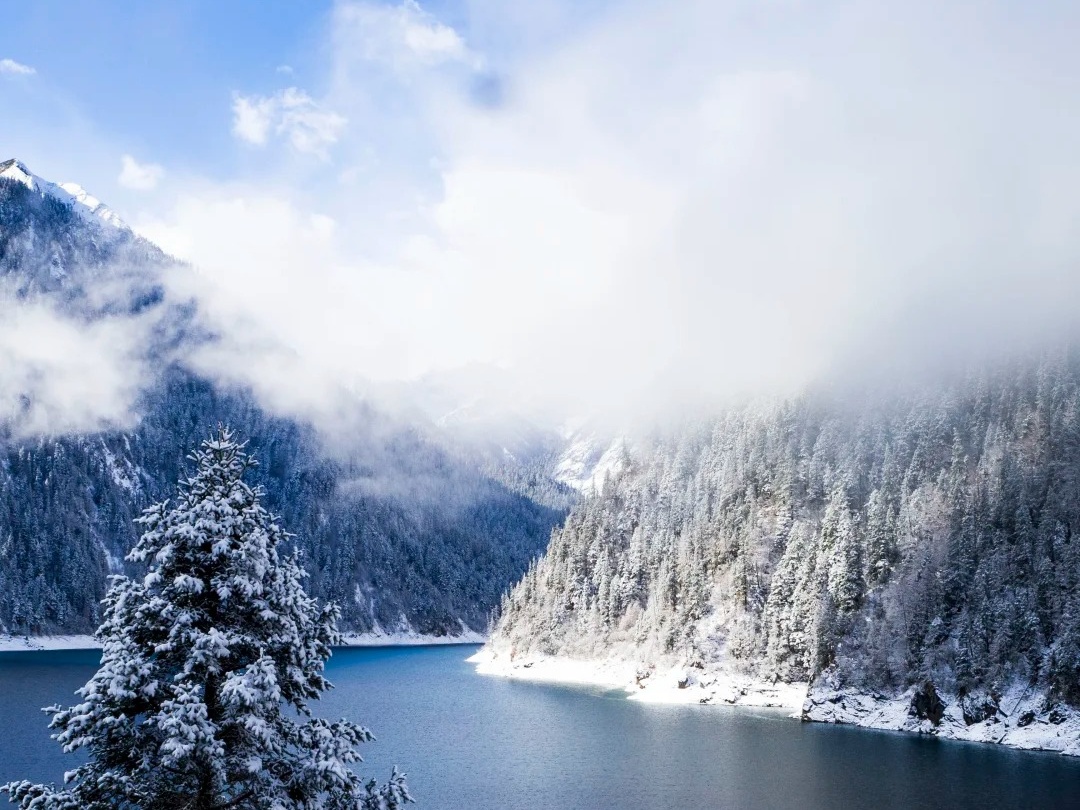
PHOTO 03 · Jiuzhaigou winter turquoise lake and snowy forest
Best for: First-time visitors, history and traditional New Year atmosphere. Suggested stay: 3–4 days.
Beijing combines major historic sights with celebrations that are especially meaningful around Lunar New Year. Visit the Forbidden City, Temple of Heaven and traditional hutong neighbourhoods, then look for a confirmed local temple fair. Ditan Temple Fair, for example, has previously featured folk performances, crafts and festive food. These are living community events, not simply displays arranged for international tourists.
A three-day introduction can include one day for the Forbidden City and central Beijing, another for the Temple of Heaven and hutongs, and a third for the Great Wall or a seasonal event. The Great Wall needs a fuller outing and suitable winter footwear; icy paths and changing conditions may affect which section is most practical.
February caution: Beijing is still cold and often windy. Some museums and historic sites require advance reservations, and holiday opening arrangements can differ from normal schedules. The dates of 2027 temple fairs must be confirmed separately; a 2026 event calendar does not establish what will run in 2027.
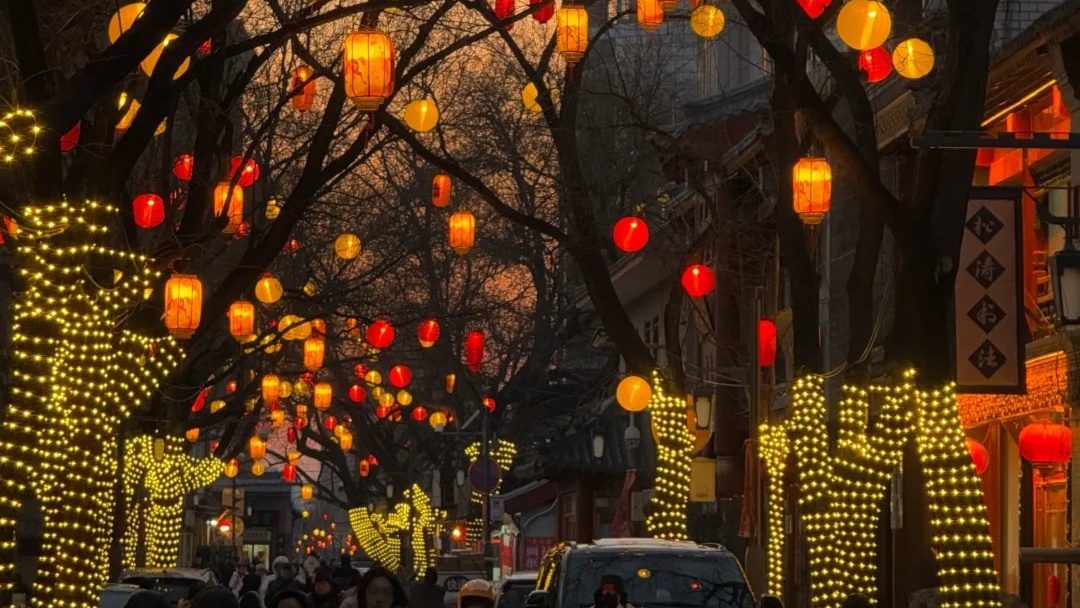
PHOTO 04 · Beijing traditional temple fair with red lanterns
Best for: Lanterns, Chinese history and a compact cultural city break. Suggested stay: 2–3 days.
Xi'an is a strong February choice because the city wall, historic streets and ancient sites form a natural setting for New Year light displays. The Terracotta Warriors give the visit a major historical anchor, while the Muslim Quarter and nearby streets add food and everyday city life. Depending on the year's programme, the city wall and other venues may hold lantern events that extend beyond New Year's Day.
Spend one day exploring the old city and city wall, another at the Terracotta Warriors, and a third on museums, neighbourhoods or evening lantern displays. Beijing and Xi'an make a sensible five-day cultural combination, connected by high-speed rail or air; choose the transfer that best fits your confirmed schedule.
February caution: Xi'an has cold mornings and evenings. Lantern display dates, admission arrangements and entry gates can change annually, so secure festival details before building an evening around them.
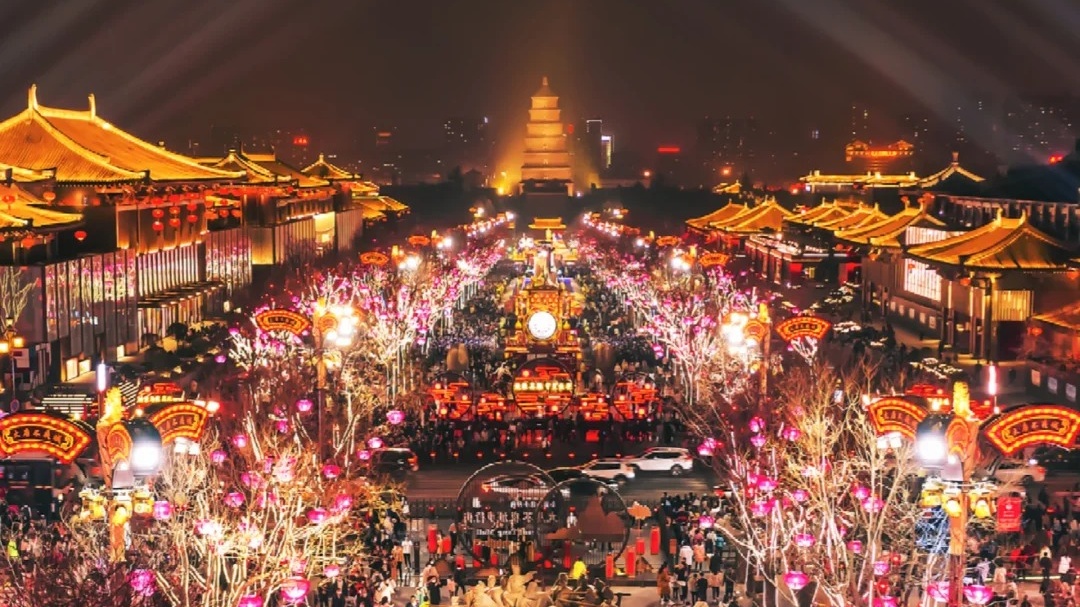
PHOTO 05 · Xi an city wall lantern displays at night · 1200 × 800
Best for: Pre-holiday flower markets, Cantonese food and a less wintry city experience. Suggested stay: 2–3 days.
Guangzhou offers a different side of Chinese New Year. In the days leading up to the festival, traditional flower markets can fill central streets with citrus trees, peach blossoms and colourful seasonal plants. The custom of buying flowers and decorations is closely tied to local wishes for a prosperous new year. Combine a market visit with a morning of dim sum, walks through older districts such as Xiguan, and the modern city along the Pearl River.
The timing matters more than the destination name: pre-New Year flower markets are not necessarily open throughout February. Some streets may also be temporarily closed to traffic. For 2027, decide whether your goal is to see the markets before February 6 or enjoy post-holiday urban sightseeing later in the month.
February caution: Guangzhou is generally milder than Beijing, but cloudy or damp spells are possible. Check the exact flower-market locations and dates once the local government releases its annual notices.
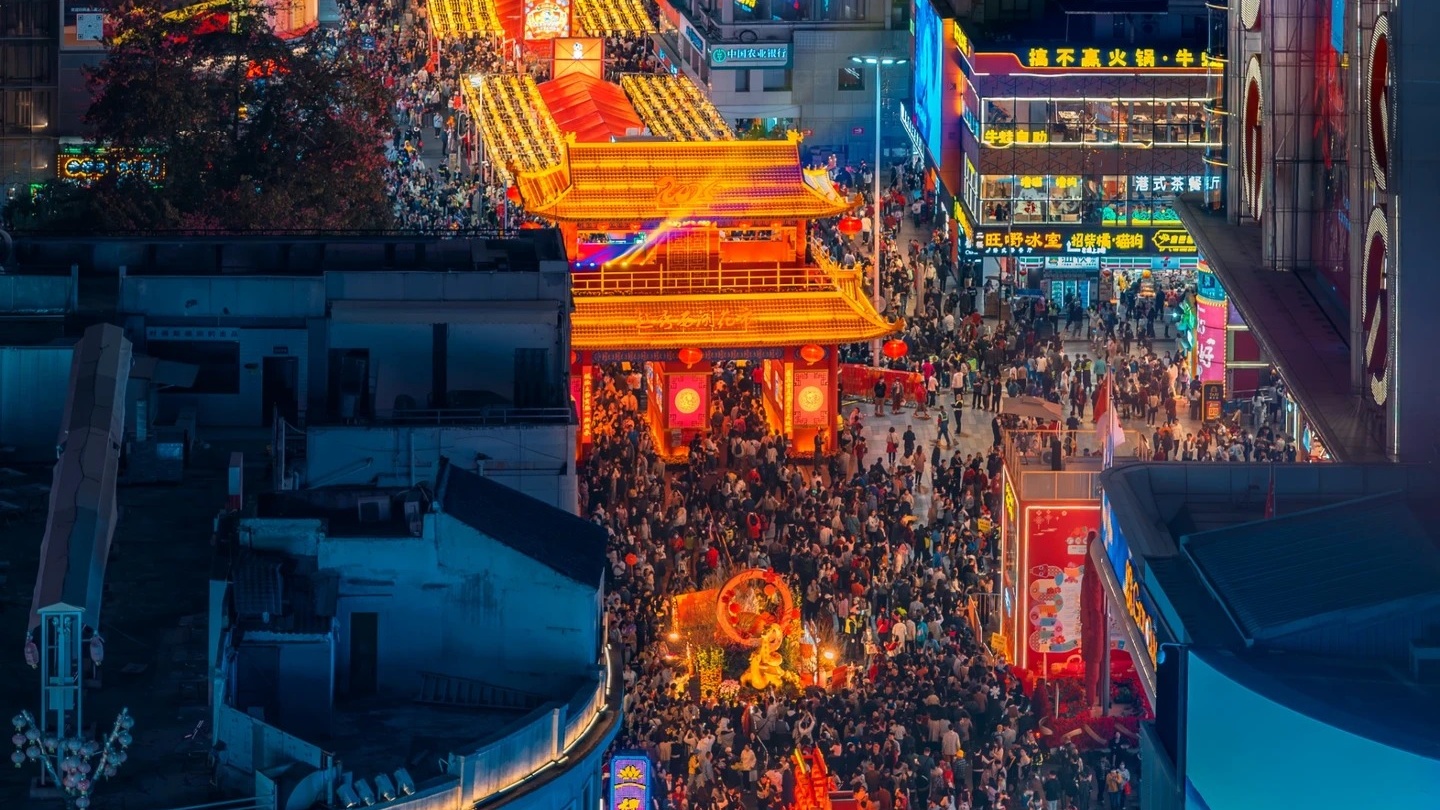
PHOTO 06 · Guangzhou pre New Year flower market · 1200 × 800
Best for: Pandas, neighbourhood culture, food and an easy introduction to western China. Suggested stay: 2–3 days.
Chengdu works particularly well in February because much of its appeal does not depend on perfect weather. Start with the Chengdu Research Base of Giant Panda Breeding, preferably early in the day when the animals may be more active. Later, spend time at a teahouse in People's Park, explore smaller lanes and try Sichuan dishes at a pace that suits you. Chengdu is best experienced as a city with its own daily rhythms—not just a transfer point for the mountains.
Consider pairing panda viewing with a food-focused afternoon, then leaving another day for teahouses, a museum or nearby cultural sights. In February, expect cool, sometimes overcast weather rather than reliable blue skies. Panda activities, specific teahouses and holiday restaurant hours should be verified before visiting.
For a longer holiday, Chengdu also connects naturally to Jiuzhaigou. Read the Chengdu Travel Guide for a more detailed city plan rather than squeezing every attraction into this monthly overview.
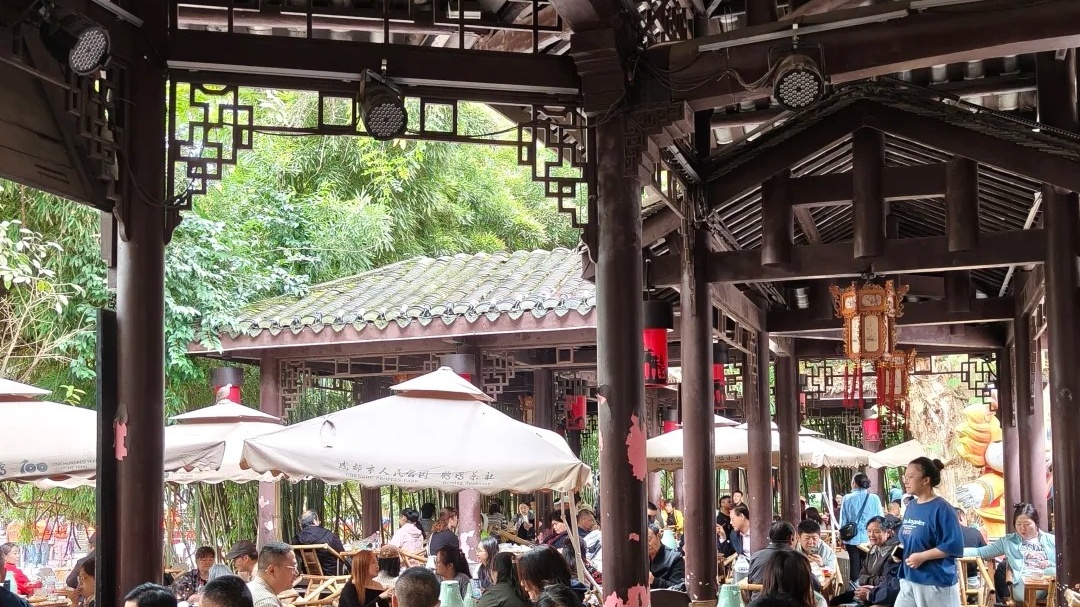
PHOTO 07 · Chengdu traditional teahouse daily life · 1200 × 800
Best for: Urban exploration, photography, local cuisine and dramatic city geography. Suggested stay: 2–3 days.
Chongqing's steep streets, layered buildings and bridges create an urban experience unlike most other Chinese cities. Walk through older hillside neighbourhoods, see the well-known Liziba rail-transit viewpoint, visit the Jiefangbei area and consider Hongyadong after dark. A hot-pot dinner is an ideal way to finish a chilly day, and there are plenty of milder dishes for visitors who do not enjoy strong chilli heat.
Unlike Chengdu's slower teahouse atmosphere, Chongqing is about exploring a city built on levels. Allow time for stairs, slopes and transit connections; distances that look short on a map may involve vertical detours. February often brings damp, cool weather and low cloud, so the skyline may be misty rather than clear.
Good combination: Two days in Chongqing and two in Chengdu give a useful contrast before a winter landscape extension to Jiuzhaigou. This is more comfortable than trying to visit every major attraction in both cities in two or three days.
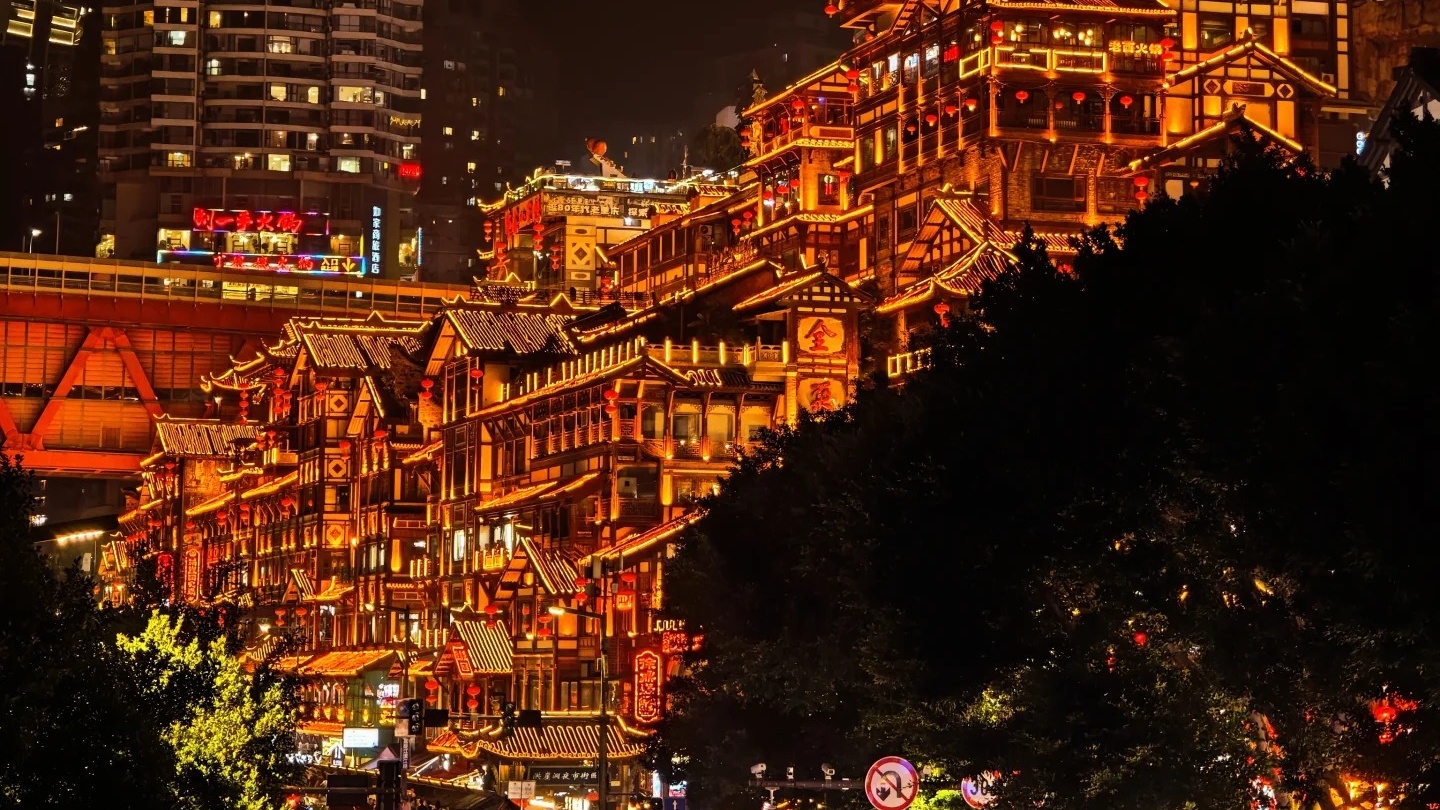
PHOTO 08 · Chongqing Hongyadong hillside skyline at night · 1200 × 800
Best for: Sunny walks, historic towns, mountain views and a slower Yunnan itinerary. Suggested stay: 4–5 days together.
Dali and Lijiang are a good choice for travellers who want dry-season highland scenery rather than tropical heat. Around Dali, spend time by Erhai Lake, visit Bai cultural neighbourhoods and enjoy views towards the Cangshan Mountains. In Lijiang, explore the old town, discover Naxi culture and consider a mountain excursion if the day's conditions and available transport allow it.
These places are often sunny in February, but sunshine does not mean warm nights. Their elevation can make early mornings and evenings distinctly cold, especially if you travel towards Jade Dragon Snow Mountain. A comfortable plan is two or three nights in Dali followed by two in Lijiang, linked by rail or road according to your hotel locations.
February caution: Expect larger variations between daytime sun and shaded areas. Avoid assuming every mountain cableway or viewpoint will operate in poor weather, and plan acclimatisation sensibly if continuing to higher elevations.
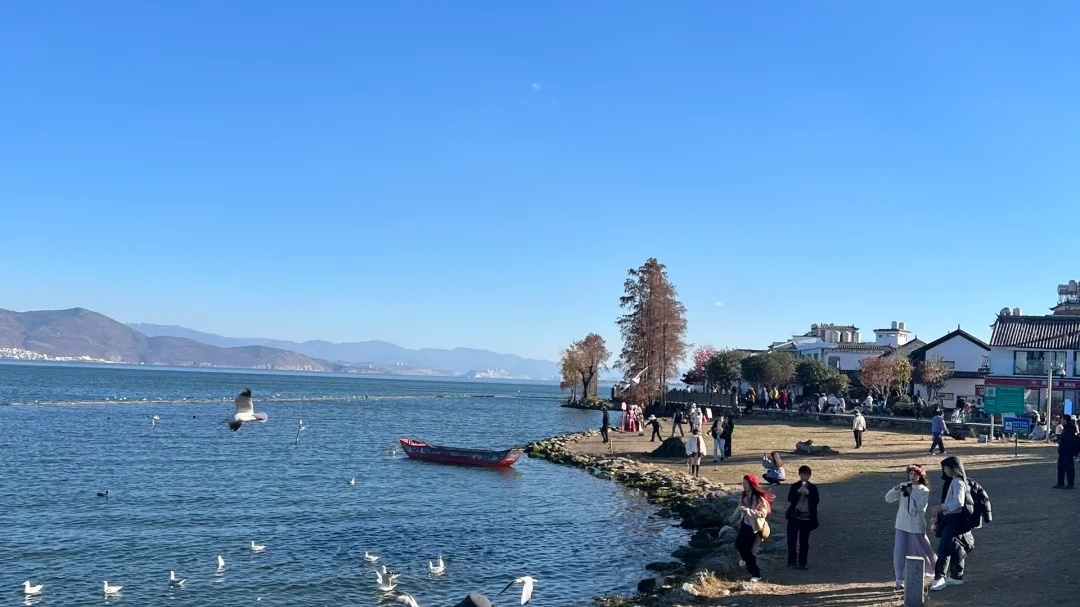
PHOTO 09 · Dali Erhai Lake with Cangshan mountains in February · 1200 × 800
Best for: Landscape photography, rural scenery and a possible early-spring flower experience. Suggested stay: 1–2 days when bloom conditions are favourable.
Luoping, in eastern Yunnan, is known for golden rapeseed fields stretching between rounded karst hills. On a good flowering day, viewpoints around the countryside reveal a very different China from the winter cities of the north. It is particularly appealing to photographers who prefer broad landscapes to urban attractions.
The crucial decision is whether flowers are actually blooming on your dates. In 2026, flowering fields were documented in late February, but annual timing varies with temperature and rainfall. Rather than promising peak bloom in a particular week, check local flower updates shortly before visiting. Luoping is not an effortless side trip from Dali or Lijiang; it fits more naturally into an eastern Yunnan itinerary involving Kunming and Qujing/Luoping transport connections.
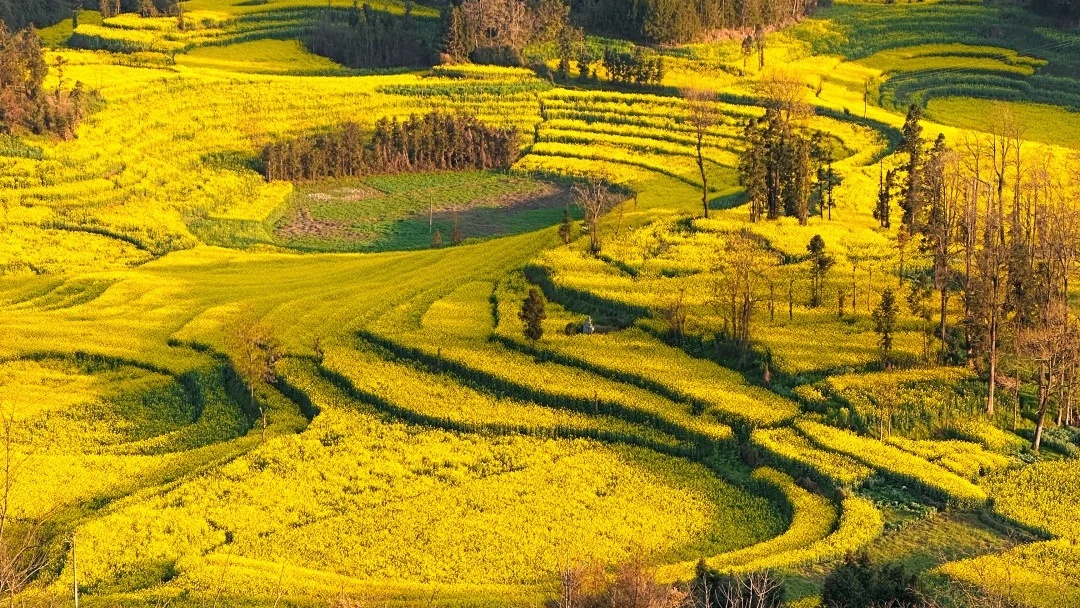
PHOTO 10 · Luoping rapeseed fields with karst hills · 1200 × 800
Related reading: Luoping Rapeseed Flower Guide.
Best for: Warmer weather, botanical gardens and cultural experiences. Suggested stay: 3–4 days.
Xishuangbanna is the Yunnan destination to choose if you want tropical plants and a noticeably warmer feel than Dali or Lijiang. Around Jinghong, the region's main urban hub, visitors can plan botanical-garden time, explore Dai cultural traditions and enjoy distinctive regional foods. Some experiences require longer road trips than a city map suggests, so group attractions by area rather than crossing the region repeatedly.
February generally falls in the drier part of the year, making outdoor activities appealing, although early mornings can still be cool and local conditions vary. Do not confuse Xishuangbanna's tropical climate with the plateau climate of northern Yunnan. These two versions of a Yunnan holiday suit different preferences.
February caution: Reserve accommodation ahead of Lunar New Year demand, and verify botanical garden access, specific cultural programmes and travel times before promising a fixed schedule.
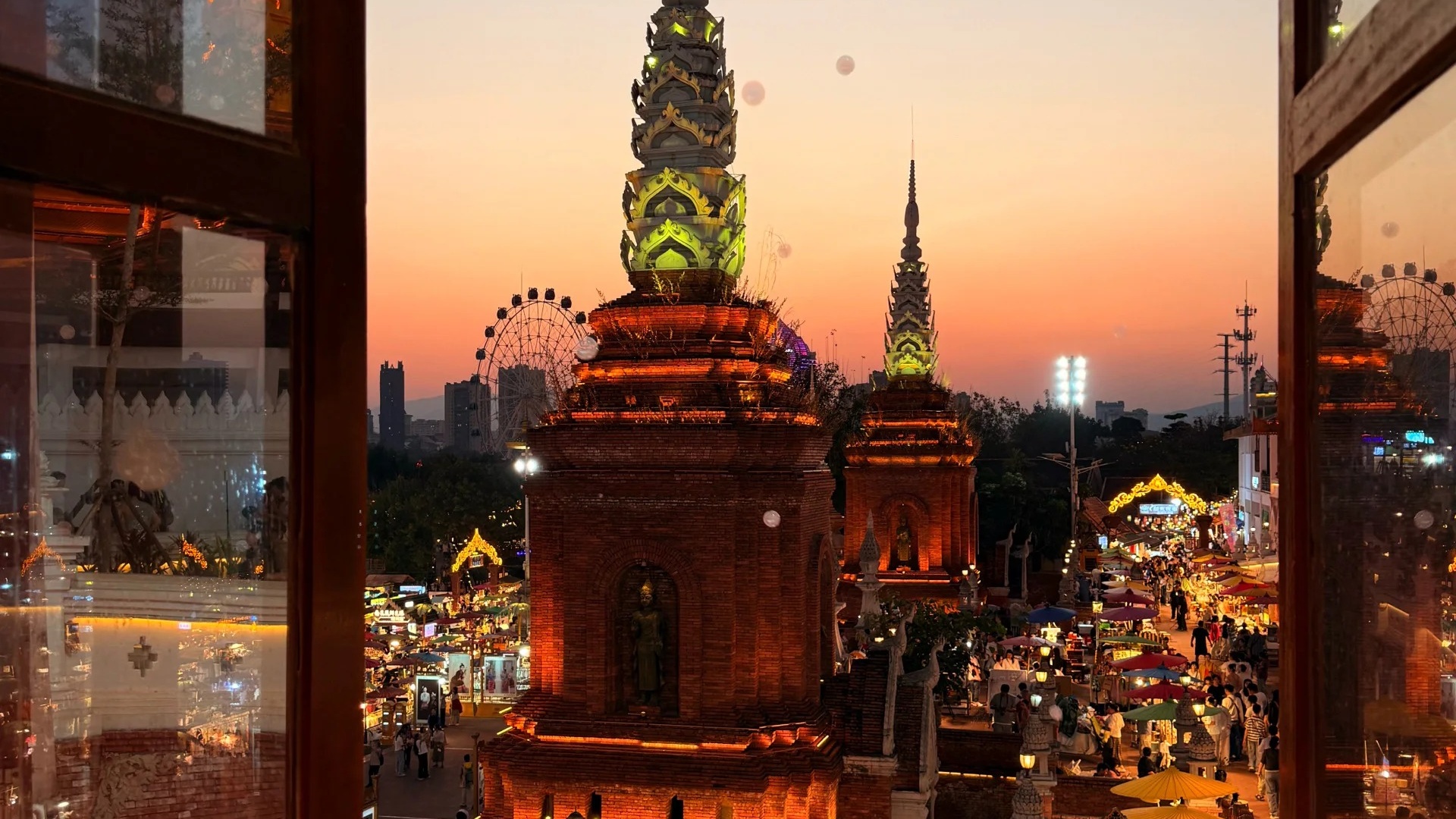
PHOTO 11 · Xishuangbanna tropical garden and Dai architecture · 1200 × 800
Best for: Relaxation, beach hotels and travellers who want a break from winter. Suggested stay: 3–5 days.
Sanya, on Hainan Island, is one of the most straightforward February options for a warm-weather getaway within China. Beachfront areas, palm-lined roads and resort facilities make it easy to build a holiday around swimming pools, walks by the sea and unhurried meals. It works especially well after a colder city itinerary, or as a stand-alone family break.
The weather is usually considerably milder than northern China, but warm air is not the same as guaranteed beach-swimming conditions. Sea temperatures, wind, rainfall and swimming restrictions vary. Choose your hotel area according to whether you prioritise a quiet resort, accessible restaurants or local exploration.
February caution: Lunar New Year can be a peak-demand period for rooms and domestic flights. Compare cancellation rules before booking and do not assume that every water activity operates in all conditions.
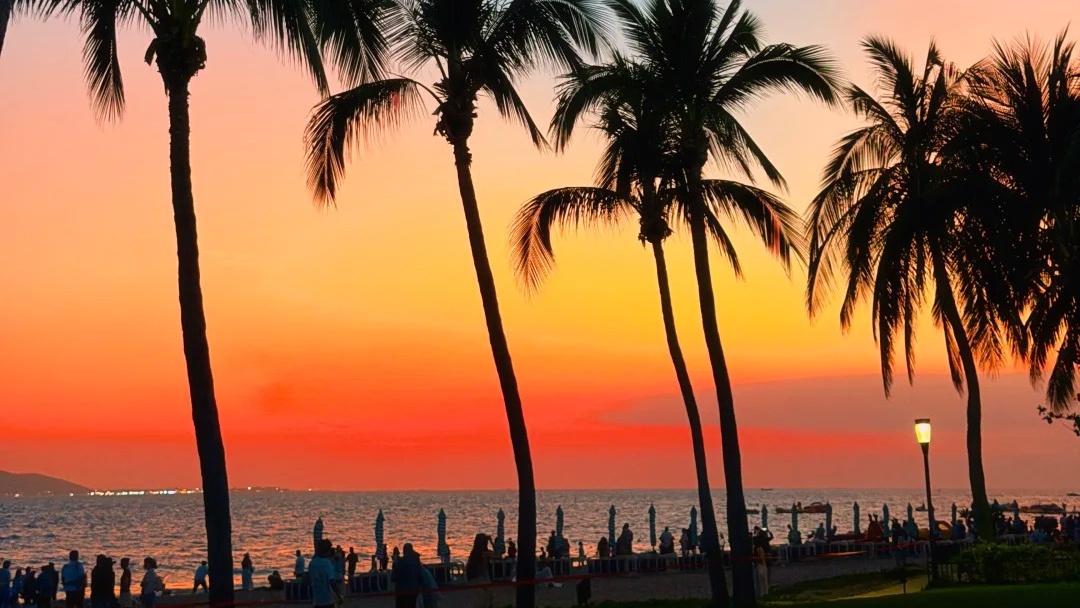
PHOTO 12 · Sanya coconut beach in winter sunshine · 1200 × 800
China crosses several climate zones, so a single national temperature forecast is not useful for planning. The most practical comparison is how the weather feels and what it changes about your day.
If you are combining northern China with Yunnan or Hainan, plan for two different sets of clothing rather than packing for one imagined 'China winter'.
For multi-city journeys, compare travel modes in Getting Around China. Train journeys between large cities and mountain-road connections into scenic areas require different planning.
Days 1–3: Beijing. See the Forbidden City, Temple of Heaven and a hutong district. Use the third day for a Great Wall visit or a confirmed seasonal celebration.
Days 4–5: Xi'an. Travel between the cities, then focus on the city wall and old town before visiting the Terracotta Warriors. Book any festival-specific admission separately and leave enough time for your onward train or flight.
Why it works: Two major historical centres with a clear theme and no unnecessary detours. It is better for culture than for warm weather.
Days 1–2: Chongqing. Explore its hillside neighbourhoods, riverfront viewpoints and food scene.
Days 3–4: Chengdu. Travel by rail, then see giant pandas and experience teahouses and Sichuan cuisine.
Day 5: Transfer towards Jiuzhaigou. Take a suitable train towards Huanglongjiuzhai station followed by a booked road transfer, or choose an appropriately planned road journey. Stay near the scenic-area entrance.
Day 6: Jiuzhaigou Valley. Spend a full day in the officially open sightseeing areas.
Day 7: Return or onward travel. Allow enough time for transfers and avoid a tight same-day international flight connection.
Why it works: Two different western Chinese cities followed by one major natural highlight. Winter mountain conditions and holiday traffic still require a flexible plan. For a more detailed version, see 7 Days in Chongqing, Chengdu and Jiuzhaigou in Winter.
Day 1: Kunming. Arrive, adjust to your schedule and see part of the city.
Days 2–4: Dali. Enjoy Erhai Lake, local neighbourhoods and an unhurried pace.
Days 5–7: Lijiang. Explore the old town and make an optional mountain outing if conditions allow.
Why it works: It prioritises comfortable pacing and landscapes over checking off distant attractions. Luoping is not included; add it only by redesigning the route around flower conditions and extra travel time.
In 2027, Lunar New Year's Eve is February 5, Chinese New Year is February 6, and the Lantern Festival is February 20. These dates are not the same thing as the mainland's full official holiday and adjusted workday schedule, which needs to be checked when published.
Travel demand can rise before and after the main holiday as people visit family or take vacations. China's official railway platform, 12306, accepts eligible foreign passports for ticket purchases. As of the latest rules checked for this guide, the usual railway advance-sale window is 15 days including the departure date, although the operator can adjust arrangements. Complete any passport verification in advance and keep the original document used for booking. See the China Train Guide for the fuller booking process.
A lantern show, temple fair or flower market may run for only selected dates. A museum may use holiday opening hours; a family-run restaurant may close temporarily; a major shopping district may remain busy. Check each attraction's own notice rather than assuming everything is either open or shut for the entire festival.
High-demand trains, family rooms, popular resort hotels and special ticketed events are worth planning early. Keep some flexibility for ordinary restaurant choices. If your goal is to experience traditional New Year activities, make sure your itinerary actually overlaps with their confirmed dates—not merely with the month of February.
For a dedicated explanation of travel logistics, see Traveling in China During Chinese New Year.
New to China? Start with First Trip to China for arrival basics, Paying in China for overseas cards and payment backups, and China Travel Apps for transport, maps and communication.
There is no single winner. Choose Harbin for ice attractions, Jiuzhaigou for winter lakes and mountains, Beijing or Xi'an for culture around New Year, Chengdu and Chongqing for food and city life, and Sanya or Xishuangbanna for a generally warmer trip.
Not everywhere. Northern cities and mountain destinations can be very cold, but Guangzhou, Xishuangbanna and Sanya are often much milder. You should compare the weather in your chosen cities, not a national average.
Harbin is a strong option for established winter activities, while Jiuzhaigou offers the possibility of snow-covered mountains and icy waterfalls. However, snow on a particular day is never guaranteed; check current conditions before travel.
Yes, especially if you want temple fairs, lanterns and seasonal traditions. The trade-off is higher demand on some transport routes and at popular hotels or attractions. Confirm event dates and reserve important journeys early.
Yes. Both cities have plenty to do without depending on clear skies. Expect cool or damp conditions, and allow enough time to appreciate Chengdu's teahouse-and-panda experiences separately from Chongqing's hillsides and food culture.
Possibly. Luoping's rapeseed flowers may begin showing well in February, with some years producing impressive late-month landscapes. Flowering dates change from year to year, so treat bloom forecasts as a last-minute planning input rather than a promise.
Choose Yunnan for contrasting landscapes, local cultures, mountain towns or tropical botanical gardens—depending on the region. Choose Hainan, especially Sanya, for an easier beach-resort break. Dali and Lijiang should not be mistaken for tropical destinations simply because they are in southern China.
If you're comparing destinations across the year, start with Best Time to Visit China. For a city-and-mountains journey, combine the Chengdu Travel Guide, Jiuzhaigou Travel Guide, and Chengdu to Jiuzhaigou transport guide. These guides cover the details that do not need to be repeated in a February overview.

Nacayo Travel is a China-based local travel specialist helping international visitors plan tailored journeys, private tours and local experiences. If you're considering Sichuan, Chongqing or a multi-city winter trip, our team can discuss route choices, suitable transport connections and a pace that fits your travel dates. Specific arrangements depend on availability and local conditions.
NACAYO TRAVEL · China-Based Local Travel Specialists
Tailor-Made Travel · Private Tours · Local Experiences
TRUST FIRST. FUN FOLLOWS.
Ask Nacayo Travel about your February trip