


Nacayo
旅游攻略
CHINA TRAVEL GUIDE · MAY DESTINATIONS · UPDATED OCTOBER 2026
Green Valleys, Historic Cities & Highland Flowers
May can be one of the most flexible months for traveling in China. Beijing's historic sites and the canal towns around Shanghai are increasingly green, Sichuan's alpine valleys begin their warmer visiting season, Yunnan's highlands enter a striking rhododendron season, and the Ili grasslands of Xinjiang start turning green beneath snowy mountains. But May is not one uniform spring: southern regions can be rainy, plateau nights stay cold, and the Labor Day holiday brings intense domestic travel demand.
The short answer: For a first-time visit, choose Beijing, Hangzhou and Suzhou, or Guilin and Yangshuo. For mountain lakes and dramatic landscapes, consider Jiuzhaigou, Mount Siguniang, and Zhangjiajie. For food and local life, choose Chengdu or Chongqing. For highland towns and seasonal flowers, look at Dali and Lijiang, Shangri-La, and Ili's Nalati grasslands. These are different journeys, not eleven stops to squeeze into one trip.
New to China? Start with First Trip to China for entry, address, payment and arrival essentials.
Plan carefully around May 1, 2027. Labor Day falls on a Saturday. The exact mainland-China holiday and make-up-work timetable for 2027 had not yet been confirmed at the time of this review; do not treat another year's holiday dates as the 2027 schedule. In 2026, popular dates at both Jiuzhaigou and Mount Siguniang sold out, showing why holiday accommodation, transport, and attraction reservations deserve special attention.
A single city forecast cannot tell you what to pack for an itinerary crossing eastern cities, southwestern mountains, and Xinjiang grasslands. At low elevations, May often brings leafy streets and warm daytime walks. In rainy southern districts, it can also bring showers, mist, slippery paths, or temporary adjustments to boat services. At higher elevations, strong sunlight and cold mornings are possible on the same day.
Quick destination selector
| Your main interest | Consider | Best planning note |
|---|---|---|
| First-time culture and the Great Wall | Beijing | Reserve high-demand sights; be ready for sun and wind |
| Gardens, tea hills and old towns | Hangzhou & Suzhou | Expect occasional spring rain; keep a flexible garden day |
| Karst scenery and rural cycling | Guilin & Yangshuo | Rain can affect river cruising and outdoor plans |
| Sandstone peaks and forest walks | Zhangjiajie | Clouds add atmosphere but can obscure viewpoints |
| Pandas, teahouses and Sichuan cuisine | Chengdu | A convenient base for several regional trips |
| Alpine lakes and waterfalls | Jiuzhaigou | Reserve admission; the rail station is not the park entrance |
| Snow peaks and accessible valley scenery | Mount Siguniang | Dress for altitude; Shuangqiao Valley differs from trekking routes |
| Food, steep streets and urban views | Chongqing | Warmer, potentially humid conditions; not a cool mountain escape |
| Ancient towns and sunny highland landscapes | Dali & Lijiang | Allow time between places; mornings and evenings can be cool |
| Highland flowers and Tibetan-influenced culture | Shangri-La | Flower timing depends on altitude and annual weather |
| Green meadows with snow-capped mountains | Ili / Nalati | May greens up; peak flower displays differ by location and date |
Early May versus late May: If you are traveling during the Labor Day period, prioritize a smaller number of places and confirm bookings before moving. Later in May, some well-known sites may feel less pressured outside weekends, while warmer and wetter weather becomes more relevant to southern routes. High-altitude flowers, irrigated rice terraces, and grassland colors change week by week: photographs taken in late May should not be presented as a promise for May 2.
Compare other seasons: Best Time to Visit China explains how changing altitude and region affects the right month.
May is a practical time to combine Beijing's major historical sites with neighborhood wandering. The Forbidden City and Temple of Heaven are substantial visits rather than quick photo stops; leave time for security, walking and timed-entry arrangements. A stroll around the hutongs gives a different perspective on daily Beijing life, especially when paired with a neighborhood lunch or a quiet park rather than another large monument.
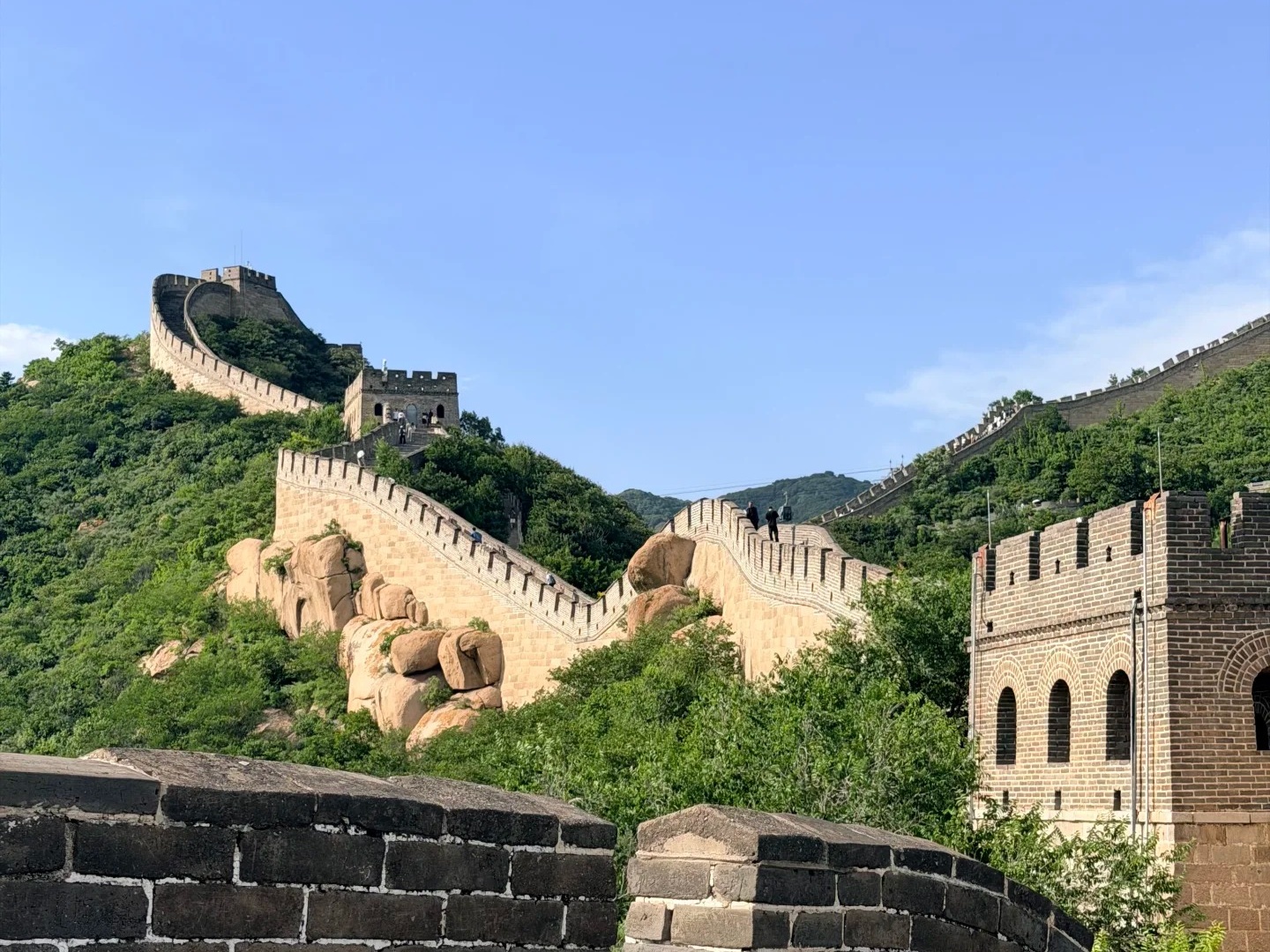
For a Great Wall day, choose the section according to your group. Mutianyu is a common choice for visitors looking for an accessible, managed visit, while other sections have different walking requirements. Travel time and traffic should be evaluated door to door, especially on holidays. Spring conditions can be dry or breezy, so bring water, sun protection and a layer even when the city forecast looks mild.
Allow: 3–4 days in Beijing, with one full day for the Great Wall if that is a priority. Good for: first-time visitors, families and history-focused travelers. Check: official ticket requirements, museum opening days, and the chosen Great Wall section's operations. Pair Beijing with another northern or eastern city only if your overall trip is long enough.
Before booking: China Visa Guide helps you check the right entry route for your passport and itinerary.
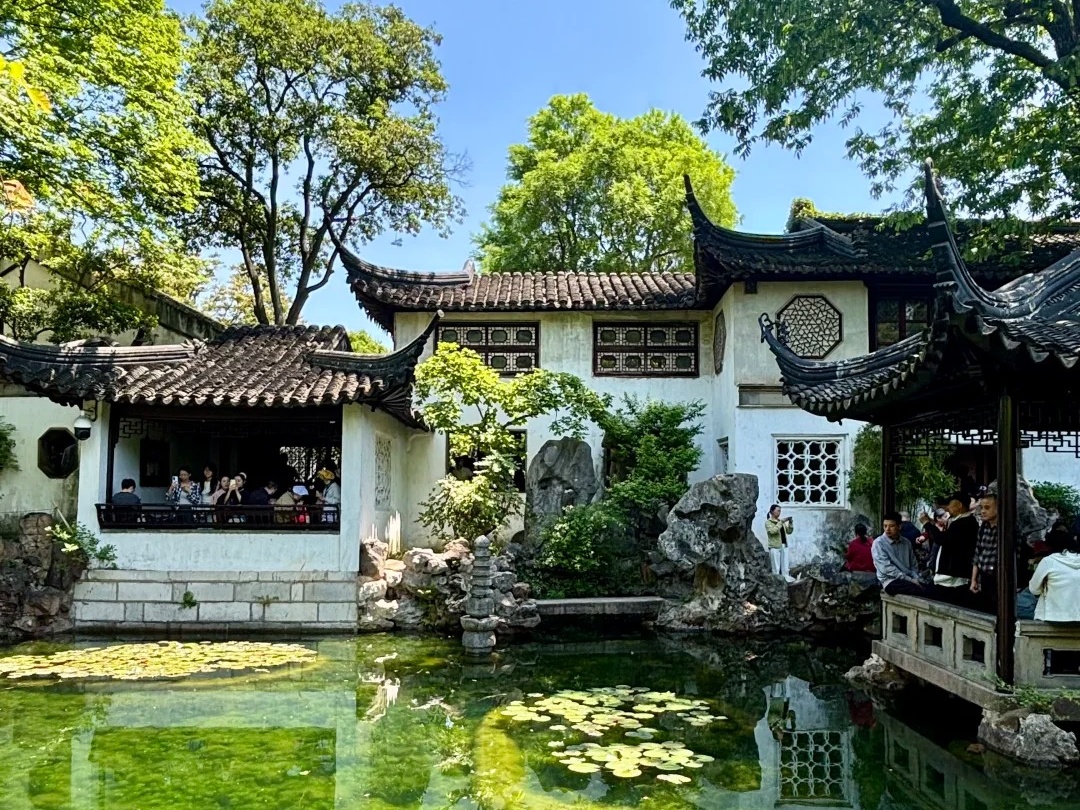
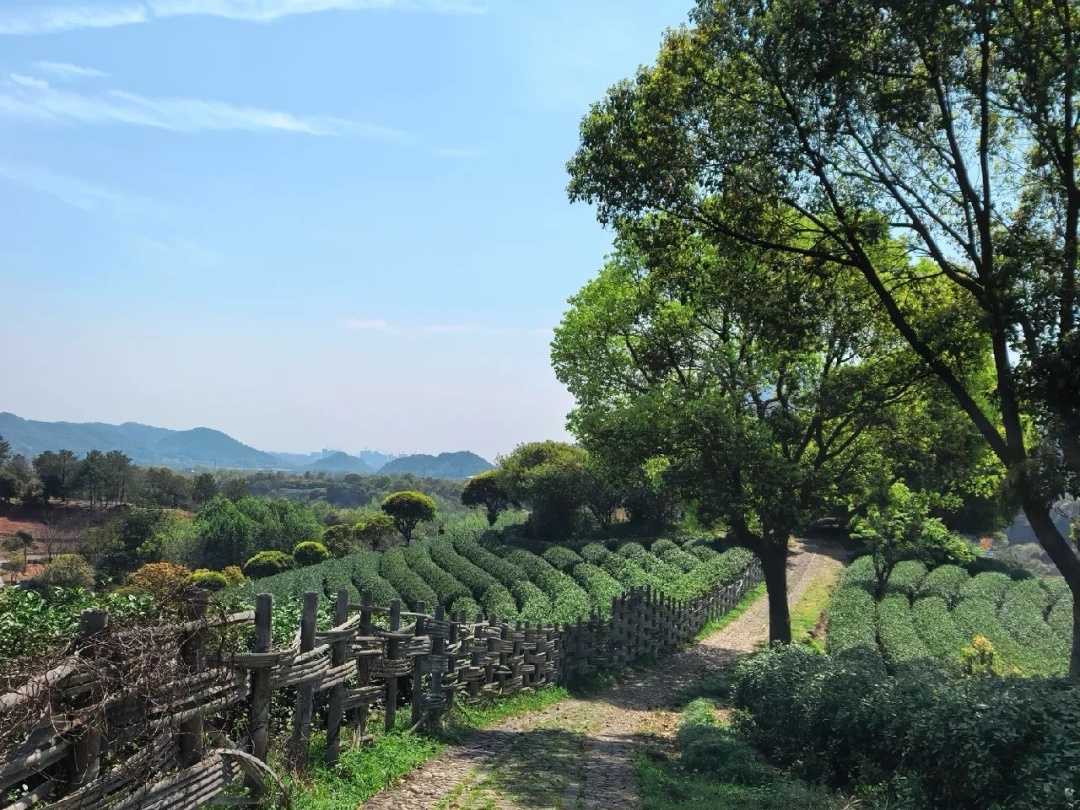
These neighboring Jiangnan destinations work best as a two-city combination, not as a list of identical 'water towns.' Hangzhou brings West Lake, leafy walking routes, green tea culture and surrounding hills. In May, tea-growing villages and the experience of drinking local tea remain attractive, but travelers should not expect to observe the earliest pre-Qingming tea harvest. The tea calendar starts earlier than May, and actual activities depend on the grower and season.
Suzhou is more about carefully designed gardens, canals and historical streets. Visiting one or two gardens slowly is more rewarding than racing between many similarly structured sites. Combine a garden with the quieter atmosphere of an old street or canal district. Rain can work visually for stone bridges and courtyards, but it is worth keeping an indoor alternative for heavy showers.
Allow: 3–4 days across the two cities, with a sensible railway transfer and possibly Shanghai as your arrival or departure hub. Good for: couples, architecture and garden lovers, first-time visitors who prefer gentle walking. Check: garden admission arrangements and the exact railway stations. A morning in Hangzhou and an afternoon in Suzhou leaves too little time to appreciate either city.
Practical rail help: China Train Guide explains stations, foreign-passport bookings and boarding.
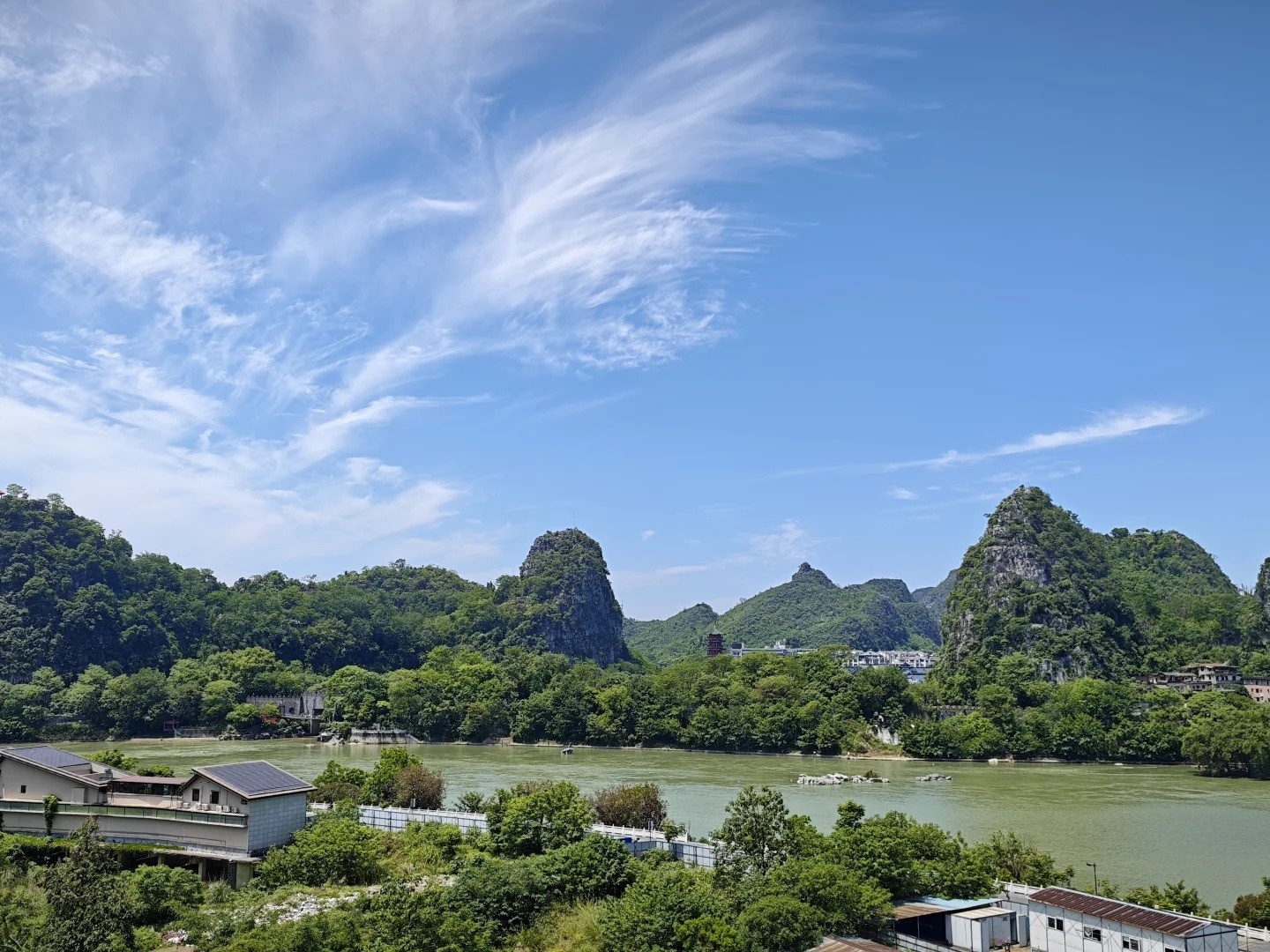
May brings rich green hills, farming landscapes and changing light to Guilin and Yangshuo. The classic draw is the landscape of limestone peaks along the Li River, but you do not have to spend every day on the water. Staying in Yangshuo also gives you access to village lanes, rural cycling routes where appropriate, riverside walks, and viewpoints that suit a more relaxed pace than a succession of organized stops.
The important May trade-off is rain. Mist can make the scenery memorable, but strong rain can alter river conditions, affect outdoor activities and limit some planned boat or bamboo-rafting experiences. Don't promise a specific cruise, uninterrupted clear views, or a fixed rafting route without checking the operator and weather close to the travel date.
If you want to see the Longji Rice Terraces, treat them as a separate excursion requiring substantial road travel. Some terraces are filled with water for planting in the spring-to-early-summer period, but exact flooding and planting dates vary between villages and years. Do not assume a mirror-like view everywhere throughout May.
Allow: 3–5 days including Yangshuo; more if visiting Longji. Good for: photography, outdoor scenery, couples and family travelers comfortable with variable weather. Check: boat operations, rain forecasts and whether your chosen terrace area has begun irrigation.
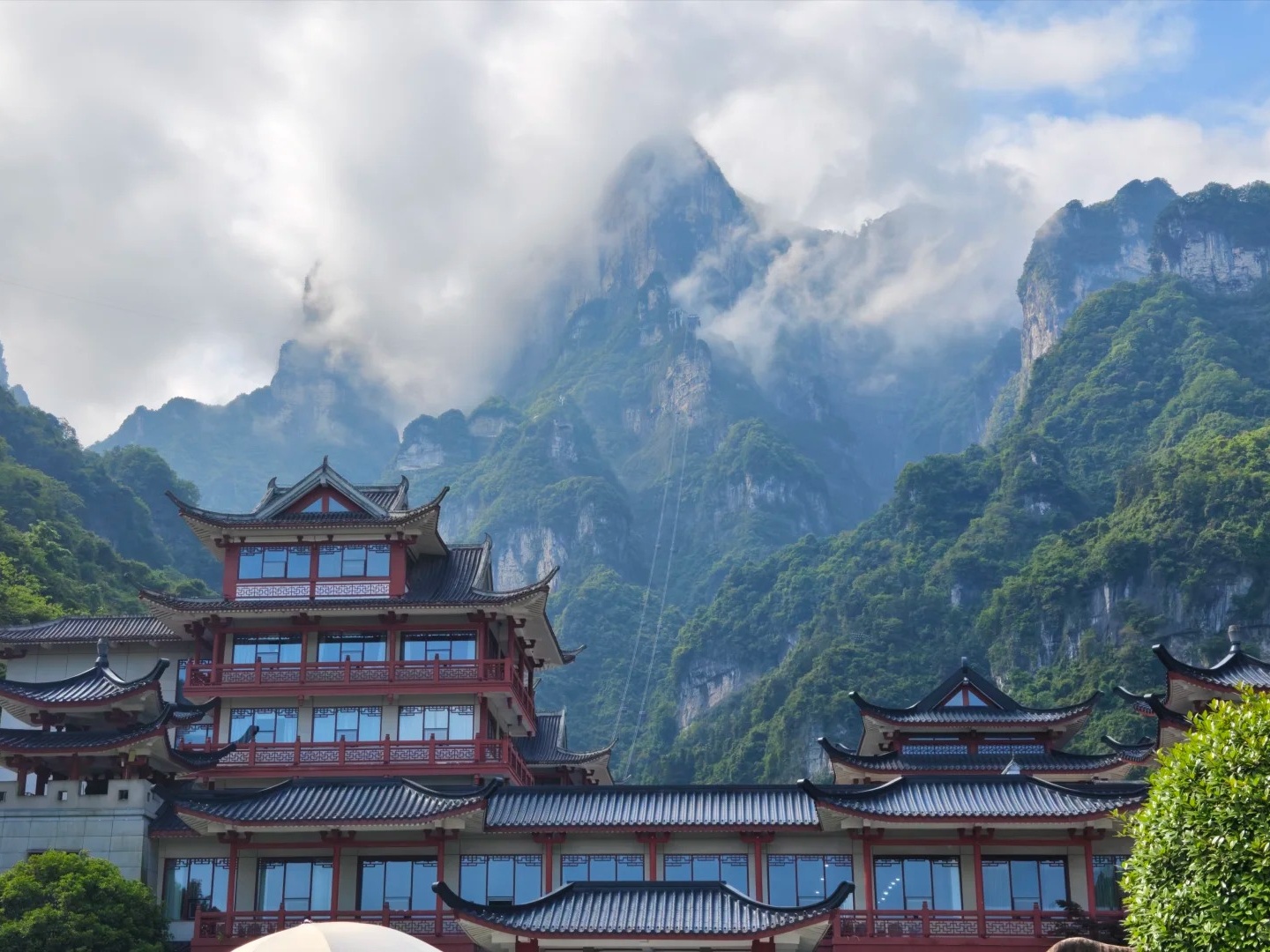
Zhangjiajie is a strong choice for travelers who value unusual mountain scenery over consistent sunshine. In May, vegetation is green and the famous pillars can rise through low cloud after rain. The same clouds that make memorable photographs may also block an upper viewpoint for hours. Build your schedule around having several possible viewpoints, not one photograph that must happen on one particular morning.
Distinguish the Zhangjiajie National Forest Park area from Tianmen Mountain. They are separate visitor experiences, often requiring separate days, reservations and transfers. Inside the larger forest park, shuttle buses, lifts and long walking distances may affect your choice of route. Tianmen Mountain has its own access arrangements and can experience weather-related limitations.
Allow: 3–4 days if visiting both major areas without rushing. Good for: nature lovers, energetic families and photographers. Check: local weather warnings, ticketing and the operating status of cableways or high-level routes. Wear shoes with reliable grip when paths are wet.
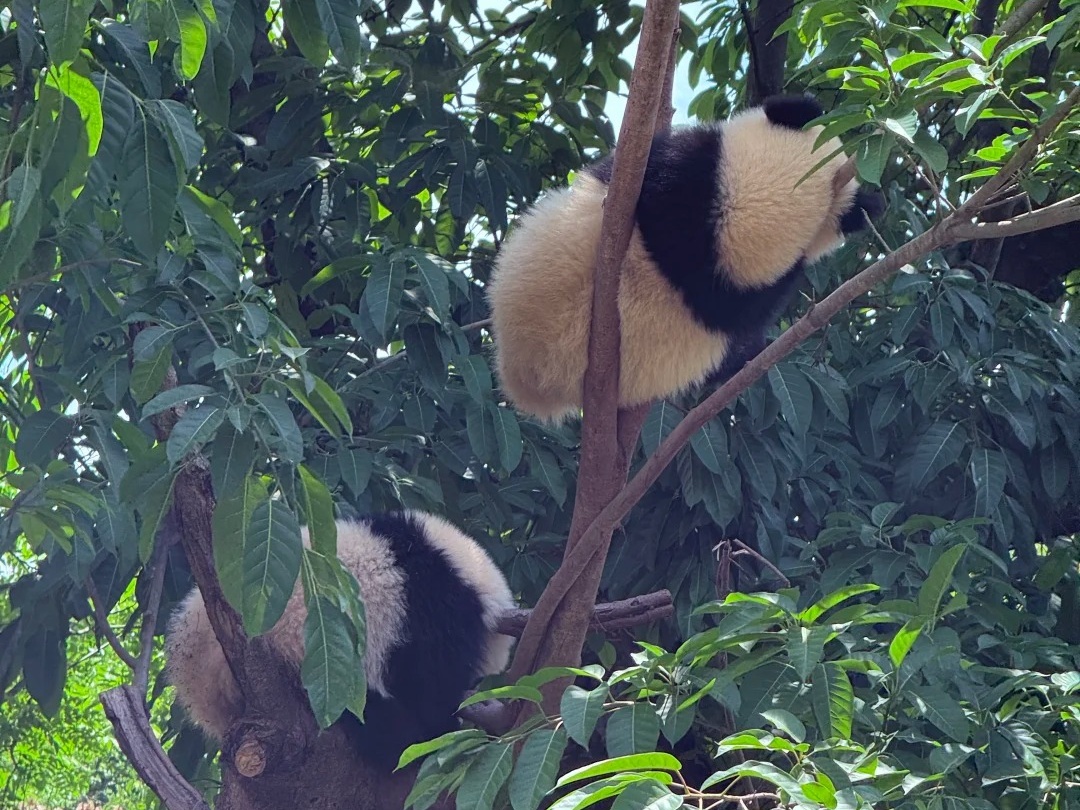
Chengdu makes sense in May whether or not you travel onward to the mountains. Start a panda-base visit early in the day when practical, then spend another part of your stay away from headline attractions. People's Park and traditional teahouses offer a slower rhythm; food streets and neighborhood restaurants reveal more than a single standardized hot-pot dinner. Allow time for a museum or cultural stop based on your interests rather than packing every sight into the same day.
The city can feel warm and humid, but the weather in Chengdu tells you little about the snow-capped valleys several hours away. That distinction matters when you use the city as a starting point for Jiuzhaigou or Mount Siguniang. Sanxingdui is a worthwhile separate outing for travelers interested in ancient civilization; treat it as a substantial museum visit with its own reservation and transport planning.
Allow: 2–3 days for the city alone. Good for: panda fans, food lovers, multigenerational groups and travelers building a Sichuan route. Check: panda-base or museum admission requirements before planning fixed days. A trip to the mountains should not be described as a casual urban day trip.
In-depth destination option (planned): Chengdu & Western Sichuan in May.
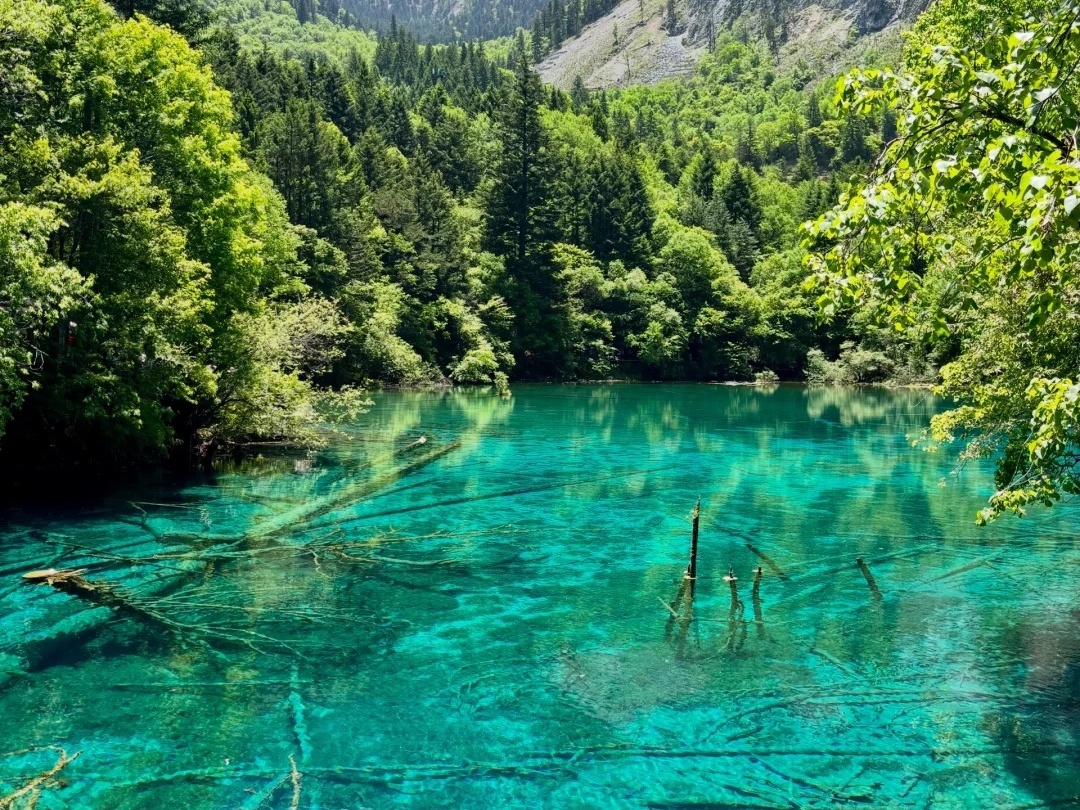
The clearest reason to visit Jiuzhaigou in May is the combination of distinctively colored lakes, waterfalls and forests emerging into late spring. The landscape is not the same as the autumn foliage season, and it need not be. Aim to spend a proper full day exploring the park's established sightseeing routes instead of treating it as a photo stop between two long transfers.
For 2026, the park's official notice said full-area opening resumed on April 1, with peak-season management in effect. Another official notice reported that admission for May 2, 2026 reached the daily limit of 41,000 bookings. These are historical facts, not guaranteed 2027 rules or a promise of which route will be available next May. Check the current official booking channel, opening sections and relevant notices before paying for nearby hotels.
The crucial transport distinction: reaching Huanglongjiuzhai Railway Station is not reaching Jiuzhaigou Scenic Area. The station is approximately 90 km from the park, so the journey still needs a road transfer. Confirm the service, pickup point, destination hotel and last part of your route; do not assume an English-language booking interface describes everything after the train.
Allow: one full park day plus transport and overnight time; typically 3–4 days from Chengdu for a sensible pace. Good for: scenery-focused visitors and families prepared for some walking and altitude. Check: official tickets, shuttle arrangements, road conditions and the actual station name on your train booking.
Plan the last mile: How to Get from Chengdu to Jiuzhaigou (planned guide).
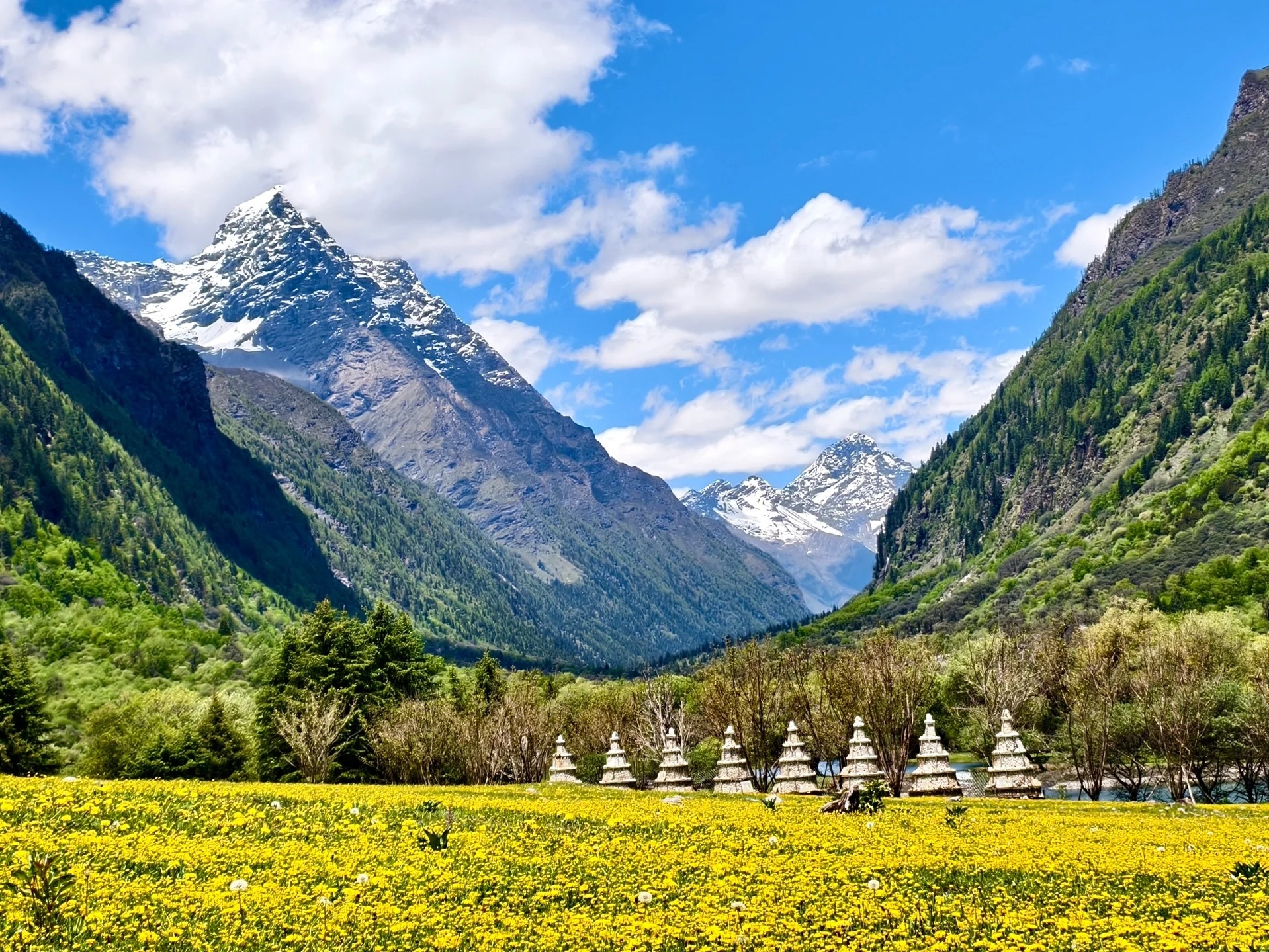
Mount Siguniang offers a very different May trip from Chengdu city. The peaks remain high and cold while the valleys move into their green season; mountain weather can shift quickly within a single day. Shuangqiao Valley is the most straightforward introduction for many visitors, with its managed park transport and designated walking stops. It is not the same experience as committing to longer walking routes in Changping Valley or Haizi Valley.
The journey also requires realistic road planning. An early start, mountain roads, changing conditions and an overnight stay near the mountain can make the difference between enjoying the scenery and spending most of the day in a vehicle. Avoid describing Mount Siguniang as 'easy because Chengdu is warm.' Cold air, UV exposure and altitude still matter, even for a short sightseeing walk.
On May 1 and 2, 2026, Shuangqiao Valley tickets were reported fully reserved by the scenic-area authority. That is a useful reminder to check 2027 availability rather than relying on arrival-day purchases during the holiday period.
Allow: 2–3 days from Chengdu for most casual sightseeing plans. Good for: mountain scenery, photography and travelers seeking a highland landscape without committing to an expedition. Check: official reservations, road advisories, suitable clothing and the differences among the three valleys.
Choose the right valley: Mount Siguniang Spring Travel Guide (planned guide).
Chongqing is not on this list because it offers cool May mountain weather. It belongs because its urban landscape, food and public life are genuinely different from other Chinese cities. Take time to understand how steep roads, bridges, lifts and transit layers intersect. Liziba Station, older streets and an evening along the riverside provide better variety than spending an entire visit at one famous nighttime viewpoint.
Plan outside walking in the morning or late afternoon when possible, and allow breaks if the city feels warm or humid. Rain can affect river views, and iconic skyline photographs depend on visibility. The travel value is still strong even when the night sky is not clear: hot pot, local neighborhoods, and the city's vertical geography don't disappear with cloud cover.
Allow: 2–3 days. Good for: food-focused visitors, architecture and city explorers, travelers combining two southwestern cities. Travel connection: Chengdu and Chongqing are a natural high-speed-rail pairing, but check the exact departure and arrival stations, because both metropolitan areas have multiple transport hubs.
Getting between city centers: Getting Around China covers rail, metro, taxis and arranged transfers.
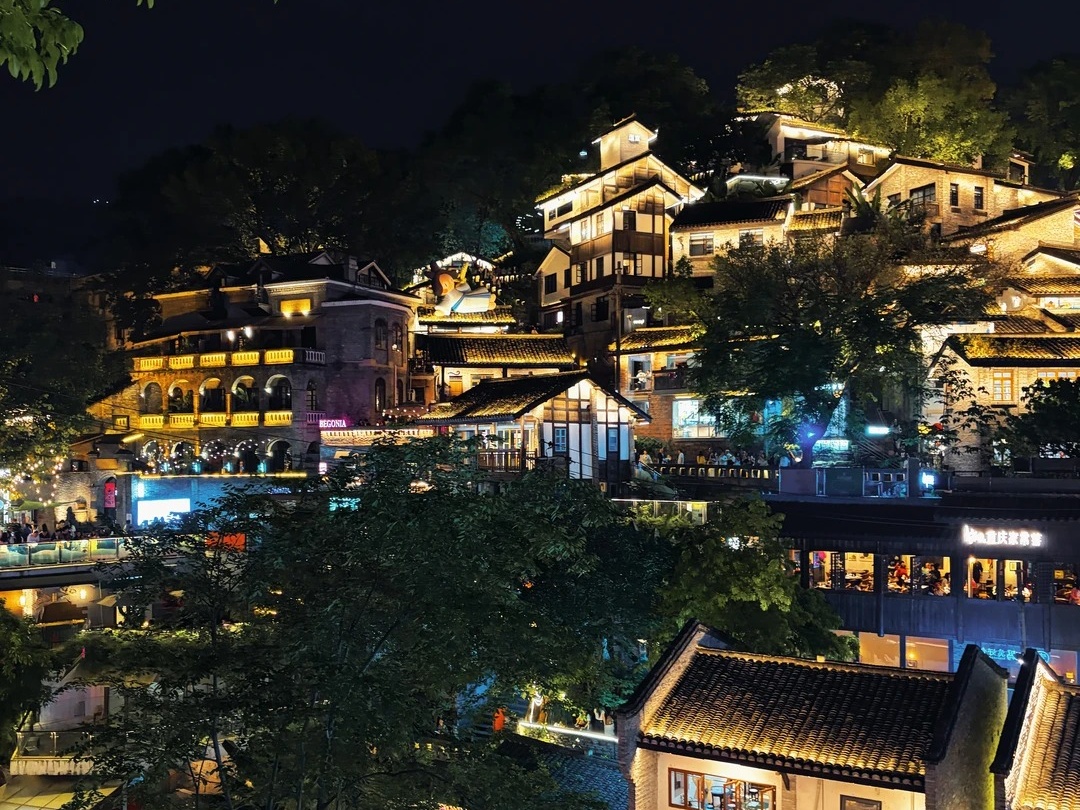
Dali and Lijiang share a place in many Yunnan routes, but they are not interchangeable. In Dali, a slower plan around Erhai Lake, nearby villages and Bai cultural settings works well for travelers who want scenery with gentle exploration. In Lijiang, the older townscape, Naxi cultural context and views toward Jade Dragon Snow Mountain create a different rhythm. Start with one or two meaningful experiences in each rather than accumulating viewpoints that require long vehicle transfers.
May can offer comfortable daytime touring, but elevation still produces cooler mornings and evenings. As the wet season approaches, be prepared for occasional rain rather than assuming every day is dry. If including Jade Dragon Snow Mountain, research the actual visitor route and any high-altitude restrictions, and do not promise that every cableway will operate on your chosen day.
Allow: 4–5 days for a two-city visit. Good for: couples, culture-focused travelers and families who prefer not to change hotels daily. Check: intercity transfer options, altitude, weather and access arrangements for any mountain excursion.
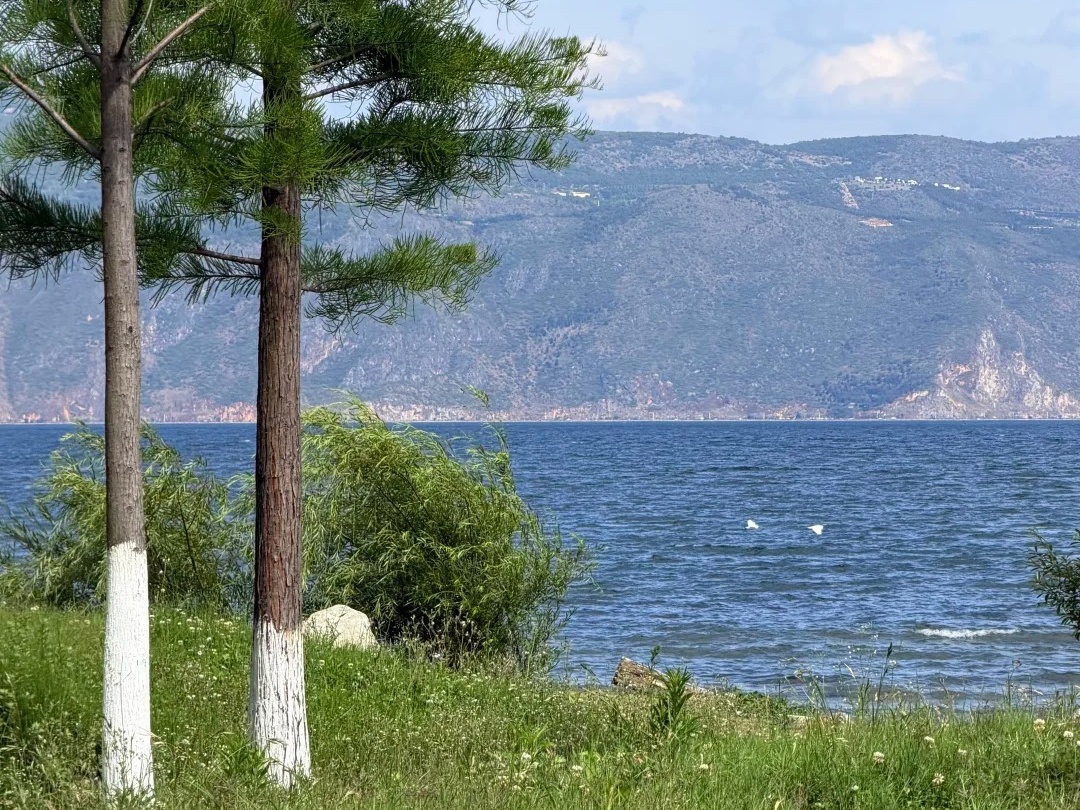
If your priority is a landscape that feels different from springtime in China's lowland cities, Shangri-La deserves consideration. Parts of the Diqing highlands see rhododendrons flowering at different elevations around May, while meadows, forests and mountain backdrops begin their seasonal transition. The exact location and date matter more than a generic claim that 'Shangri-La is covered in flowers throughout May.'
The regional government and local media documented a major highland flower season in May 2026, including the Xiao Zhongdian area and a late-May flower-focused event. Those observations support the seasonal recommendation but cannot guarantee the bloom at a specific viewpoint in 2027. Give yourself time to explore cultural sites and plateau environments whether or not the flowers are at their most photogenic.
Shangri-La also involves a higher altitude than Dali or Lijiang. Plan a slower first day, take care with exertion, and treat medical concerns as something to discuss with a qualified professional before traveling if relevant. Visitors should not consider a fashionable 'highland photo stop' a substitute for understanding their own tolerance of elevation.
Allow: 2–3 days, ideally attached to a wider Yunnan route. Good for: highland culture, spring photography and travelers comfortable with elevated terrain. Check: current flower conditions, local transport, attraction rules and actual altitude of your planned activities.
Flower-season detail: Shangri-La Rhododendron Guide (planned guide).
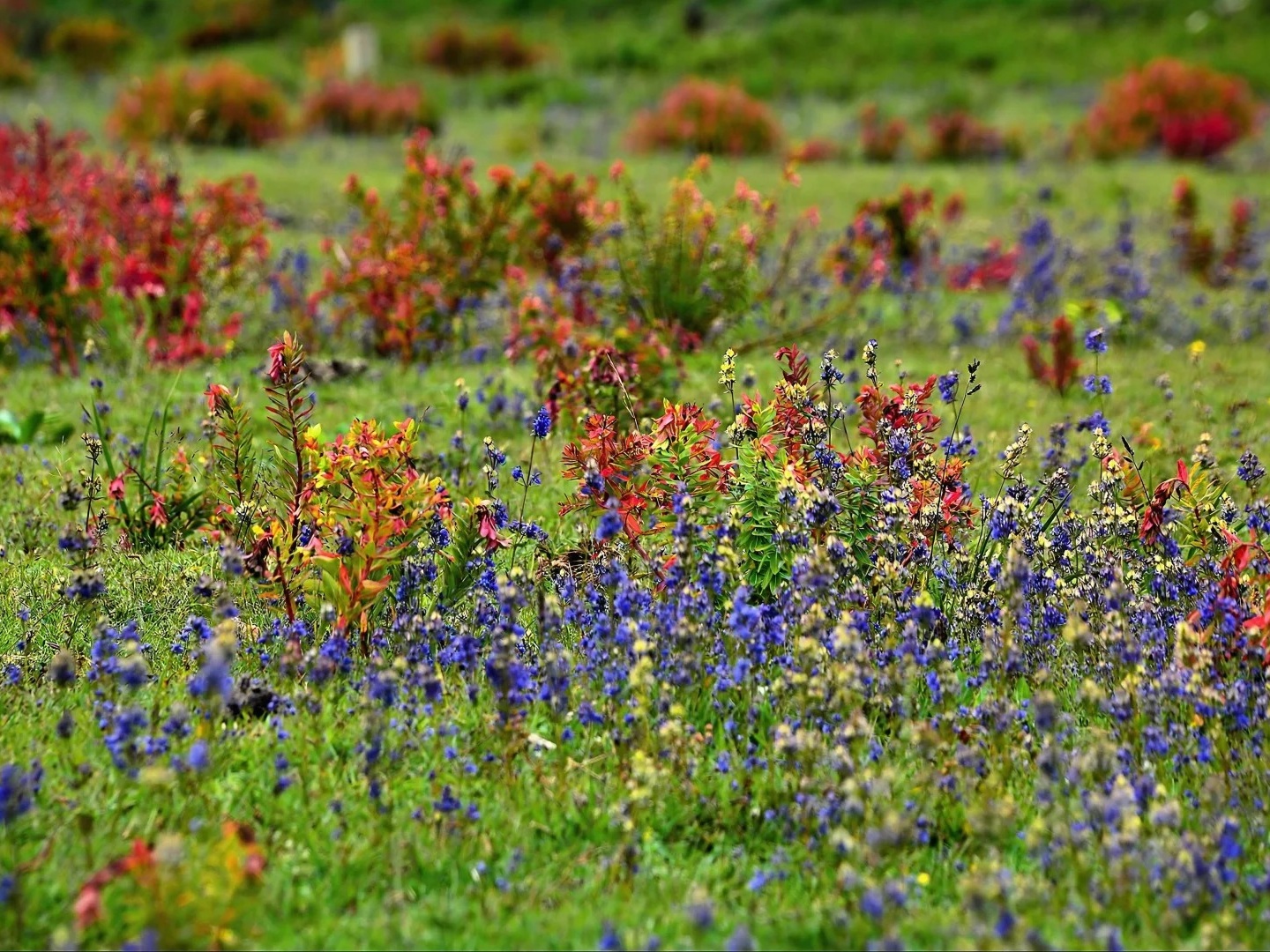
The Ili River Valley in Xinjiang changes rapidly in spring. Nalati is particularly relevant because lower and accessible grasslands may turn green while mountains remain snow-capped. On May 15, 2026, a report republished by China's National Forestry and Grassland Administration described blooming yellow wildflowers in the Nalati area. That makes May a defensible season to consider, especially for scenery lovers who enjoy contrasts of snow and emerging grass.
It is important not to merge every Ili flower season into one claim. The best-known large lavender displays near Huocheng and other late-spring or summer fields do not necessarily peak in early May. High routes may also be affected by seasonal access or late snow. Your travel plan should identify the exact valley, date and road rather than booking a generic 'Ili flower sea' experience.
Getting here also takes more time than a city break. Travelers commonly use a regional air or rail gateway followed by road journeys to specific scenic areas; service and road conditions must be checked. Allow: roughly 4–6 days for a focused Ili-area trip, excluding any additional long-distance transfers. Good for: landscape photographers and travelers interested in Kazakh-influenced regional culture. Check: seasonal route operations, local weather, the exact park entrance and how far each planned stop is from your lodging.
Grassland planning: Nalati and Ili in Late Spring (planned guide).
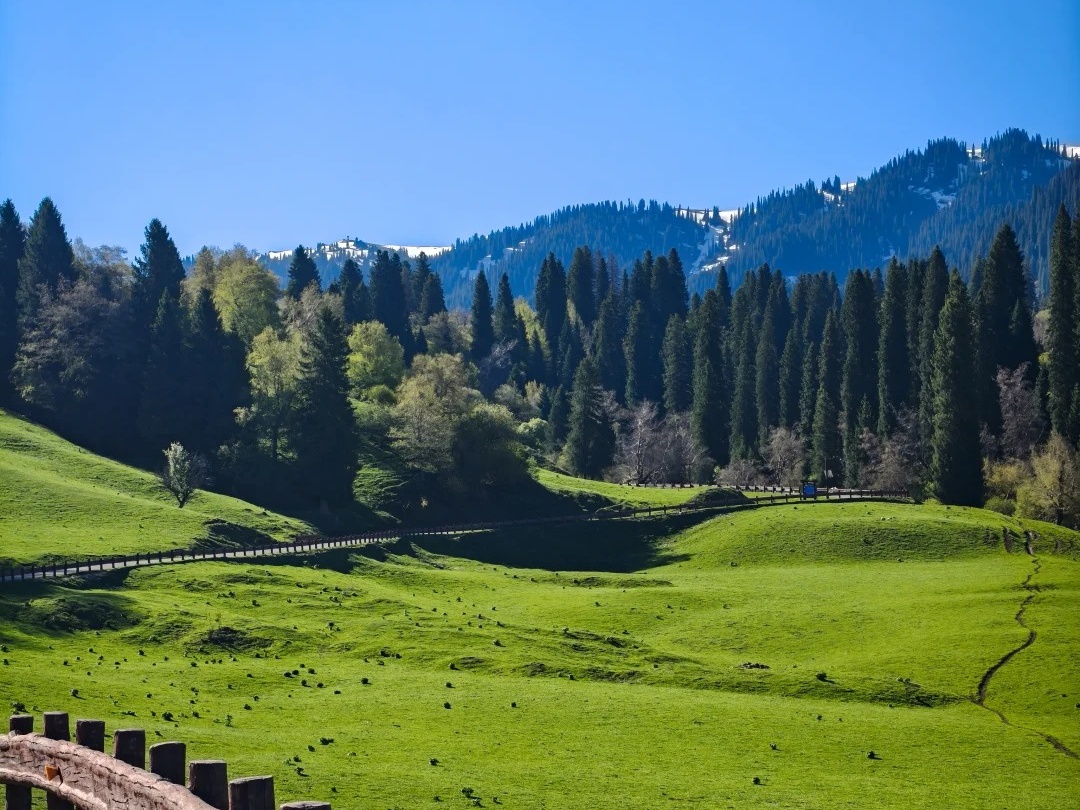
The routes below are examples of how to group geographically sensible places. They are not fixed travel products, and they do not assume every ticket, road or flight will be available on your dates. A traveler with fewer days should remove a base rather than compress every transfer.
Day 1 — Arrive in Beijing. Check in, save your hotel address in Chinese and plan a light neighborhood walk rather than a long excursion after your flight.
Day 2 — Beijing's imperial center. Visit a major historic site with the correct reservation, then explore a nearby street or park at a slower pace.
Day 3 — Great Wall day. Focus on one managed section and allow the full day for transport, walking and return travel. Keep an alternative if conditions are poor.
Day 4 — Transfer to Hangzhou. Travel by suitable train or flight, allowing time between accommodation and terminals. Walk beside West Lake when settled.
Day 5 — Hangzhou tea hills. Choose a tea-village visit or a scenic walking route; do not promise a pre-Qingming harvest demonstration in May.
Day 6 — Hangzhou → Suzhou. Take the train, settle into Suzhou and spend the afternoon at one garden and an old street.
Day 7 — Suzhou and departure. A second garden or canal walk if time permits; depart via an appropriate regional gateway, often Shanghai, with a realistic buffer.
Why this works: a classic culture-and-gardens route with only two major intercity transitions. It is not an attempt to insert mountains or remote scenic areas into a city-focused week.
Day 1 — Arrive in Chengdu. Settle in and enjoy a relaxed dinner without planning a long-distance excursion.
Day 2 — Chengdu city. Start with the panda base, then spend the afternoon with tea culture, neighborhood exploration or Sichuan food.
Day 3 — Chengdu → Jiuzhaigou area. Use a suitable train-and-road transfer or another confirmed connection. Remember that a railway station and the national park are different places. Overnight near the park.
Day 4 — Jiuzhaigou full day. Follow the currently open park routes, allowing time for shuttle buses, walking and altitude-related rest.
Day 5 — Jiuzhaigou area → Chengdu. Return with a deliberate buffer for traffic and transfers. Keep this as a travel day.
Day 6 — Chengdu → Chongqing. Take an appropriate intercity train, check in and explore Chongqing's hillside streets and a riverside evening.
Day 7 — Chongqing and departure. Enjoy a morning neighborhood visit or food experience before leaving, depending on the departure time.
Optional extension: add at least 2–3 days for Mount Siguniang rather than trying to force it into the same seven-day route. It is a separate mountain-road journey, not a quick stop between the three bases above.
Day 1 — Arrive in Dali. Use a suitable transport gateway and keep your first afternoon light.
Day 2 — Dali at an easy pace. Explore Erhai-area villages or Bai cultural settings, choosing a realistic route rather than circling the whole lake in a rush.
Day 3 — Dali → Lijiang. Transfer, check in and explore the old town beyond its busiest shopping streets.
Day 4 — Lijiang. Choose local cultural stops or a weather-dependent mountain excursion; avoid promising access to every high-altitude cableway.
Day 5 — Lijiang → Shangri-La. Travel onward and use the rest of the day to adjust to the higher elevation.
Day 6 — Shangri-La. Explore an accessible cultural or highland nature route; check rhododendron conditions before treating a flower-viewing area as the day's centerpiece.
Day 7 — Departure. Leave via a confirmed regional connection with enough time for airport or railway transfers. If your departure involves a long connection, add an extra night rather than compressing Day 6.
May 1, 2027 falls on a Saturday, but do not assume mainland China's eventual public-holiday adjustment schedule from past years. The government publishes holiday arrangements separately, and the surrounding travel peak depends on the final dates. In 2026, official notices reported that Jiuzhaigou and Mount Siguniang had sold out on particular May holiday dates. Holiday travel therefore needs a different booking strategy from an ordinary midweek spring itinerary.
Book fixed transport and high-demand attraction admission as soon as the relevant booking channels open. Compare refundable hotel terms before committing to mountain regions. If your dates are flexible, move a popular park day outside the busiest holiday window; if they are not, consider prioritizing a quieter neighborhood or an alternative destination rather than trying to defeat the crowds with an overpacked plan.
May rain does not make Guilin or Zhangjiajie a poor choice, but it changes what a practical plan looks like. After heavy rain, a river operator may adjust a departure; at a mountain viewpoint, cloud can reduce visibility; on rural tracks, wet stone steps can become slippery. Check the local forecast close to the actual date, keep suitable footwear and avoid relying on a single weather-sensitive activity as the sole purpose of a long transfer.
In western Sichuan, Diqing and Xinjiang, altitude and mountain-road conditions matter more than a city's monthly average temperature. Always identify the elevation of the specific area you will visit, not only the city where your hotel is located. Stay on established routes, respect park restrictions, and avoid unnecessary rushing on high-altitude travel days.
China's rail network makes some city pairs convenient, but the city name is not the railway station name. International travelers should book with the passport document they will actually carry and confirm the precise station in Chinese as well as English. The same principle applies to mountain connections: Huanglongjiuzhai Station is not Jiuzhaigou Scenic Area, and the final road journey needs its own booking and time allowance.
For the ticket-booking process, passport verification, boarding and station logistics, use the related China Train Guide rather than relying on information from a general monthly destination article. For wider combinations of train, air, metro and arranged road travel, consult Getting Around China.
For eastern cities, bring comfortable walking shoes, breathable clothing and a light rain layer. For Guilin and Zhangjiajie, prepare for damp conditions and stair-heavy days. For Jiuzhaigou, Mount Siguniang, Shangri-La and parts of Ili, add warm layers, sun protection and clothing suitable for sudden temperature changes. An umbrella can help with ordinary urban rain; it is not a substitute for appropriate layers or route decisions in mountain weather.
If this is your first trip to China, finish your phone-data, payment and Chinese-address preparation before leaving home. Save tickets and hotel contacts offline; check whether the attraction's official booking method works with your passport and overseas phone number.
Useful background: China Travel Apps and Internet in China explain how to prepare your phone without repeating those topics here. Avoid assuming every regional service has an English interface.
Yes, for many classic city and landscape routes. Beijing, Jiangnan gardens, Chengdu and several Yunnan destinations can be rewarding. The main compromises are early-May holiday demand, increasingly wet conditions in some southern regions, and cold or changeable weather at altitude.
If your dates are flexible, avoiding the busiest Labor Day travel days can make transportation and attraction reservations easier. If you must travel then, book essentials early and concentrate on fewer places. The exact 2027 official holiday timetable should be checked once announced; May 1 itself is known, but the whole break should not be guessed.
Yes, it can offer blue lakes, waterfalls and greening forests. It is not the same as autumn foliage season. Reserve admission through official channels and verify current opening arrangements. From Chengdu, allow transport and overnight time rather than attempting a rushed day trip.
They are separate highland destinations with substantial road and/or rail logistics. For most first-time visitors, treating them as a one-day combined sightseeing plan is unrealistic. Give each its own appropriate travel and sightseeing days.
Not necessarily. Green scenery and mist can be part of their appeal, but heavy rain can affect viewpoints, cruises and outdoor plans. Keep flexible activities, reliable footwear and a backup rather than promising perfect visibility.
May is a credible seasonal window for parts of Diqing, with flowering moving across elevations. There is no one guaranteed full-bloom date for all viewpoints. Local flower reports shortly before travel matter more than generic photographs.
Some areas such as Nalati can turn green and show spring wildflowers during May, but the timing differs across valleys. Do not assume famous later-season lavender or other large flower fields will already be at their peak. Check the exact site and its seasonal access.
Seven to ten days works for two or three bases in one region. More time is necessary for an itinerary combining remote mountains with multiple cities. A clear seven-day route is better than five or six destinations linked by exhausting transfers.
Confirm entry requirements for your passport, prepare reliable mobile data, arrange a working payment method with a backup, save important addresses in Chinese, and book high-demand sights or transport where necessary. Seasonal travel also means checking weather, park notices and holiday updates shortly before departure.
May is easier when you choose the right regional route first. If you are still comparing seasons, use our Best Time to Visit China overview; if you are planning your first journey, the First Trip to China checklist is a useful starting point. For mountain regions, seek the destination-specific guides and route plans linked in the relevant sections above rather than depending on one monthly overview for every detail.

Tailor-Made Travel · Private Tours · Local Experiences
Nacayo Travel helps international visitors build realistic China itineraries, including destination choices, transport links, hotel planning and local experiences. Our team can discuss a May route through Chengdu, Chongqing or western Sichuan, with arrangements depending on weather and availability.
TRUST FIRST. FUN FOLLOWS.
WhatsApp: Ask Nacayo Travel about a May route