


Nacayo
旅游攻略
CHINA TRAVEL GUIDE · JANUARY DESTINATIONS · UPDATED OCTOBER 2026
Snowy Northeast, Winter Sichuan & Sunshine in the South
January is a rewarding month to visit China if you know which climate you are choosing. The country stretches from Harbin's severe winter to the tropical coast of Hainan. The right question is not whether China is cold in January, but where the cold is the attraction, where you can enjoy winter history and food, and where you can find milder weather.
For a 2027 trip, one calendar detail matters: Lunar New Year falls on February 6, not in January. January 1 is New Year’s Day. Some domestic travel demand may begin building toward February, but winter sightseeing and Spring Festival celebrations are not the same thing. Specific 2027 holiday and attraction schedules should be checked close to departure.
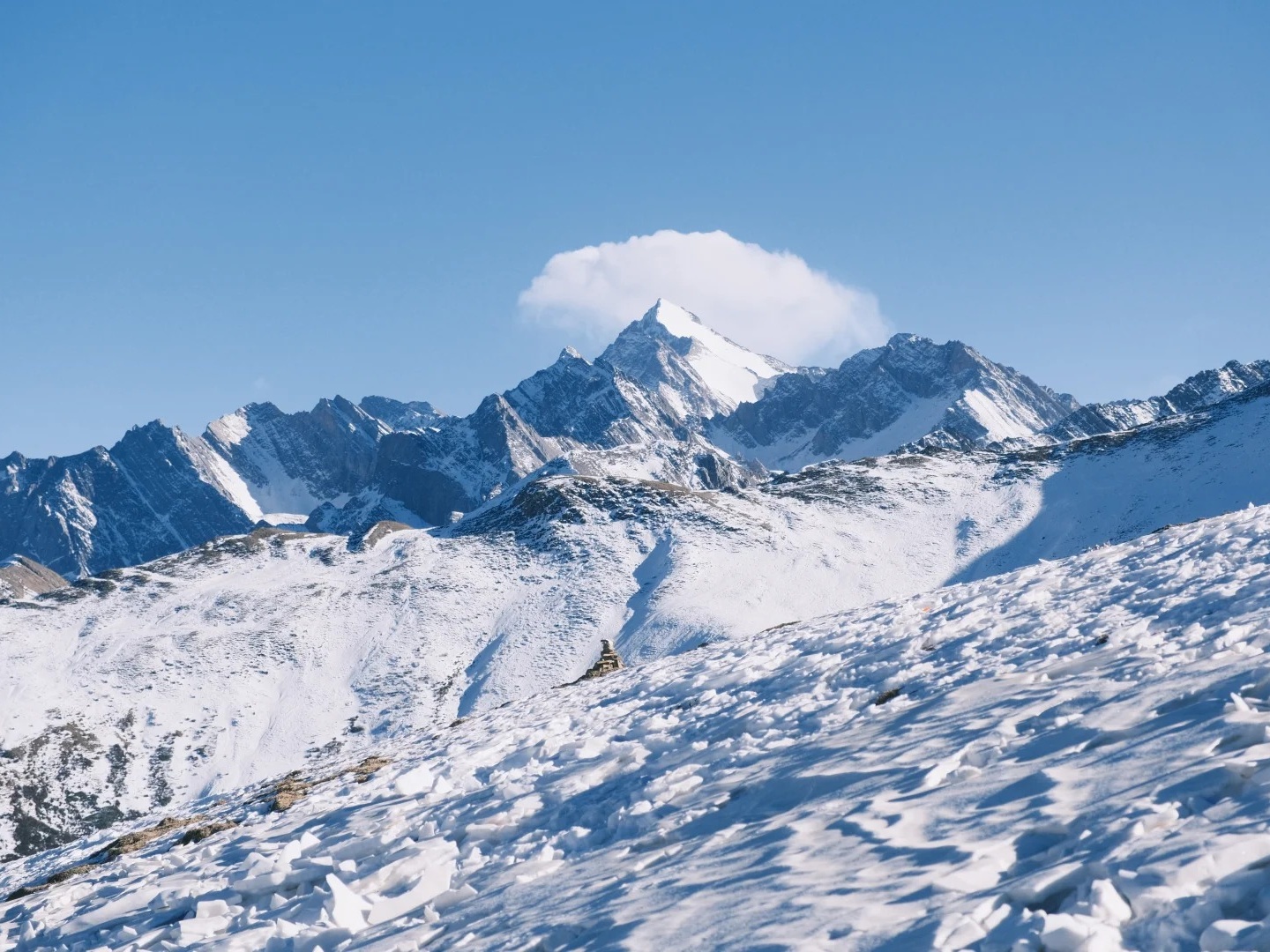
PHOTO 01 · Image placement for editorial replacement · 1600 × 900
START HERE · YOUR QUICK JANUARY DECISION
For dramatic ice: Harbin. For forest snow: Changbai Mountain. For imperial history: Beijing and Xi’an. For colorful winter lakes: Jiuzhaigou. For high-altitude snow: Dagu Glacier. For food and city life: Chengdu and Chongqing. For sunny highlands: Kunming and Dali. For tropical nature: Xishuangbanna. For the beach: Sanya.
If your travel dates are flexible, compare seasonal differences in our Best Time to Visit China guide. For an overseas traveler planning their first journey, First Trip to China covers core arrival planning; check your passport rules separately in the China Visa Guide.
Choose these if winter itself is the main reason for your trip. These are cold-weather journeys, not temperate sightseeing holidays.
Best for illuminated ice architecture · Suggested stay: 2–3 days
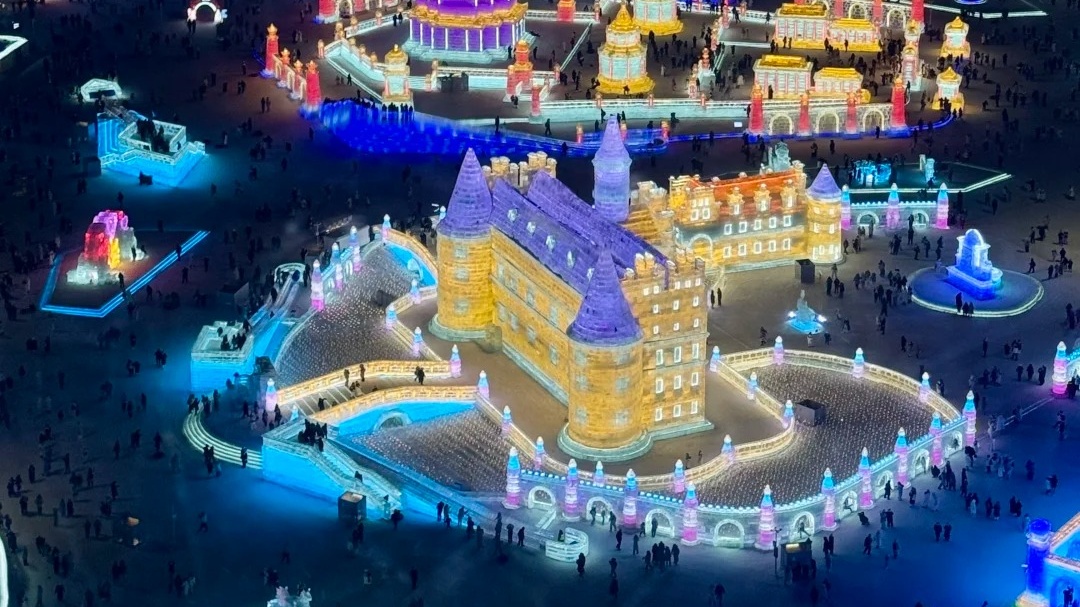
PHOTO 02 · Image placement for editorial replacement · 1200 × 800
Harbin is January’s clearest choice for travelers who want a full winter experience rather than simply cold weather. At Ice and Snow World, enormous structures built from ice are lit in bright colors after dark. The scale is different from a small city ice rink: allow time to walk among the towers, watch how the lighting changes, and use the venue’s warm-up spaces when needed.
Balance the evening ice attractions with Central Street, historic architecture and local food during the day. Do not pack an outdoor ice park, a snow-sculpture park and long pedestrian sightseeing into one uninterrupted afternoon. At northern winter temperatures, a warm café break is part of a sensible itinerary, not wasted time.
The exact park opening, performance programme, activity tickets and closing dates vary by season. Check the current 2026–27 announcements before booking; January is generally the core winter season, but there is no reason to assume that last year’s attractions or ticket prices will be identical.
LOCAL PLANNING TIP
Stay in central Harbin for convenient dining and city walks; reserve winter-specific venue entry when official ticketing opens. Wear insulated boots, gloves and a face covering. Consider a dedicated Harbin ice festival guide for the venue-by-venue details.
Best for snow forests and mountain landscapes · Suggested stay: 2–3 days

PHOTO 03 · Image placement for editorial replacement · 1200 × 800
Changbai Mountain in Jilin offers a quieter natural alternative to Harbin’s constructed ice spectacles. Travelers come for snowy forest scenery, mountain air and winter landscapes around the protected area. Snow-covered trees can be rewarding even if the highest viewpoint does not open.
Tianchi, the crater lake, is a weather-dependent goal rather than a promised sight. High winds, snow and other safety conditions can close its upper area while lower stops remain accessible. Build the trip around a day in the mountain region, with another flexible day if reaching the crater viewpoint matters to you.
Choose your accommodation and transport according to the park sector you will enter; there is no single entrance that works for every itinerary. Use nearby rail or air gateways, then confirm the onward transfer and winter visitor arrangements. Many travelers will be more comfortable with a planned local transfer than improvising taxis in a snowy mountain area.
LOCAL PLANNING TIP
Check the official day-of-access notices before setting off. If upper viewpoints close, enjoy lower scenic areas rather than attempting an unsafe substitute.
Lower demand for springtime scenery does not remove the appeal of China’s historic capitals; the trade-off is cold outdoor walking.
Best for imperial history and quiet winter walks · Suggested stay: 3–4 days
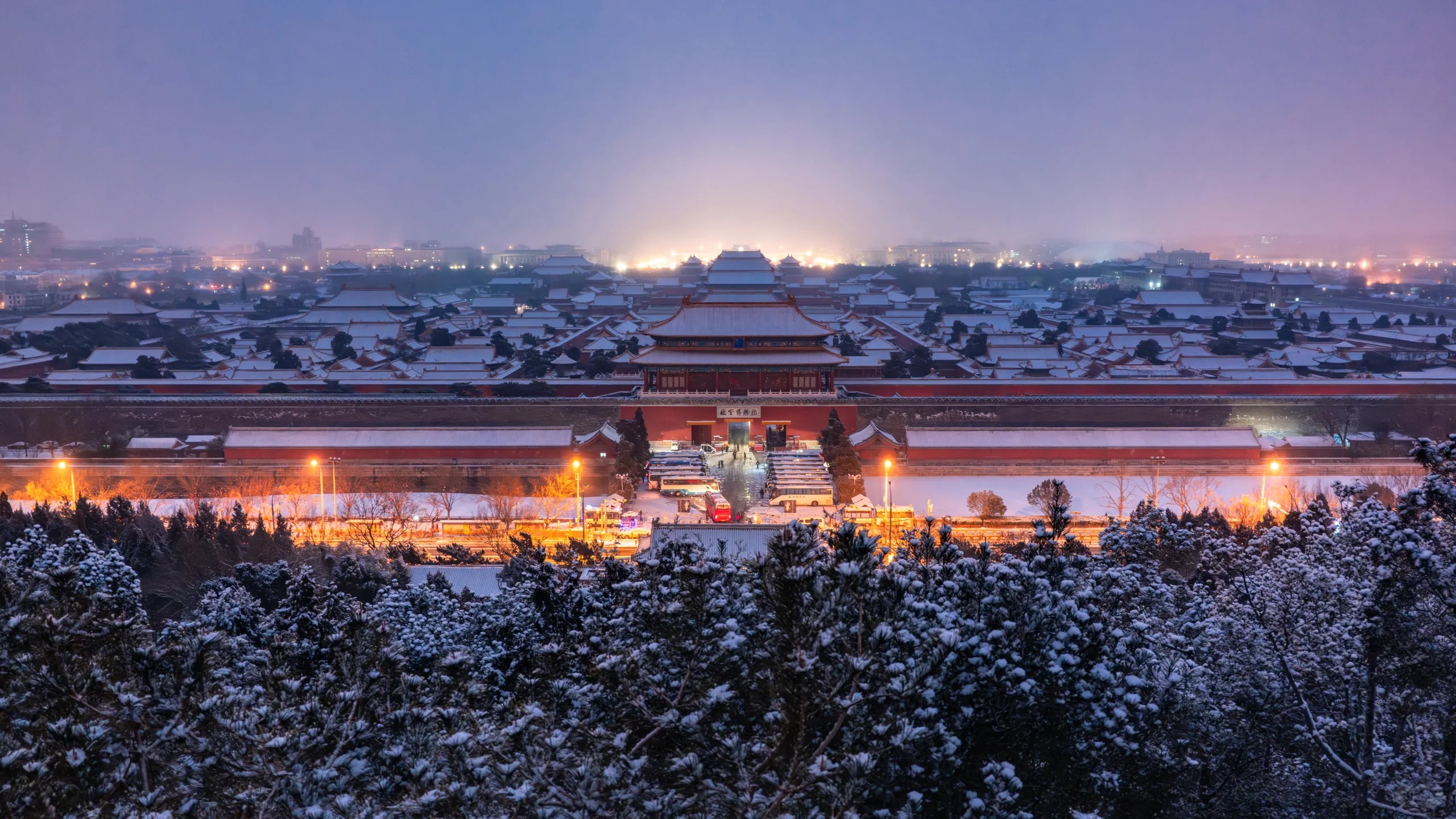
PHOTO 04 · Image placement for editorial replacement · 1200 × 800
Beijing is an excellent January option for travelers interested in Chinese history who do not need cherry blossoms or warm weather. The Forbidden City, Temple of Heaven and traditional hutong neighborhoods reveal their architecture clearly against the winter light. If snow falls, the city can be beautiful, but snowfall is not guaranteed on particular dates.
Spend your first day in a central historic district and keep the Great Wall as a separate excursion. Popular restored wall sections can be windy and slippery in winter, and closing or transport changes are possible during snow or icy conditions. Not every visitor needs a remote or steep section of wall to have a worthwhile experience.
In a winter city itinerary, shorter outdoor blocks mixed with indoor museums and food stops work better than a long list of exposed attractions. Book any limited-entry sites through the current official channel and verify opening-day rules, particularly if your trip begins around New Year’s Day.
LOCAL PLANNING TIP
Base yourself near a metro line in central Beijing. For passports, apps and arrival basics, consult First Trip to China rather than trying to solve everything on the first sightseeing morning.
Best for ancient history and warming local food · Suggested stay: 2–3 days
PHOTO 05 · Image placement for editorial replacement · 1200 × 800
Xi’an combines major archaeological sites with a compact historic center, making it a logical second stop after Beijing. The Terracotta Army can anchor one full outing; within the city, the walls, old streets and local food create a different, more walkable experience. January’s cool weather is suitable for travelers who enjoy history more than flower gardens.
Allow enough time to travel out to the Terracotta Army and back. It is not beside the city wall, and trying to combine the museum with every old-town stop in one short afternoon can leave you rushing. Warm dishes and noodle restaurants provide comfortable breaks between historical sites.
Beijing and Xi’an work particularly well together because high-speed rail links the two cities. Confirm which exact stations your train uses, carry the passport linked to the ticket and allow time for station security.
LOCAL PLANNING TIP
For rail identity checks, ticket release rules and station names, see China Train Guide. January is not automatically a Lantern Festival month; check the year before advertising seasonal light displays.
A highly varied region where city weather cannot describe high mountain conditions. Separate comfortable city days from weather-dependent alpine travel.
Best for turquoise lakes and winter waterfalls · Suggested stay: 3–4 days from Chengdu, including transfers
PHOTO 06 · Image placement for editorial replacement · 1200 × 800
Jiuzhaigou is one of western China’s most distinctive winter landscapes. Turquoise lakes, bright streams and snow-dusted slopes contrast in a way that feels very different from the famous October autumn scenes. Some waters remain strikingly blue in cold weather, while winter ice may form around smaller cascades and shaded sections.
The main planning issue is access, not whether the valley is visually attractive. The park’s 2025–26 low-season notice specified seasonal conservation rotation, with some attractions and boardwalks closed. January 2027 access, ticket conditions, sightseeing-bus routes and entrance hours must be checked against the next official announcement rather than copied from the previous year.
A train journey from Chengdu can shorten the intercity portion, but a train station such as Huanglongjiuzhai is not the scenic entrance. Road transfer time, luggage handling and winter driving conditions still matter. Allow a full day for the park itself and buffer time on either side rather than treating this as an effortless same-day outing from Chengdu.
LOCAL PLANNING TIP
Plan a full scenic day plus transfer days; avoid promising any particular frozen waterfall or open boardwalk. For park-by-park winter detail, use the planned Jiuzhaigou Winter Travel Guide.
Best for high-altitude snow and mountain views · Suggested stay: 2–3 days from Chengdu, depending on route
PHOTO 07 · Image placement for editorial replacement · 1200 × 800
Dagu Glacier, near Heishui in western Sichuan, is an option for travelers who specifically want a dramatic alpine winter setting rather than a simple city excursion. When conditions allow, the mountain environment includes extensive snow scenery and broad high-altitude views. The cableway is part of the appeal, but its operation and visibility depend on conditions on the day.
The upper sightseeing area is at very high altitude. Do not schedule vigorous activity immediately after a rapid ascent; move slowly, keep warm and be willing to descend if you feel unwell. Weather that is tolerable at the park entrance can be dramatically colder or windier higher up. Snowfall, road icing or cableway closures may require a revised plan.
The transfer from Chengdu is substantial and winter roads demand sensible driving. A route combining Dagu Glacier with Jiuzhaigou is possible only when the actual road and overnight plan work, so do not automatically squeeze both into a two-day trip.
LOCAL PLANNING TIP
Ask about the current cableway, weather and road conditions before departure. See the proposed Dagu Glacier Winter Guide for a future detailed route and altitude briefing.
Best for pandas, teahouses and Sichuan food · Suggested stay: 2–3 days
PHOTO 08 · Image placement for editorial replacement · 1200 × 800
Chengdu is a useful winter destination in its own right, not only a connection point to the mountains. The city’s main appeal is the mix of giant pandas, relaxed neighborhood culture, teahouses and food. January is generally cool and often cloudy, which makes slow urban discovery more appealing than a rigid list of outdoor photo stops.
Start early for a visit to the panda base, then spend another day in the central city. A traditional park teahouse, a neighborhood restaurant and a relaxed walk can tell you more about Chengdu than rushing between several lookalike shopping streets. Food options range from mild dumplings and noodles to strongly spiced Sichuan dishes; ask about spice level rather than assuming every meal will be extremely hot.
Chengdu is also the practical staging city for Jiuzhaigou and other western Sichuan winter routes. Leave enough time after reaching the mountains for slower travel, road conditions and possible changes. A winter itinerary based here is easier when you separate urban days from long transfer days.
LOCAL PLANNING TIP
Do the panda visit on a cool morning, reserve time to relax, and consider combining Chengdu with a properly paced winter private itinerary rather than adding every mountain on consecutive days.
Best for hot pot, urban layers and evening streets · Suggested stay: 2–3 days
PHOTO 09 · Image placement for editorial replacement · 1200 × 800
Chongqing offers a completely different winter experience from Jiuzhaigou and Harbin. The city is built across steep hills beside major rivers; terraces, bridges, stairways and elevated rail lines give ordinary movement through town a memorable sense of geography. Visit Liziba, a hillside neighborhood and a river-facing viewpoint without trying to chase every viral angle.
January in Chongqing can feel damp and chilly, even without northern-style subzero temperatures. Cloud and fog are part of the seasonal picture. Do not promise a crisp skyline on every evening or treat the city as a warm-weather substitute. It is a food-and-culture choice for travelers who enjoy busy streets, hot pot and unusual urban landscapes.
Chengdu and Chongqing are easy to pair by rail in comparison with most mountain combinations. Two nights in each can make a satisfying winter city break, with Jiuzhaigou added only if you have enough days to handle the extra road transfer.
LOCAL PLANNING TIP
Pack a wind-resistant outer layer for evening river walks. Choose viewpoints close to your hotel; use Getting Around China for rail, metro and ride-hailing planning.
The alternatives for travelers who dislike extreme cold are not interchangeable: a sunny highland town can have freezing nights, while coastal Sanya feels very different.
Best for sunny highland days and slow travel · Suggested stay: 4–5 days together
PHOTO 10 · Image placement for editorial replacement · 1200 × 800
Kunming and Dali are good January alternatives for travelers who want a more moderate daytime climate than northern China. Winter often brings clear skies and strong sunlight, especially compared with the wetter warm season. Around Kunming, urban parks and markets offer an easy first stop; Dali adds Erhai Lake, historic streets and the backdrop of Cangshan Mountain.
Do not confuse sunny weather with warm nights. Both places are highland destinations, and evenings can be cool or cold. A lakeside cycle, relaxed town walk or short cultural excursion suits the season, but early starts and exposed viewpoints still require layers.
This is a practical four- or five-day trip if you use the railway between the cities and give Dali more than one night. Visitors who also want Lijiang should extend the journey instead of rushing through three different hotel bases in four days.
LOCAL PLANNING TIP
A sunny winter day can still have strong UV exposure. Bring sunscreen and layers, and compare the season with Best Time to Visit China if you are planning other months.
Best for tropical plants and Dai culture · Suggested stay: 3–4 days
PHOTO 11 · Image placement for editorial replacement · 1200 × 800
Xishuangbanna in southern Yunnan offers a warmer, greener January experience, with tropical plants, Dai cultural traditions and regional food. Unlike Kunming and Dali, it has a lower-elevation tropical environment. That difference matters when choosing what to pack and whether you want a mountain-town or rainforest-oriented holiday.
Spend time in a botanical garden or another established nature site rather than treating every day as a long bus trip between staged performances. Local markets and regional dishes add variety, but opening arrangements and the availability of specific cultural activities change. Consider a slower pace if you are traveling with children or older relatives.
The popular large-scale Water-Splashing Festival belongs to a different part of the calendar, usually in April. January visitors should choose Xishuangbanna for winter warmth and local culture, not assume the April festival is happening.
LOCAL PLANNING TIP
Verify local transport to botanical sites and avoid treating all of Yunnan as the same climate. Keep mosquito protection for warmer areas and a light layer for mornings.
Best for a beach-focused winter escape · Suggested stay: 3–5 days
PHOTO 12 · Image placement for editorial replacement · 1200 × 800
Sanya is the obvious option for travelers who want to escape heavy winter clothing. Beaches, coastal walks, resort stays and relaxed meals create an itinerary with very little intercity transportation once you arrive. For visitors coming from Singapore or Malaysia, the selling point is not simply that the weather is warm; it is the chance to add a different part of China to a broader journey.
Winter beach weather is usually more comfortable here than in northern cities, but daily conditions, wind and sea safety vary. A sunny afternoon does not guarantee calm swimming conditions, and water activities operate under local safety rules. Choose your beach and hotel district based on whether you want family convenience, quieter relaxation or frequent restaurant trips.
January can be popular with domestic travelers seeking sunshine. Book preferred beachfront rooms and flights early for fixed dates, especially around national or school holiday periods. Do not combine Sanya with Harbin on a short itinerary without accounting for a long domestic flight and two entirely different wardrobes.
LOCAL PLANNING TIP
For a beach holiday, leave real downtime rather than filling every day with distant attractions. Check weather and hotel facilities for your precise dates.
A single average temperature for China is not a useful planning tool. Think in four broad travel environments, and check the local forecast for the specific city or altitude shortly before departure.
Northeast (Harbin, Changbai)
Severe cold; snow and ice are central attractions. Prepare for exposed outdoor time and possible wind.
North China (Beijing, Xi’an)
Cold, often dry city weather. Historical sightseeing works, but wind and icy paths can affect comfort.
Sichuan Basin vs mountains
Chengdu and Chongqing are damp and cool; Jiuzhaigou and Dagu Glacier are much colder at elevation and more weather-dependent.
Yunnan highlands vs tropical south
Kunming and Dali often have sunny days and cool nights; Xishuangbanna and Sanya are substantially warmer options.
Avoid forcing a “snow everywhere” story: January can be cold in Beijing without snow, and a clear sunny day in the Yunnan highlands still calls for a jacket at night.
These are regional examples, not one enormous multi-region trip. Harbin, western Sichuan and Hainan can be far apart; adding all of them to a one-week holiday is rarely efficient. Daily plans below describe the main travel logic without inventing train times or promising winter road access.
ROUTE A
An immersive Northeast China winter trip; best for travelers comfortable with freezing conditions.
Day 1 — Arrive in Harbin. Check into a central hotel, collect winter supplies if needed and walk a manageable part of Central Street.
Day 2 — Explore Harbin at an easy pace, then visit Ice and Snow World after dark if it is operating. Prebook required admissions.
Day 3 — Use a pre-checked rail or flight connection toward the Changbai Mountain region; finish the road transfer before dark if possible.
Day 4 — Explore the accessible Changbai Mountain sector. Make Tianchi a weather-dependent bonus, with lower-elevation winter scenery as backup.
Day 5 — Depart from the local gateway, leaving a realistic buffer for winter travel and flight or rail connections.
ROUTE B
A Southwest China mix of layered cityscapes, pandas, food and winter mountain lakes.
Day 1 — Arrive in Chongqing. Settle in and enjoy a short neighborhood walk or hot-pot dinner.
Day 2 — Explore Liziba, the central hillside streets and a river-facing evening viewpoint without rushing.
Day 3 — Take a suitable train to Chengdu; enjoy a park teahouse or food neighborhood after check-in.
Day 4 — Visit the Chengdu panda base in the morning, then keep the afternoon relaxed.
Day 5 — Travel toward Jiuzhaigou using a confirmed rail-plus-road connection or planned road journey; overnight near the park.
Day 6 — Spend a full day inside the sections of Jiuzhaigou officially open in winter; follow the designated sightseeing-bus plan.
Day 7 — Return to Chengdu or continue onward with a connection planned around seasonal road and transport conditions.
ROUTE C
A gentler winter itinerary for sunny highland landscapes, history, food and relatively low transfer stress.
Day 1 — Arrive in Kunming; visit a park or market and adjust to the highland environment.
Day 2 — Explore Kunming at a relaxed pace, focusing on cultural stops rather than long-distance day trips.
Day 3 — Take the train to Dali, check in and spend time in Dali Old Town.
Day 4 — Enjoy Erhai Lake and surrounding villages, with a flexible lakeside stop and weather-aware layers.
Day 5 — Depart from Dali or connect onward, leaving enough time to reach the correct airport or railway station.
For passport-based rail booking, station names and boarding requirements, see China Train Guide. For a train-versus-car decision on mountain routes, use Getting Around China.
January 1, 2027 is New Year’s Day. The exact mainland China holiday adjustment schedule should be checked against the State Council’s official announcement. Some popular leisure attractions and transport services can be busy around holiday dates, but the month as a whole should not be described as the Chinese New Year travel peak.
Chinese New Year in 2027 begins on February 6. If your January journey ends in early February, allow for demand to change as the holiday approaches. Book flights, popular trains and essential hotel nights with your full route in mind rather than assuming prices and schedules remain constant.
Winter attraction schedules can change for reasons unrelated to holidays. Ice installations depend on seasonal conditions; mountain cableways and viewpoints may close because of wind or snow; Jiuzhaigou may rotate some scenic sections out of service for conservation. Reserve fixed-time services only after checking the relevant operators.
Harbin, Changbai Mountain and high-elevation Sichuan require thermal layers, insulated jackets, gloves and shoes with good grip. Chongqing can feel damp and chilly; Sanya needs a lighter wardrobe. A multi-region itinerary may require both.
Save your hotel name, the full address in Chinese and the correct railway station or airport terminal. This matters even more when standing outside in cold weather. Review China Travel Apps before flying.
Use an appropriate roaming or eSIM plan, keep your home number accessible for verification and test one payment wallet in advance. Internet in China explains connectivity, while First Trip to China includes a short payment-setup checklist.
Do not treat a mountain cableway or a Tianchi viewpoint as a guaranteed line item. Keep a back-up scenic stop, a realistic overnight base and a weather contingency instead of scheduling onward flights minutes after a winter road transfer.
Some attractions need reservations while others are flexible. Check the current park notice, venue-specific entry method, identity requirements and whether foreign passports can be used through your chosen channel.
Mountain viewpoints can be much higher and colder than the town where you slept. Take extra care with rapid ascent, avoid strenuous activity if unacclimatized and take symptoms seriously. Those with medical concerns should seek personal medical advice before travel.
Two or three bases in a week are often more comfortable than an ambitious cross-country checklist. The scenery is not better if half the holiday is spent transferring through airports and waiting halls.
Do not expect the same winter festival attractions every year, assume a scenic lake is frozen, or plan January around April flower festivals. Treat spectacular photos as examples of possible conditions, not live guarantees.
Yes, if you choose destinations for the season. Harbin and Changbai Mountain are winter-experience choices; Beijing and Xi’an suit travelers comfortable with cold city walks; Yunnan, Xishuangbanna and Sanya offer different kinds of milder travel. There is no single January climate for all of China.
Harbin and the Changbai Mountain region are strong winter candidates. Snow may also feature in western Sichuan around high-altitude destinations such as Dagu Glacier and Jiuzhaigou, but exact snowfall, scenic access and road conditions are never guaranteed.
Some southern destinations are much warmer than the north. Sanya and Xishuangbanna are better options for mild or tropical weather, while Kunming and Dali can have sunny days but chilly nights. Beijing, Harbin and many high-altitude areas require substantial winter clothing.
No. Lunar New Year’s Day in 2027 is February 6. January 1 is New Year’s Day, and holiday or pre-holiday demand may affect some dates. Do not assume Spring Festival fairs or Lantern Festival programmes are already running in January.
January visits can be possible, but the park follows its winter management plan. Some scenic sites and boardwalks may be closed on conservation rotation, and transport may be affected by snow or ice. Check the current Jiuzhaigou official announcement and buy tickets from the valid booking channel.
Rail services can help with part of the journey, but a railway station is not the entrance to Jiuzhaigou Scenic Area. You still need to arrange the connecting road transfer and allow for winter conditions. Check the exact station, train and shuttle or private-transfer arrangements before departure.
Use high-speed rail for convenient connected city pairs such as Beijing–Xi’an or Chengdu–Chongqing; flights can be more sensible for very long distances. Compare total hotel-to-hotel time and leave extra flexibility for mountain access. Foreign passport holders should complete railway identity verification before ticket sales open.
Pack for the actual regions rather than the word “China.” Harbin and mountain trips require insulated outerwear, thermal base layers, a hat, gloves and slip-resistant winter footwear. City and southern routes still benefit from layers. Carry sunscreen for sunny highland days and keep essential digital bookings available offline.
Start with First Trip to China if you are planning your first arrival. For winter route selection, compare Best Time to Visit China. If you are moving between Beijing and Xi’an, open China Train Guide. If western Sichuan is your focus, the upcoming Jiuzhaigou Winter Travel Guide and Dagu Glacier Winter Guide will cover detail that would overwhelm this national overview.
January works best when your itinerary follows the season you actually want: ice and snow, history and food, or warm-weather relaxation. Keep the weather-dependent activities flexible and protect the long-distance transfers. That is the difference between a practical winter trip and a collection of attractive photos.

NACAYO TRAVEL
China-Based Local Travel Specialists
Tailor-Made Travel · Private Tours · Local Experiences
For international travelers, our local team can help consider seasonal routes, road transfers, accommodation and a travel pace suited to your group. Arrangements depend on dates, access conditions and availability.
TRUST FIRST. FUN FOLLOWS.