


Nacayo
旅游攻略
CHINA TRAVEL GUIDE · SEPTEMBER DESTINATIONS · REVIEWED OCTOBER 17, 2026
September is a rewarding month to visit China, but not because the entire country turns gold at once. In northern Xinjiang and Inner Mongolia, birch forests may begin turning yellow during the second half of the month. In Sichuan, mountain valleys, blue lakes and clear-day views are the attraction, while the strongest Jiuzhaigou foliage often arrives later. Beijing becomes more comfortable for walking, the Silk Road feels less relentlessly hot than midsummer, and the rice terraces around Guilin approach harvest season. The right trip depends on where you travel and which weeks you have available.
The short answer: For late-September fall colors, focus on Kanas and Hemu or Arxan. For mountains and lakes, consider Daocheng Yading, Jiuzhaigou and Huanglong, or Mount Siguniang—without assuming peak October foliage. For history, choose Beijing, Xi'an, or the Hexi Corridor. For regional food and local life, combine Chengdu and Chongqing. For rice terraces, look at Guilin and Longji; for an unhurried highland journey, choose Dali, Lijiang and Shangri-La.
First visit to China? First Trip to China covers arrival, payment, hotel addresses and the common planning problems that can complicate an otherwise good itinerary.
One date matters in 2027: Mid-Autumn Festival falls on September 15, 2027. The date of the festival is known, but the final mainland holiday-adjustment schedule and the exact scale of travel demand should be checked against official announcements closer to departure. October 1 is National Day; travelers extending into early October should plan for a separate holiday travel surge.
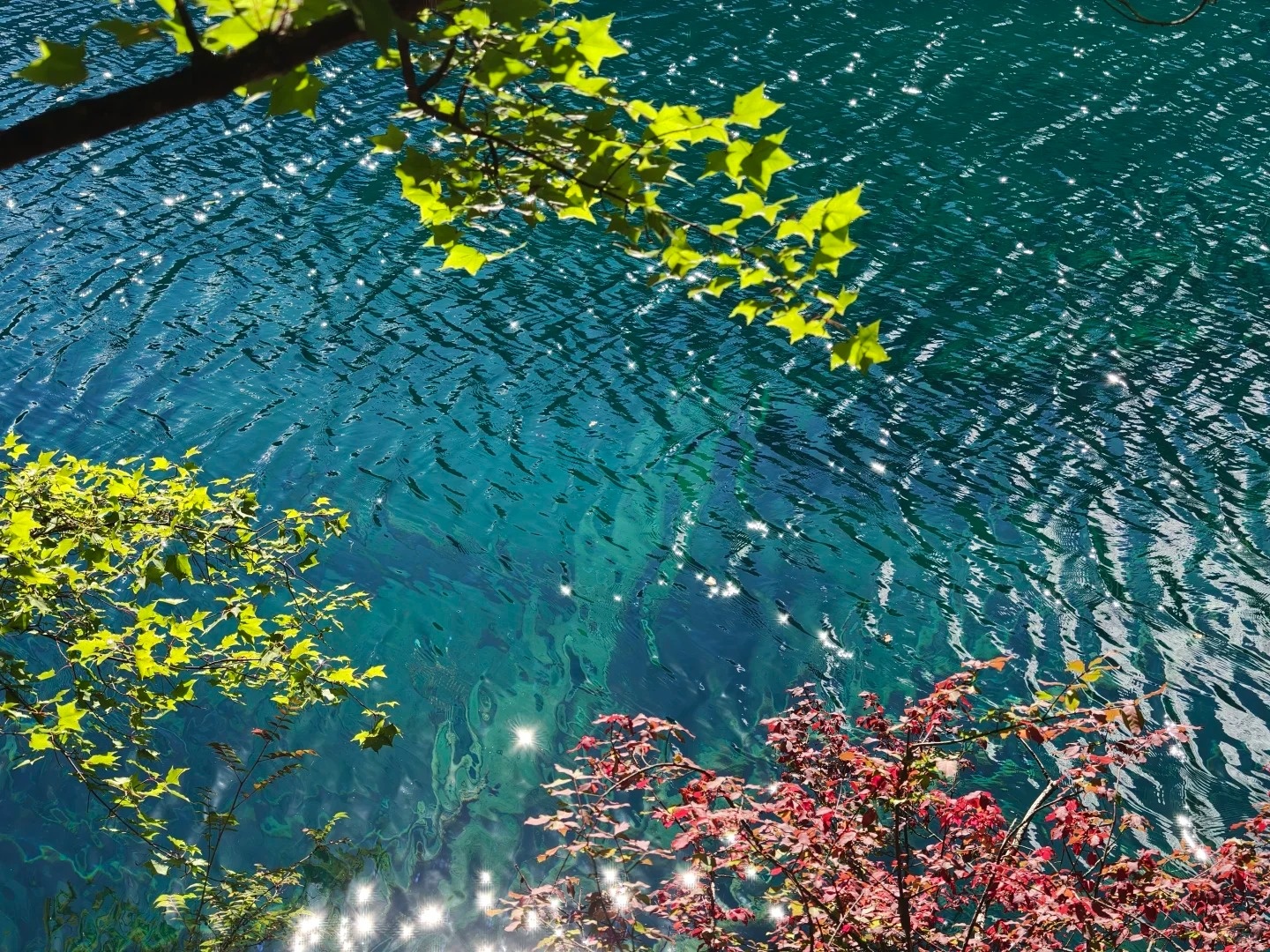
The key distinction is early September versus late September. The first half can still feel summery in Chengdu, Chongqing and parts of southern China. The last third of the month can bring visibly different conditions to northern forests and high-altitude valleys. No article can promise the date that leaves will change: rainfall, altitude, overnight temperatures and seasonal variation all matter.
What you want: Yellow birch forests and lakes
Where to consider: Kanas & Hemu, Xinjiang
September planning reality: Usually stronger in late September; plan several days locally
What you want: Early fall forest colors
Where to consider: Arxan, Inner Mongolia
September planning reality: Cool mornings, variable leaf timing and long regional transfers
What you want: High mountains and walking
Where to consider: Daocheng Yading
September planning reality: High altitude; weather and physical effort limit some routes
What you want: Blue lakes and waterfalls
Where to consider: Jiuzhaigou & Huanglong
September planning reality: Good natural scenery; broad red-and-gold foliage is more typical later
What you want: Mountain valley landscapes
Where to consider: Mount Siguniang
September planning reality: Mix of meadow, cliffs and snow peaks; not guaranteed peak fall color
What you want: Desert and Silk Road history
Where to consider: Zhangye & Dunhuang
September planning reality: Better walking conditions than peak summer, but sunny afternoons
What you want: Imperial history
Where to consider: Beijing
September planning reality: Comfortable city walks; Great Wall still needs a full day
What you want: Ancient capital and food
Where to consider: Xi'an
September planning reality: Pairable with Beijing by rail; warm afternoons possible
What you want: Pandas, tea culture, hot pot
Where to consider: Chengdu & Chongqing
September planning reality: Regional city culture, not a reliable cool-weather escape
What you want: Karst and ripening terraces
Where to consider: Guilin & Longji
September planning reality: Color progresses from green to gold; timing differs by field
What you want: Highland towns and culture
Where to consider: Dali, Lijiang & Shangri-La
September planning reality: Changing weather with altitude; do not rush the ascent
Timing matters more than collecting destinations. If your only free week is September 3–10, plan around landscapes that already look good in green, rather than selecting a forest purely for a late-September color photograph. If your dates are September 20–29, northern fall foliage becomes a stronger reason to travel—but keep a weather contingency.
For an overview beyond this month, Best Time to Visit China compares China's seasons by region rather than applying one national weather rule.
The Altay region in northern Xinjiang is one of the clearest reasons to choose late September. Kanas Lake sits below mountain forests; Hemu is known for wooden houses, river valley views and stands of birch. The experience works best when you spend time in each area instead of expecting a single viewpoint or a same-day detour to deliver every classic photograph. If skies are clear you may see reflections; after rain or a cold front the landscape can look entirely different.
When to go: The second half of September is the better starting point for a foliage-focused journey, with late September into early October often discussed as the key viewing period. That is not an exact annual guarantee. The first week of September may still be predominantly green, and sudden cold weather can change the comfort of an itinerary quickly.
How to plan: Use an Altay-region arrival hub and allow several nights for Kanas, Hemu and road transfers. Public transport and scenic shuttle systems have seasonal timetables; visitors should check whether their hotel is inside or outside a designated scenic area, where the entry gate is, and how luggage transfers are handled. Do not treat Urumqi as an effortless day-trip base for Kanas. A practical regional trip usually takes five to eight days, including arrival and departure arrangements.
Best for: fall-color photographers, couples, visitors happy to spend time on rural roads. Watch for: cold evenings, variable visibility, limited last-minute hotel choice and changing scenic transport rules. For a dedicated northern Xinjiang plan, see Kanas and Hemu in Autumn.
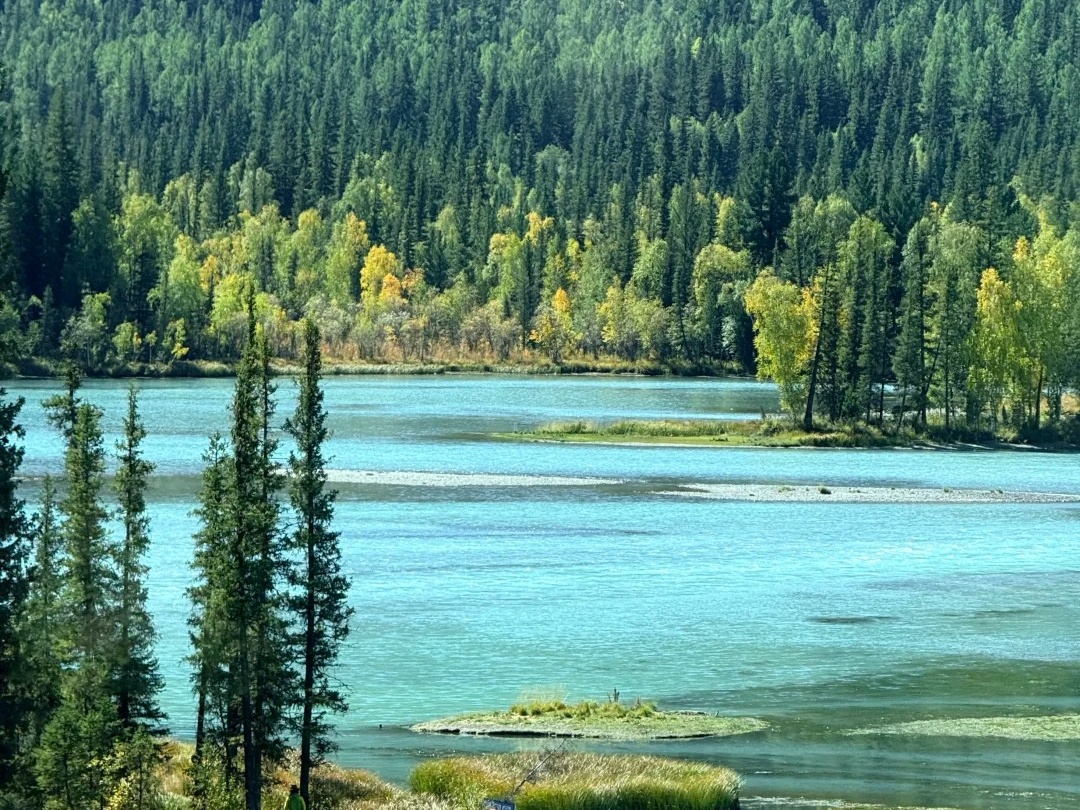
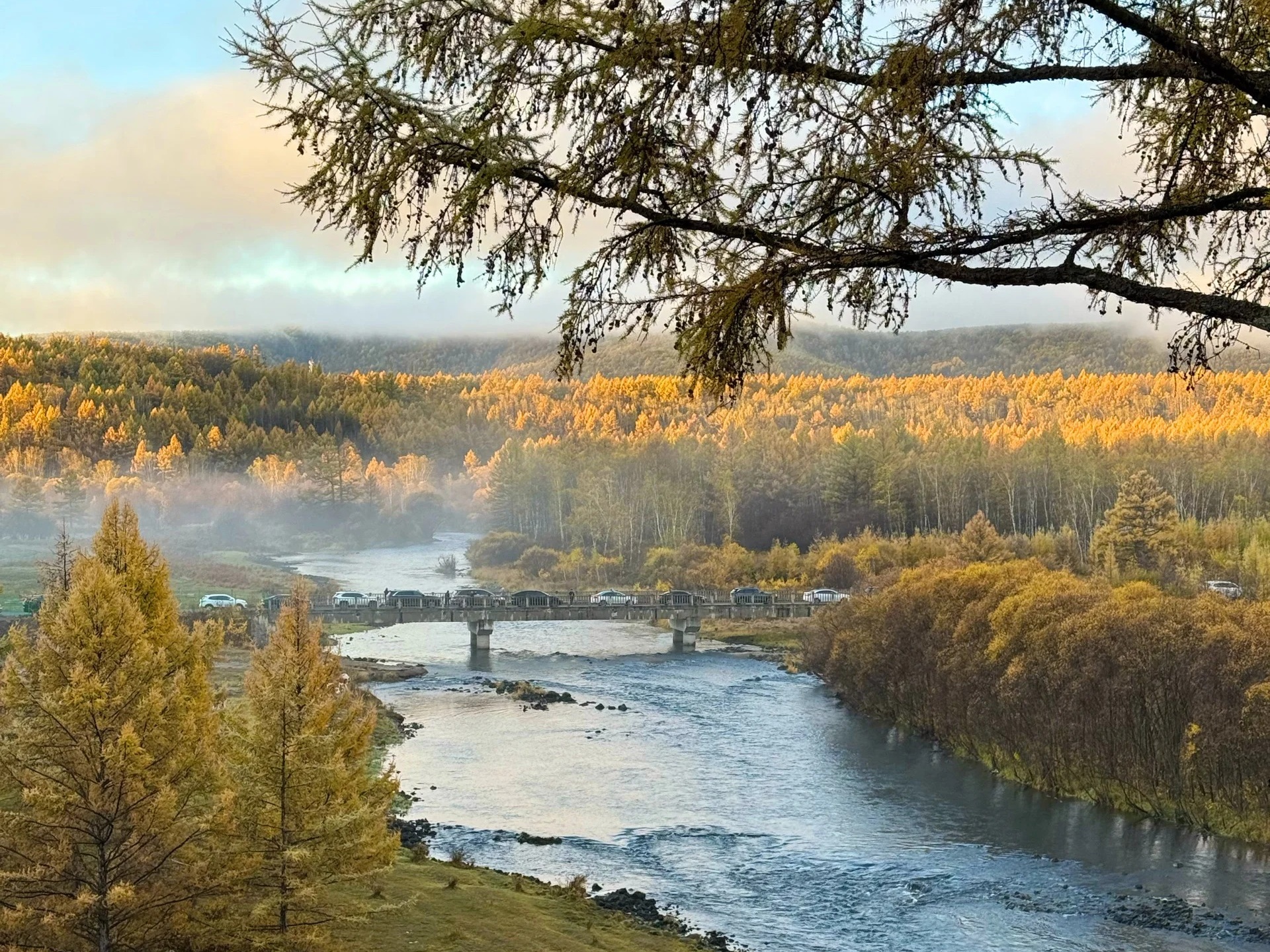
Arxan, also written Aershan, offers another version of northern autumn. It is less about the sweeping grassland photographs travelers associate with midsummer Inner Mongolia, and more about wooded volcanic landscapes, lakes, rivers and early-season leaf color. Arxan National Forest Park is the natural focus, though a relaxed journey also depends on how you get to and from the surrounding towns.
When to go: Mid- to late September is often a meaningful starting point. In mid-September 2026, official forestry reporting documented orange, yellow and green autumn foliage within the park. This supports September as a legitimate autumn period without implying that precisely the same week will peak in 2027.
How to plan: Allocate three to four days in the Arxan area, plus transport to the region. Road distances can be more important than map distance, and early frost is possible. A driver or confirmed local transfer makes a multi-stop rural itinerary easier, but independently arranged travel is possible when suitable transport is running. Pack a warm outer layer even if your international flight arrives through a still-warm city.
Best for: quieter forest scenery, slower photography, travelers who have already seen China's classic first-time cities. Watch for: changeable weather and long approach journeys. If deciding between Arxan and Kanas, choose based on the part of northern China you can reach efficiently, rather than assuming they can be visited together in a brief week.
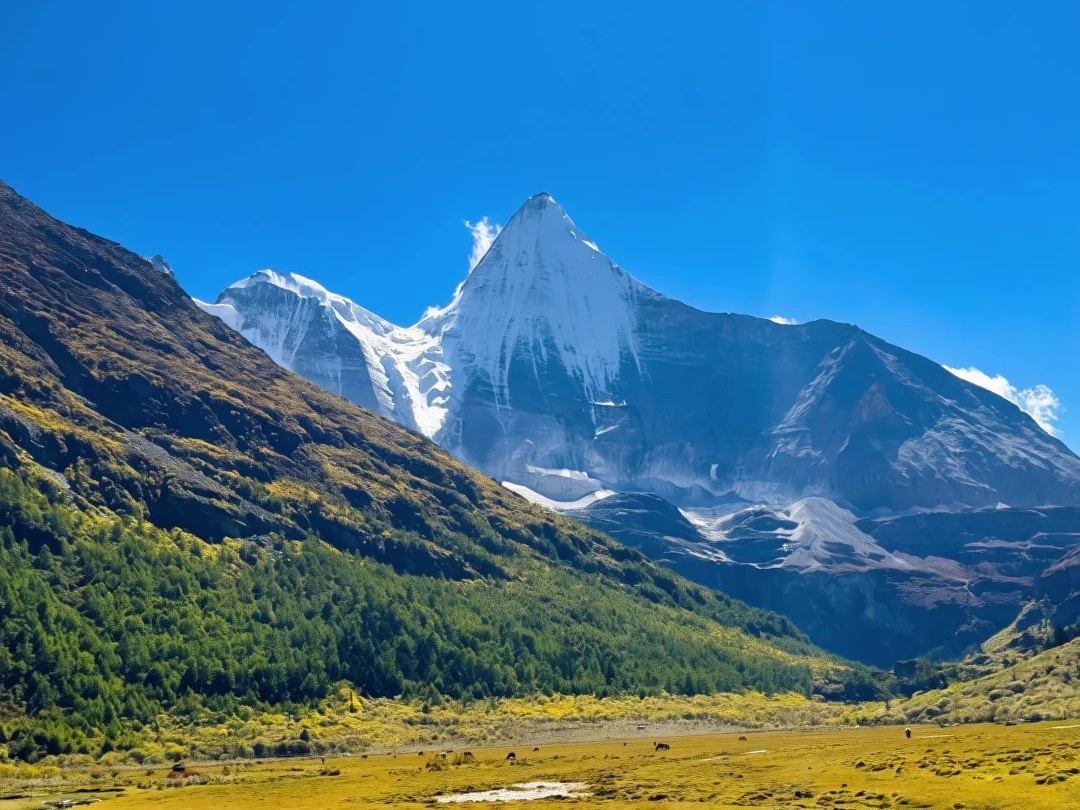
Daocheng Yading is a different kind of September destination. Its appeal lies in the relationship between snow mountains, meadows, forest slopes and high-altitude hiking routes. Early-autumn conditions can offer fine views, but weather may change rapidly, and different routes involve substantially different levels of walking. September is not permission to treat Yading as a casual city park.
When to go: September and October are recognized as attractive autumn months in Daocheng travel information, but early-September greenery and late-September color can differ. High elevations remain cold even on sunny days. Some hiking objectives require more physical effort, acclimatization and time than a typical sightseeing stop.
How to plan: Allow four to six days for the broader Daocheng/Yading trip depending on your entry point and whether you include rest time. Arrange transport to the designated visitor and park entrances, verify the day's permitted routes and shuttle services, and avoid packing a full strenuous hike immediately after arriving from low altitude. Anyone with relevant medical concerns should seek individualized medical advice before a high-altitude trip.
Best for: mountain lovers with realistic fitness and altitude expectations. Watch for: early starts, route restrictions, altitude symptoms and cold-weather changes. Compare a demanding Yading visit with the gentler valley-based options of Mount Siguniang before deciding.
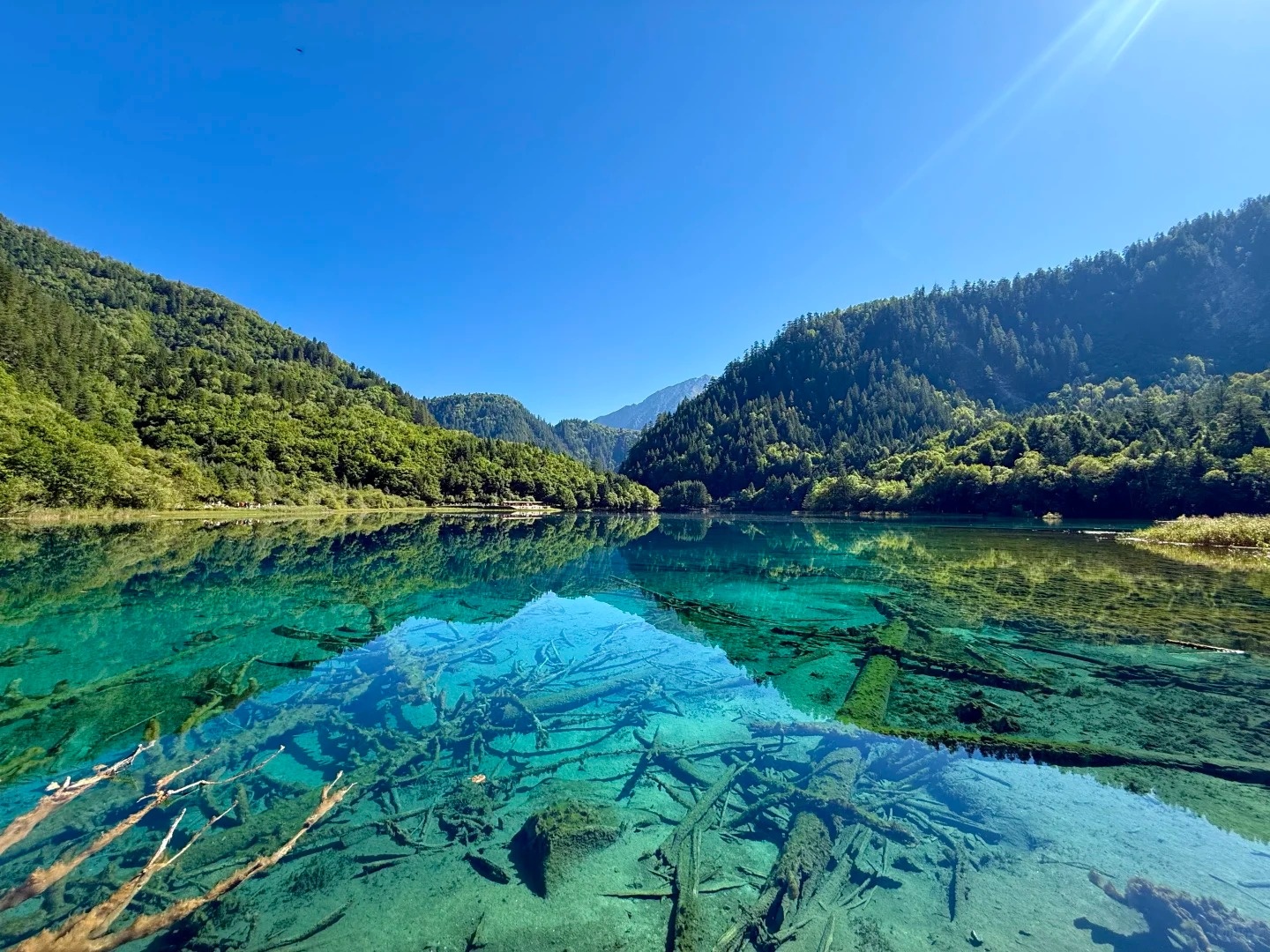
September can be a very worthwhile time for Jiuzhaigou's layered turquoise lakes, waterfalls and forested valleys. It is particularly suitable for visitors who care about the water and landforms as much as leaf color. However, the most dramatic combinations of red and gold forest with the lakes are often associated with October, not automatically the whole of September. A late-September trip may catch the first transitions, but that is not a substitute for checking current photos and conditions.
Nearby Huanglong adds travertine pools and a contrasting high-altitude landscape. It should be scheduled according to available time, the day's weather and the elevation of the selected walking areas, rather than treated as a short stop within a rushed journey. A three- to four-day regional visit from Chengdu works better than flying or taking a train in, seeing both parks immediately and racing home.
Understand three separate places: Huanglongjiuzhai Railway Station (黄龙九寨站) is a transport gateway, Jiuzhaigou Scenic Area (九寨沟景区) is the national park you visit, and Jiuzhaigou Entrance / Goukou (九寨沟沟口) is the practical hotel base near the park gate. The train station is not at the park. A 2024 local-government description put the station about 90 km from Jiuzhaigou Scenic Area; travel time is variable and depends on road conditions and transfers. Check which shuttle, bus or vehicle actually serves your arrival.
Best for: families and nature-focused travelers who prefer a full day's scenic exploration. Watch for: limited daily admission, changeable mountain roads, differing altitude and rain. For deeper choices of lake areas and seasons, see Jiuzhaigou Travel Guide, and for station-to-park logistics see Chengdu to Jiuzhaigou Transport Guide.
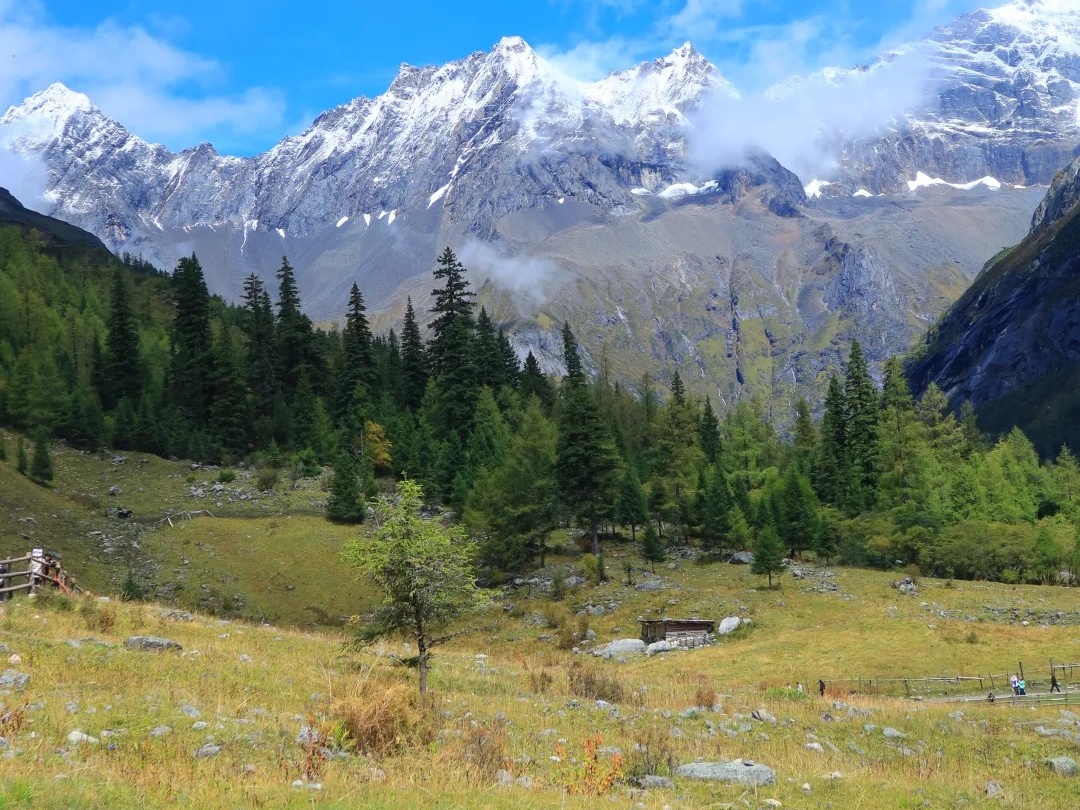
Mount Siguniang sits west of Chengdu and appeals to visitors who want dramatic peaks without necessarily committing to a multi-day trek. Shuangqiao Valley is an accessible introduction to the area, with a scenic-road/shuttle-based layout and multiple valley viewpoints. Changping Valley and more demanding routes suit other levels of walking interest and require separate planning.
When to go: September often retains green alpine meadows and forest, while colder nights begin to hint at seasonal transition. Do not sell September as a guaranteed gold-larch experience: the strongest forest color in western Sichuan is generally later. Snow peaks may be hidden behind clouds even when the valleys look attractive.
How to plan: From Chengdu, allow two to three days including the mountain transfer and one meaningful scenic day. A road journey crosses higher terrain, so bring layers, water and realistic expectations about bends, weather and slower travel. Staying nearby generally makes more sense than trying to fit a very long out-and-back drive around one quick photo stop.
Best for: families comfortable with altitude, travelers interested in snow peaks and low-to-moderate effort scenic touring. Watch for: changing road conditions, elevation and differences between valleys. A future Mount Siguniang Travel Guide can cover valley comparisons in more depth.
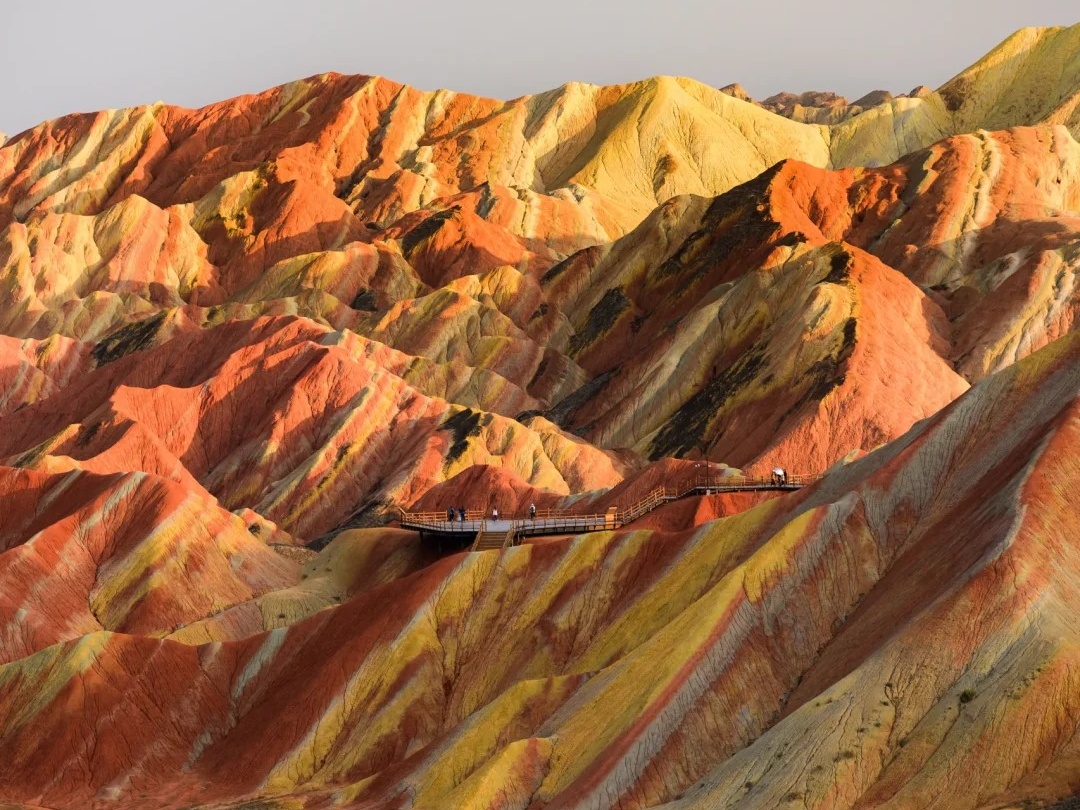
September is a strong candidate for a journey along Gansu's Hexi Corridor. In Zhangye, the multi-colored Danxia landforms are the focus; in Dunhuang, Mogao Caves, desert landscapes and Silk Road history provide a completely different experience. They are not neighboring attractions to combine casually as one short day. The route is most rewarding when you give each location its own time and account for substantial transport between them.
When to go: Compared with high summer, September can offer more manageable conditions for walking around exposed attractions, although sunny midday heat remains possible. Sunset colors are dependent on light and cloud, and a sand-dune day can still be windy. Mogao Caves admissions use regulated booking and visit arrangements; review the current official system instead of relying on an old ticketing walkthrough.
How to plan: Allow four to six days across Zhangye and Dunhuang, longer if entering overland from another city or including additional Silk Road stops. Decide first whether you will use trains, regional flights or a private road route. Protect a timed cave visit in advance; keep the sequence of desert and outdoor viewpoints flexible enough for wind or intense sun.
Best for: history, geology and landscape photography. Watch for: distances, cave reservation restrictions, wind and exposed terrain. This route is especially satisfying for visitors who have already seen China's larger eastern cities and want a different historical setting.
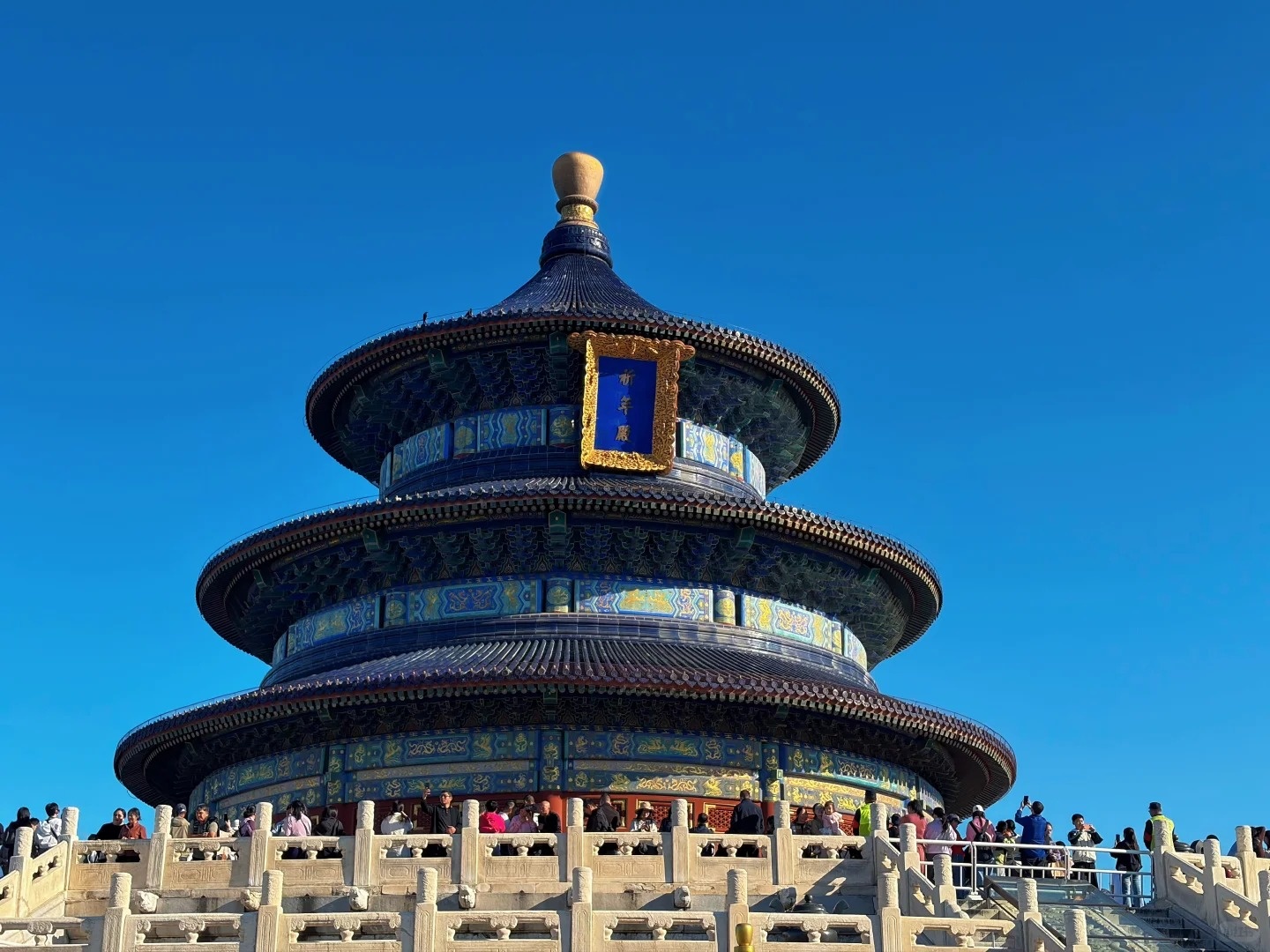
September is a sensible month to explore Beijing's museums, palaces, hutongs and the Great Wall. Summer humidity often begins to ease, creating better conditions for a full day on foot, though warm afternoons and rain remain possible. The city is an easy anchor for first-time visitors because there is a clear choice of cultural attractions, hotels and major transport connections.
What to see: A Forbidden City visit deserves serious time rather than being paired with every central landmark in a single morning. The Temple of Heaven, neighborhood lanes and a quieter park reveal other facets of the city. Choose your Great Wall section based on walking needs, transport and the experience you want; Mutianyu is a common managed option, not the only choice.
How to plan: Allow three to four days, including a full Great Wall day. Check admission and reservation rules directly with the relevant attraction before booking non-refundable transport. If you visit around Mid-Autumn Festival, expect some popular areas to be busier; if you cross into early October, National Day demand is a different and often larger planning factor.
Best for: first-time visitors, history, architecture and families. Watch for: security queues, attraction closure days and the real door-to-door cost of a Great Wall outing. Your passport and entry situation should be settled before locking in the trip; China Visa Guide is the relevant companion article.
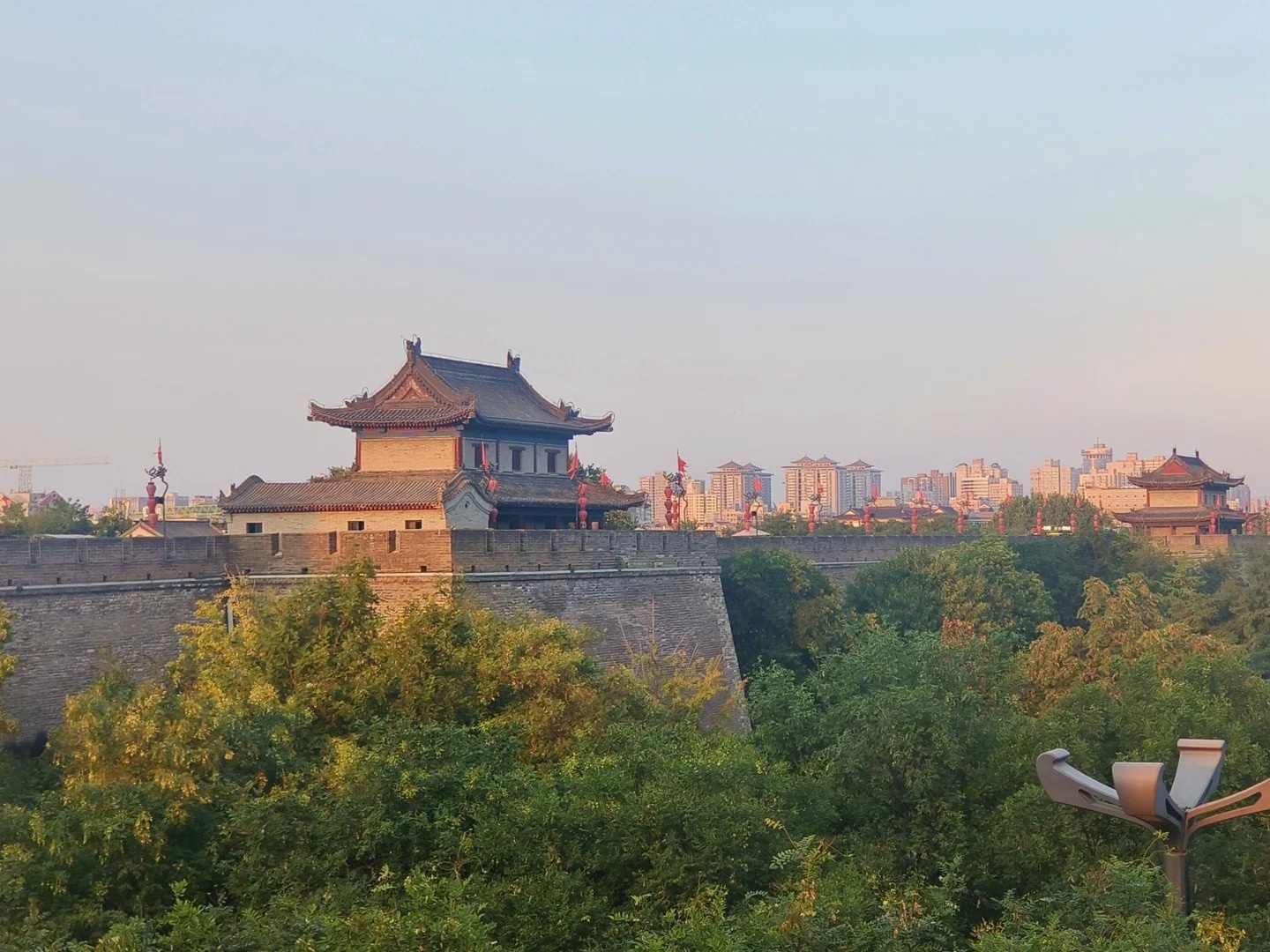
Xi'an brings a compact blend of heritage and contemporary street life to a September itinerary. The Terracotta Warriors require a dedicated excursion outside the city center, while the City Wall, old neighborhoods and food streets invite a slower day. It is a good pairing with Beijing for visitors who want to understand China's imperial history through two different capital cities.
When to go: September may be less oppressive than peak summer, but afternoon heat and rainfall remain possible. A comfortably walkable city day is never guaranteed solely by the month. The City's Wall is not a short indoor attraction; plan sun protection and choose a manageable walking section if you are traveling with children or older relatives.
How to plan: Allow two to three days. Beijing–Xi'an rail travel is possible, but check the exact stations because the same city can have several major railway terminals. Foreign visitors can use passport-based ticketing after completing the required verification. For current booking steps, station checks and boarding, consult the China Train Guide.
Best for: first-time China trips, food enthusiasts and history lovers. Watch for: making a rushed same-day Terracotta Warriors visit after a long train arrival, or confusing city stations with scenic-area pickup locations.
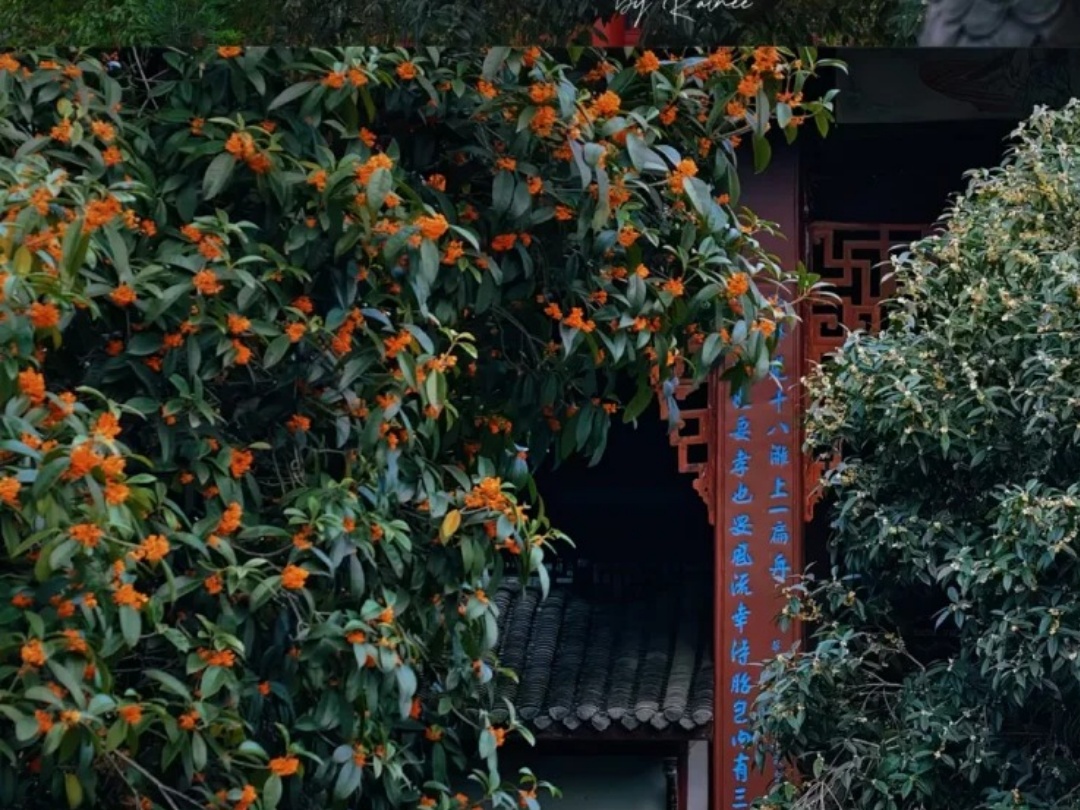
Chengdu and Chongqing are connected well enough to combine but have different personalities. Chengdu is the stronger choice for giant pandas, teahouse culture and a relaxed introduction to Sichuan cuisine. In a three-day stay, pair a panda morning with a neighborhood or cultural visit rather than spending every hour in landmark queues. Traditional tea drinking is as important to a Chengdu day as a high-profile museum.
Chongqing is about hills, rivers, transport layered across steep slopes, food and evening city views. Hongyadong, Liziba and the stepped streets make more sense as parts of a city journey than as isolated photo targets. September can still be warm and humid, especially in the first half of the month, so this pairing is about urban experience, not claiming the cities are guaranteed cool autumn escapes.
How to plan: Allow four to five days for both cities, plus time for the intercity train. Chengdu is also a sensible gateway to a separate Jiuzhaigou journey. Avoid promising a same-day Chengdu → Jiuzhaigou → Chongqing loop: that is not how the transport geography works. Plan for the railway or road leg and the transfer from station to attraction.
Best for: international food travelers, families wanting a city-and-nature combination, people who value varied local culture. Watch for: steep walking, weather, and not confusing famous urban viewpoints with easy door-to-door access. For urban transport and intercity choices, Getting Around China offers a useful primer.
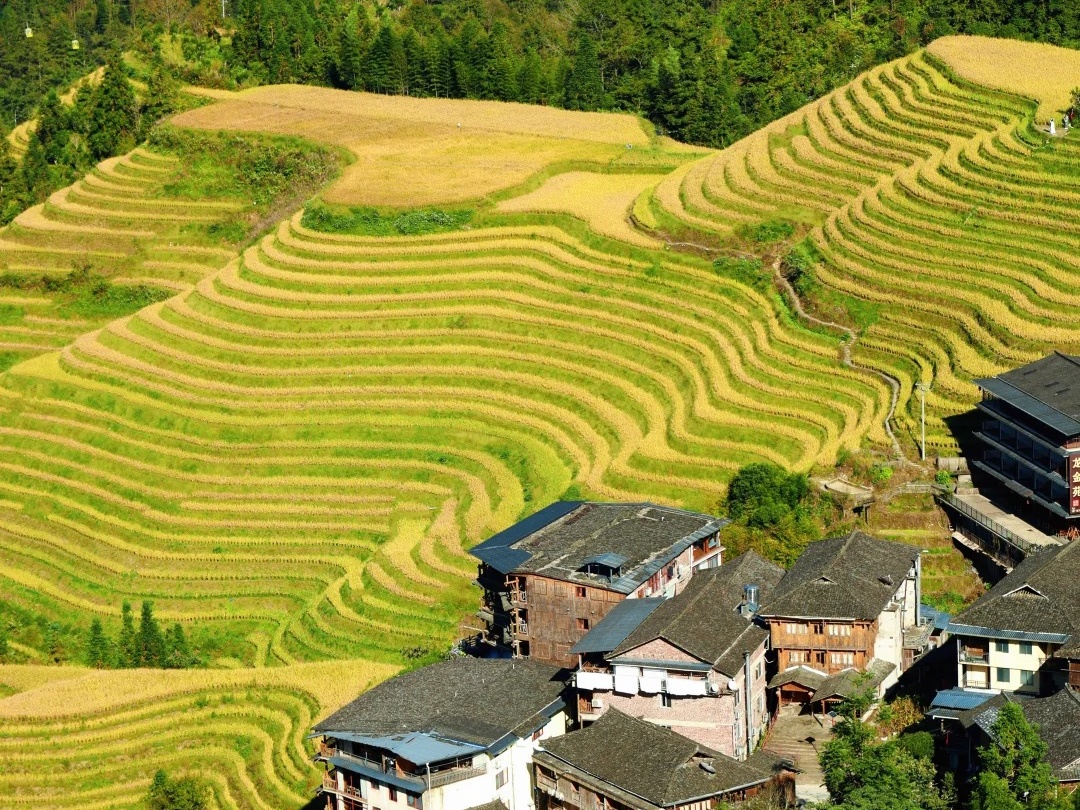
Guilin's karst mountains and Li River scenery remain worthwhile in September. Nearby Longji Rice Terraces, in Longsheng, are particularly interesting because this month can capture the transition from green rice to ripening yellow fields. The visual effect is different from the mirror-like flooded terraces of spring, and the harvest stage varies by altitude, village and farming schedule.
When to go: Late September and early October are stronger starting points if golden rice is your priority. Official Guangxi agricultural reporting describes the Longji terraces as still green in mid-August, with yellowing rice normally becoming more prominent from mid-to-late September into early October. Do not apply the same date to every field or guarantee that harvesting has not started.
How to plan: Spend three to four days across Guilin, Yangshuo and Longji if you want both river scenery and terrace walking. Longji requires a separate mountain-area transfer; it is not just another downtown stop. Choose where to sleep based on whether sunrise views and village footpaths matter more than a convenient city hotel. A Li River excursion and a Longji outing are both better treated as substantial activities than squeezed between major transport departures.
Best for: landscape photography, village scenery and travelers seeking a rural counterpoint to cities. Watch for: rain-slick steps, steep paths, possible visibility changes and harvest timing. For an independent terrace-focused follow-up, see Longji Rice Terraces: September and October Timing.
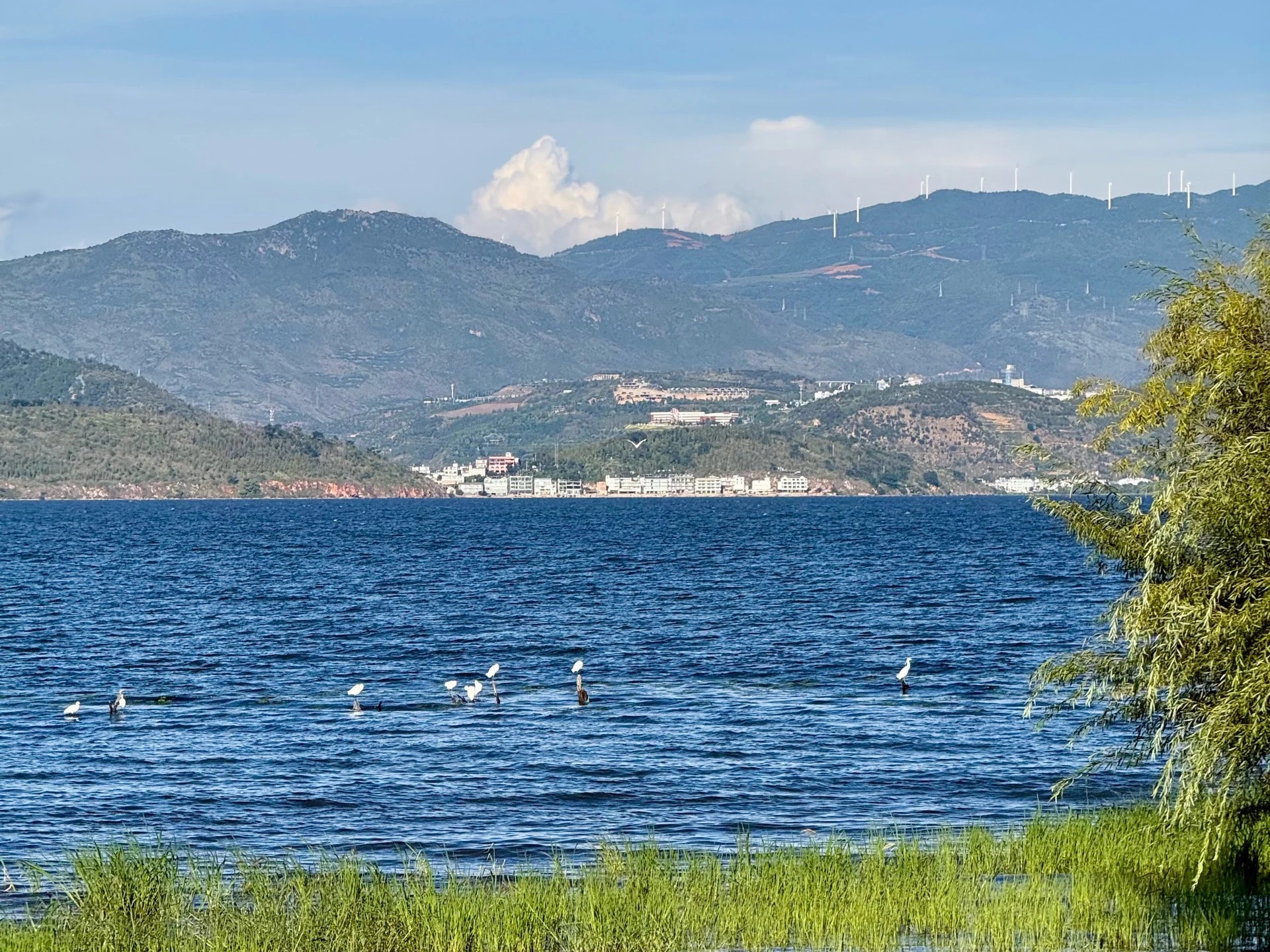
This Yunnan combination brings lake towns, historic streets, mountain backdrops and Tibetan-influenced highland culture in a route that changes markedly with altitude. Dali works well for Erhai and slower Bai cultural experiences; Lijiang combines an old town with access to nearby mountain landscapes; Shangri-La is higher, colder and requires more careful pacing.
When to go: September can be a rewarding shoulder-season choice, but rain may still appear and the landscape should not be advertised as uniformly crisp, sunny or autumn-gold. A photograph of a snow peak does not establish that it will be visible on your chosen day. As you move toward Shangri-La, nights and mornings are typically cooler than around Dali.
How to plan: Allow five to seven days rather than trying to cover all three in a rushed weekend. Choose transport between locations according to your flight and train options; take time to adjust to the higher-altitude end of the journey. Save the Chinese names of accommodation and arrival points, particularly if arranging a pickup outside a major city.
Best for: couples, culture and photography travelers, people who enjoy staying in one place for two nights or more. Watch for: elevation, rainy weather, overpacked schedules and assuming that a single Yunnan weather forecast describes every stop.
Northern forest destinations can be cold in the morning even while southern and lower-elevation cities stay warm. Mountain weather is less predictable than a city's average monthly temperature. Instead of packing for a national 'September climate', pack for the coldest and wettest part of your specific itinerary. Layers, a practical rain shell, shoes with reliable grip, sun protection and a power bank cover more real problems than one fashionable seasonal outfit.
If autumn foliage is your main goal, compare late September Kanas or Arxan with October Jiuzhaigou. September Jiuzhaigou is excellent for lake-focused scenery; it is simply not the same promise as peak October color. Likewise, September Longji may be green, mixed green-and-yellow or nearly ripe, depending on the date. Route dates should come before photo expectations.
September 15, 2027 is Mid-Autumn Festival (中秋节), associated with family gatherings, mooncakes and moon-viewing traditions. A visitor may encounter seasonal displays and special foods, but should not expect every destination to stage the same public celebration. The official 2027 leave and make-up-work schedule needs checking before travel, and specific events require their own verification.
If your journey reaches October 1, it intersects National Day and the start of a much higher-demand domestic travel period. Trains, central-city hotels, popular scenic-area entrances and regional road access deserve early attention. Booking windows are not the same as the date you begin planning: China Railway currently describes a 15-day ticket presale window, subject to operator updates, so it is sensible to plan routes earlier and buy tickets as they become officially available.
Confirm your current visa or visa-free eligibility for your passport and route; national rules can change before your departure. Bring the original passport used for intercity transport bookings. Save hotels, train stations and scenic park entrances in Chinese as well as English, because an English translation may not identify the correct pickup point to a driver. Carry an alternative payment method in case your primary mobile wallet does not work.
Mobile data also matters on mountain transfer days, when station shuttles, payment and messaging are less forgiving of a late setup. China Travel Apps helps prioritize essentials; Internet in China compares roaming, eSIM and Chinese SIM options. Do not assume a local SIM or travel eSIM automatically solves every international app-access issue.
Day 1 — Arrive in Chengdu. Check in, confirm payment and mobile data, and enjoy an easy neighborhood dinner. Do not schedule a long mountainous road transfer straight after an overnight international flight.
Day 2 — Chengdu city experiences. Visit the panda base early, then explore a teahouse or neighborhood food area. Keep the evening flexible.
Day 3 — Chengdu → Huanglongjiuzhai Station → Huanglong → Jiuzhaigou entrance area. Travel by a suitable train, meet your confirmed road connection, and visit Huanglong if arrival time, weather, ticketing and elevation conditions allow. Otherwise make this a transfer day and adjust the plan. Sleep near Jiuzhaigou's park entrance.
Day 4 — Jiuzhaigou Scenic Area. Dedicate a full day to the park's lake and waterfall areas. Confirm entrance arrangements and currently open routes.
Day 5 — Jiuzhaigou → Chengdu. Complete the road connection to the relevant railway station and take a suitable train to Chengdu, or use a confirmed road alternative. Do not invent a guaranteed departure time.
Day 6 — Chengdu → Chongqing. Travel between the cities, settle into a central hotel and spend the afternoon and evening exploring layered streets, riverside views and local food.
Day 7 — Chongqing departure. If flight timing permits, add a relaxed city walk rather than another long excursion. This route is an example, not a confirmed departure or package offer.
Day 1 — Arrive in Urumqi. Overnight and confirm the onward connection to the Altay area. Flight or overland availability must be checked for the actual dates.
Day 2 — Transfer to the Altay / Burqin area. Use the day for the regional journey, not a pretend full sightseeing day after a long transfer.
Day 3 — Burqin → Kanas. Enter the designated scenic area through the current ticketing and shuttle arrangement; keep the afternoon light.
Day 4 — Kanas. Allow a complete day for lake, river and forest viewpoints, adjusting for weather and site rules.
Day 5 — Kanas → Hemu. Travel between the scenic areas using the current permitted access method and settle into accommodation.
Day 6 — Hemu. Spend time on river valley and village-area walks, keeping photography flexible around visibility and weather.
Day 7 — Hemu → Altay / Burqin departure hub. Plan sufficient time for the long road connection and an overnight if needed.
Day 8 — Return connection or onward departure. Confirm whether flying via Urumqi or another approved connection is practical. Avoid arranging a tight international connection without a buffer.
Day 1 — Arrive in Beijing. Save hotel information in Chinese and begin with an easy city walk.
Day 2 — Imperial Beijing. Visit the Forbidden City or another key historic area according to official entry arrangements and opening schedules.
Day 3 — Great Wall. Give the chosen wall section a full day including transfers, security and walking.
Day 4 — Beijing → Xi'an. Travel by high-speed rail from the correct station, and explore Xi'an's old-city area after check-in if time allows.
Day 5 — Terracotta Warriors. Plan an unhurried excursion; use the evening for local food or a City Wall walk.
Day 6 — Xi'an departure. Leave enough time for the airport or railway transfer. This is a cultural itinerary and does not pretend to include China's far western autumn forests.
Choose accommodation by transfer geography, not just a photograph of the room. In Jiuzhaigou, staying near the park entrance reduces friction before a full scenic day; the railway station is elsewhere. In northern Xinjiang, decide whether lodging is inside a scenic-area zone and whether luggage and shuttle access are straightforward. In Chengdu and Chongqing, a central hotel near convenient transport can help more than an isolated luxury address. For Longji, a mountain village stay rewards travelers who value sunrise and walking but is less ideal when carrying heavy suitcases or needing effortless evening transport.
As a practical rule of thumb, six to eight days usually suit one region or two well-connected city bases. A mountain route may need a dedicated transfer day that cannot be converted into a full sightseeing day. If you have only a week, do not combine Kanas, Jiuzhaigou and Guilin: they are scattered across the country and would consume much of the trip in connections.
Yes, for many routes. Northern forests may start showing fall colors late in the month, mountain landscapes can be appealing, and cultural cities are often more comfortable than in midsummer. The right answer still depends on region, altitude, rainfall and the exact week.
Kanas and Hemu in northern Xinjiang and Arxan in Inner Mongolia are strong candidates for the second half of September. Foliage timing changes each year, so look at recent local updates rather than treating a travel photograph as an exact calendar.
Jiuzhaigou has blue lakes and green-to-changing forests in September, but its broadest gold-and-red forest displays are more commonly associated with October. September remains worthwhile for scenery; it simply should not be advertised as guaranteed peak foliage.
It depends on the destination. Late September is attractive for parts of northern Xinjiang and Inner Mongolia. October can be stronger for Jiuzhaigou's autumn forests, but the early-October National Day holiday can make transportation and popular sites very busy.
It falls on Wednesday, September 15, 2027. Confirm the mainland holiday schedule and individual city events closer to departure; festival date and holiday travel arrangements are different questions.
A train can take you to a regional gateway such as Huanglongjiuzhai Station, not into the scenic area's entrance. You still need a road transfer to the park or the accommodation area near the entrance. Confirm the current schedule and the correct destination point.
Allow several days in the Altay region, and normally about five to eight days including major arrival and departure legs if arriving from elsewhere in China. Weather and scenic-area transportation can make a very short visit frustrating.
Both can be attractive, but they are very different visits. Daocheng Yading can involve more demanding high-altitude walking; Mount Siguniang's Shuangqiao Valley is usually a more approachable scenic option. Neither is a guarantee of perfect weather or peak leaf color.
Pack by route. You may need light clothing for city days, a warm layer for northern or highland nights, rain protection, sun protection, comfortable walking shoes and a charged phone. Keep the original passport and Chinese addresses accessible on transfer days.
September rewards careful regional choices rather than a race to collect every famous attraction. Go north late in the month if you want the first golden forests, choose western Sichuan if mountain water and peaks matter more than peak foliage, or build a city route around Beijing, Xi'an, Chengdu and Chongqing if history and daily life are your priorities. For rural destinations and multi-stop mountain journeys, a local team can help discuss pacing, transfer logistics and hotel locations around your real travel dates.

NACAYO TRAVEL
China-Based Local Travel Specialists
Tailor-Made Travel · Private Tours · Local Experiences
TRUST FIRST. FUN FOLLOWS.
Our China-based team can help international visitors plan privately arranged journeys, including destinations, transport, accommodation and local experiences, subject to actual availability. Ask Nacayo Travel about a September itinerary.