


Nacayo
旅游攻略
August 2027 travel planning · Alpine lakes, grasslands, summer landscapes
August is a month of contrasts in China. The streets of Chongqing, Shanghai and many lowland cities can be intensely hot, while western Sichuan, the Qinghai Plateau and northern grasslands offer a very different summer landscape. It is also a season of green mountains, full rivers, grazing animals and long outdoor days—along with school-holiday crowds, mountain rain and occasional road disruptions.
The best August trip is not necessarily the coolest place on a weather map. Choose the scenery you actually want, then check altitude, rainfall, transfer time and tickets. For an accessible nature-focused introduction, consider Jiuzhaigou; for big highland scenery, Mount Siguniang or Qinghai Lake; for open grasslands, Ili or Hulunbuir; and for landscapes mixed with culture, Yunnan or Guizhou. These are destination choices, not eleven stops to squeeze into one holiday.
Yes—particularly for travelers who want green mountains, highland lakes, grasslands, outdoor scenery and longer daylight hours. August is less straightforward for a sightseeing trip built around very hot lowland cities. The fact that a scenic area sits in the mountains does not make its roads immune to summer rain, and a destination described as "cool" may still be crowded or at high altitude.
China is too geographically varied for a single August weather forecast to be useful. Chengdu and Chongqing are warm-to-hot urban bases; Jiuzhaigou and Mount Siguniang are cooler at elevation; Qinghai can have brilliant sunshine but cold evenings; northern Xinjiang and Inner Mongolia offer open landscapes with local weather changes; and places such as Zhangjiajie and Guilin are humid, green and subject to heavy rain. A raincoat and a flexible afternoon are often more useful than a promise of perfect sunshine.
Another difference is domestic summer-holiday demand. August is a popular period for Chinese families to travel. Train seats, well-located hotels and famous scenic areas can become harder to secure even without a long national public holiday. Reserve the activities that limit entry, but leave weather-sensitive walks and viewpoints some flexibility.
Quick choice by travel style: turquoise mountain lakes → Jiuzhaigou; alpine valleys → Mount Siguniang; plateau lake views → Qinghai Lake; expansive mountain grasslands → Ili; open steppe country → Hulunbuir; Tibetan-influenced landscapes → Gannan; highland culture and towns → Lijiang and Shangri-La; forests and clear-water scenery → Libo; sandstone peaks → Zhangjiajie; karst rivers → Guilin and Yangshuo; monasteries and high-altitude culture → Lhasa. For the bigger seasonal picture, compare our Best Time to Visit China guide.
Jiuzhaigou, Sichuan
Most rewarding experience: Blue-green lakes and forests
Suggested stay: 1 full scenic day; 3–4 days from Chengdu
August consideration: Crowds, ticket reservations, rain-related adjustments
Mount Siguniang, Sichuan
Most rewarding experience: Alpine valleys and mountain views
Suggested stay: 2–3 days from Chengdu
August consideration: High elevation and mountain-road weather
Qinghai Lake
Most rewarding experience: Plateau lake and grassland horizons
Suggested stay: 2–3 days
August consideration: Strong sun, cold nights and altitude
Ili, Xinjiang
Most rewarding experience: Tianshan grasslands and valleys
Suggested stay: 5–7 days
August consideration: Long drives, summer demand, seasonal road controls
Hulunbuir, Inner Mongolia
Most rewarding experience: Open grasslands and rural landscapes
Suggested stay: 4–6 days
August consideration: Large distances; landscape changes as summer advances
Gannan, Gansu
Most rewarding experience: Grasslands, monasteries and villages
Suggested stay: 4–6 days
August consideration: Altitude, local access and slow road travel
Lijiang and Shangri-La, Yunnan
Most rewarding experience: Old towns and mountain culture
Suggested stay: 4–6 days
August consideration: Rainy season, elevation difference
Libo, Guizhou
Most rewarding experience: Forests, clear water and karst scenery
Suggested stay: 2–3 days
August consideration: Heavy rainfall can affect paths and rivers
Zhangjiajie, Hunan
Most rewarding experience: Sandstone pillars and elevated walks
Suggested stay: 3–4 days
August consideration: Heat below, storms, fog and queues
Guilin and Yangshuo, Guangxi
Most rewarding experience: Karst scenery and countryside
Suggested stay: 3–4 days
August consideration: Heat, humidity and river conditions
Lhasa, Xizang (Tibet)
Most rewarding experience: Tibetan culture and plateau landscapes
Suggested stay: 4–6 days minimum
August consideration: Special travel arrangements and acclimatization
Best for: clear-colored lakes, forest boardwalks and an accessible introduction to western China's mountain scenery. Suggested time: a complete day inside the scenic area, with around three to four days from Chengdu when travel is included.
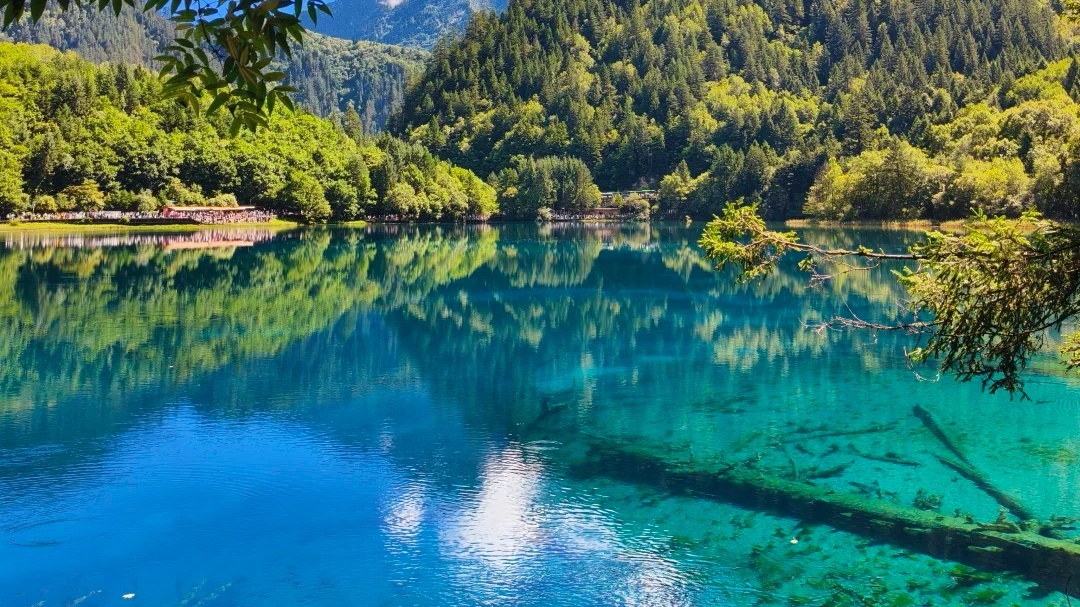
Jiuzhaigou is usually associated with autumn foliage, but August offers a different palette. Dense green forest surrounds lakes that can appear blue, jade or turquoise depending on light and water conditions. Waterfalls and walking routes give the valley a lively summer atmosphere. It is a destination where a visitor who is not a serious hiker can still see remarkable landscapes using the scenic-area sightseeing transport and designated paths.
The practical decision is not simply whether Jiuzhaigou is beautiful in August; it is how to secure a full and workable day there. Do not mistake Huanglongjiuzhai Railway Station (黄龙九寨站) for a station inside the scenic area. Rail may be useful for the Chengdu portion of your journey, but you must still arrange the onward road transfer, hotel and entrance timing. Stay near the Jiuzhaigou entrance the night before when possible rather than planning a same-morning long transfer and a hurried visit.
August 2026 provided two clear reminders: the official scenic-area website published sold-out notices for multiple August dates, and the site temporarily adjusted visitor access after a July mudslide before reopening fully. Neither event predicts an identical 2027 disruption; both show why confirmed tickets and current weather notices matter. The official notice and reservation information should take priority over old travel blogs.
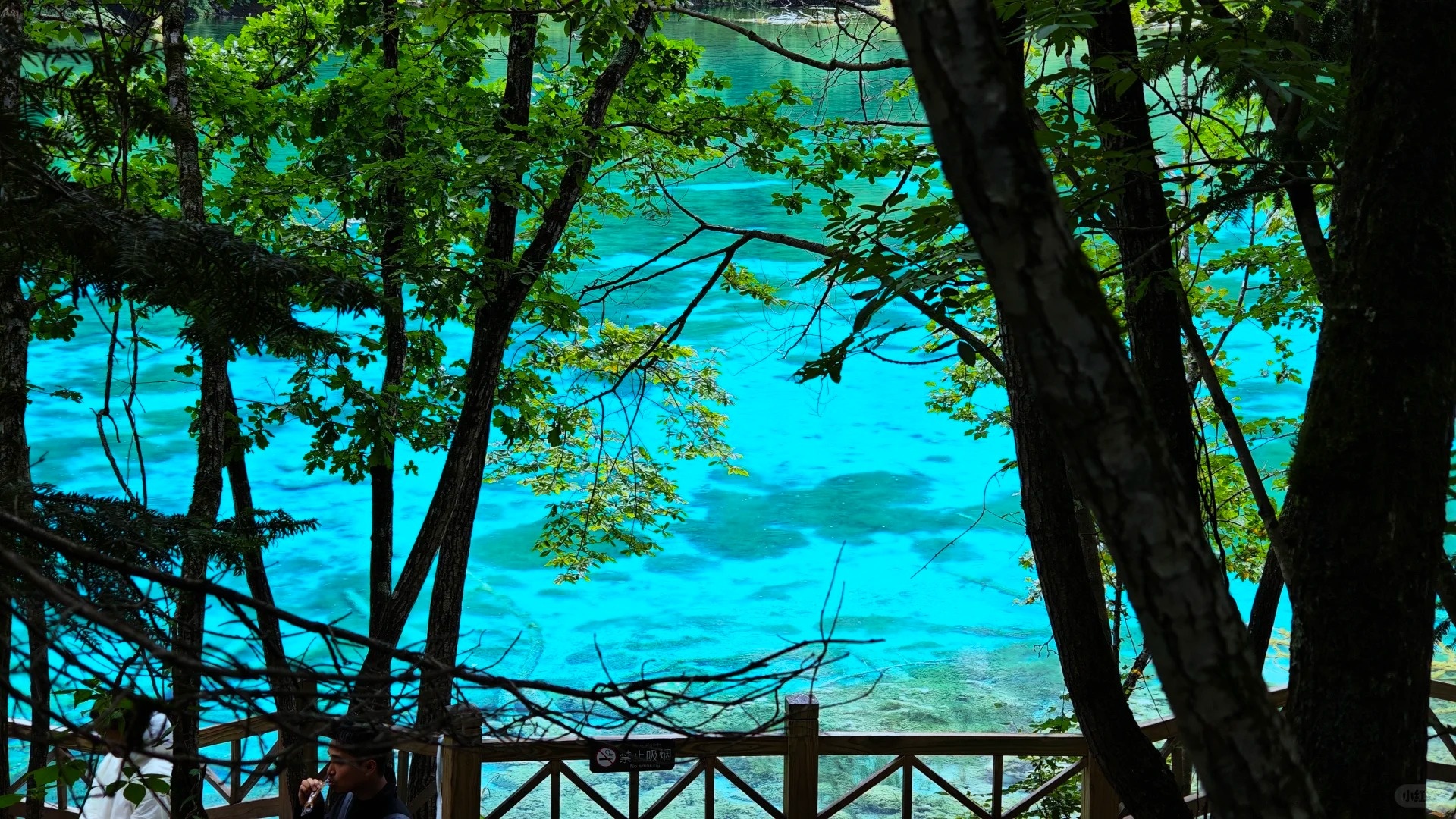
PHOTO 02 · Jiuzhaigou turquoise lake and green summer forest, documentary landscape photo · 1200 × 800
How to plan it: allow one full day for Jiuzhaigou, add travel time from Chengdu, and treat Huanglong as a separate possible stop rather than something to "fit in" automatically. The high-altitude roads around Huanglong need a suitable time budget. Go deeper: Jiuzhaigou Travel Guide and How to Get from Chengdu to Jiuzhaigou explain the visit and the final road connection separately. You can also consult the Jiuzhaigou official notice page immediately before travel.
Best for: mountain scenery, summer wild greenery and a short western-Sichuan journey from Chengdu. Suggested time: two or three days, including road travel.
Mount Siguniang (四姑娘山) is not one single viewpoint. The area includes different valleys with different levels of walking and sightseeing. Shuangqiao Valley is a useful choice for visitors who prefer scenic transport with shorter walks, while longer or more demanding valley routes need a separate fitness, weather and access assessment. You do not need to attempt a mountain summit to enjoy this destination.
In August, streams, meadow sections and forested slopes can look fresh and green, and peaks may appear between moving clouds. That last point matters for photography: a mountain does not stay visible all day just because an itinerary lists it. Consider giving yourself an unhurried morning and avoid designing the day around one guaranteed unobstructed summit photograph.
For foreign travelers, altitude and road conditions deserve more attention than the usual promotional list of "photo spots." Chengdu is much lower. Reaching highland viewpoints quickly can cause discomfort, especially if your trip includes strenuous walking. Mountain roads can also be affected by heavy rain, falling rocks or temporary traffic controls. Check the route on the day, dress in layers and avoid stacking three distant mountain attractions into one short day.
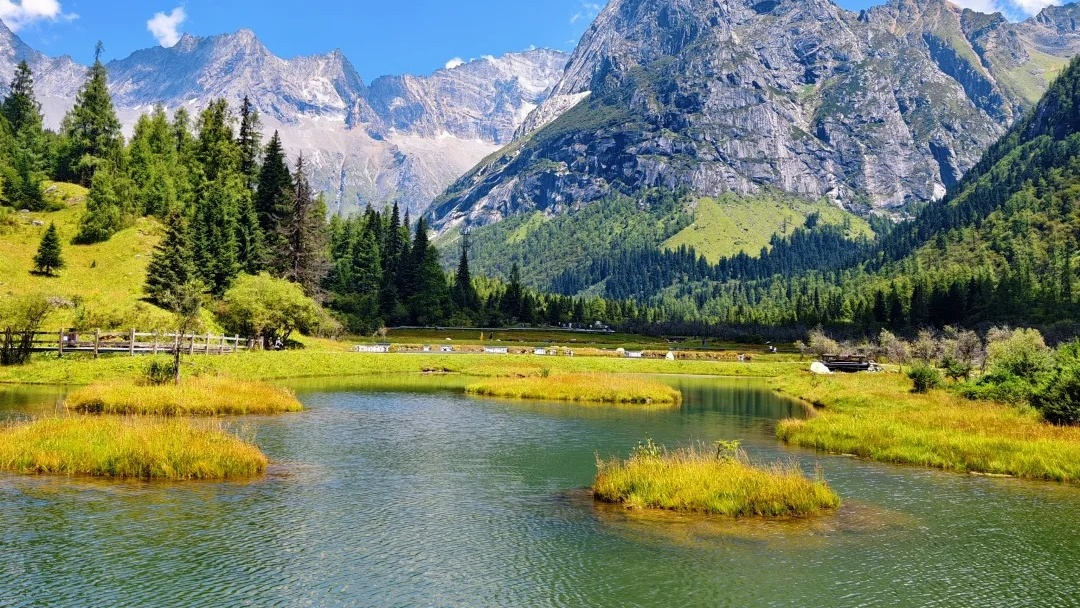
PHOTO 03 · Mount Siguniang Shuangqiao Valley meadows, streams and visible rocky snowy peaks · 1200 × 800
How to plan it: arrive from Chengdu, stay around the Mount Siguniang area, visit Shuangqiao Valley on a full day and return with enough flexibility for weather. Readers considering a longer plateau route can follow Mount Siguniang Summer Travel Guide, a planned detailed article rather than an already confirmed live page.
Best for: open skies, lakeside photography and wide plateau landscapes. Suggested time: two or three days based in or around Xining, depending on the route and stops.
Qinghai Lake (青海湖) is a different kind of lake journey from Jiuzhaigou. Instead of moving from one enclosed forest lake to another, travelers encounter a broad expanse of water, grassland, distant hills and immense skies. Around early and midsummer, parts of the surrounding countryside can display yellow rapeseed flowers, but the flowers do not last at a fixed intensity throughout August. Go for the landscape itself, not an unverified promise of endless yellow fields.
Xining is a practical gateway for many itineraries. The lakeshore is far enough from the city that a visit takes real road time; a multi-stop drive should include breaks rather than being described as effortless. Conditions can feel comfortable in sunlight and sharply cooler when the wind rises or clouds move in. Sun protection is important even on a day that does not feel hot.
Because the area is on the plateau, travelers arriving from low elevations should keep the first day gentle. A scenic roadside stop is not an invitation to run up a hill immediately. Families who prefer a less demanding holiday may enjoy shorter viewpoints and a lakeside overnight stop instead of a very long loop with several distant attractions.
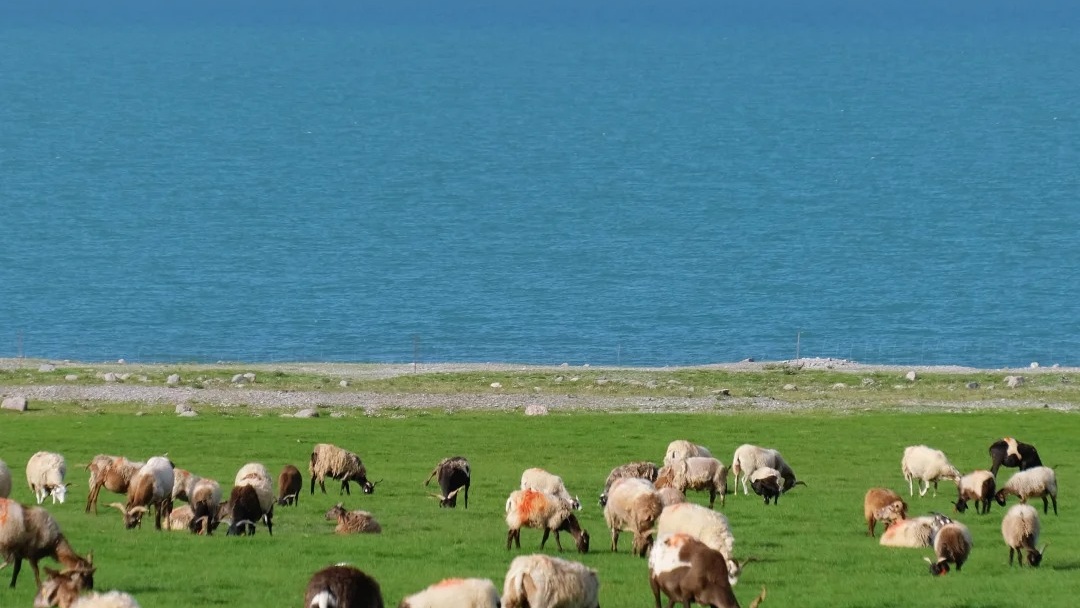
PHOTO 04 · Qinghai Lake summer shoreline with grassland and distant mountains · 1200 × 800
How to plan it: use Xining as the start or end point, choose a limited section of shoreline, check local conservation and access rules, and compare road travel with the time you actually want beside the lake. Avoid adding Gansu's faraway landmarks as if they were next door.
Best for: high mountain pastures, dramatic road scenery and a longer nature-focused trip. Suggested time: at least five to seven days for an Ili-centered route, not including a large cross-country detour.
The Ili region is a strong summer destination because its geography changes quickly: mountain meadows, spruce forest, wide valleys and highland water appear along the journey. Well-known areas include Nalati and Kalajun, but each has its own entrance, internal transport and road approach. In August, the grasslands can still be green; peak wildflower scenes often occur earlier in summer, so visitors should not expect every meadow to be in its June or July bloom.
What looks close on a map may require a substantial drive. A better trip uses one or two scenic bases and explores them properly rather than collecting many grassland names in a day. Routes such as the Duku Highway are seasonally operated and can be closed temporarily by weather or road management. They should be included only with a confirmed open status and an alternate route.
Choose this region if a road-based holiday with several outdoor days is genuinely what you want. If you prefer short city transfers, cafés and a relaxed museum schedule, Ili may feel more logistically demanding than its photographs suggest. Keep passports accessible, confirm current local entry or border-area requirements for your exact route and book legitimate accommodation.
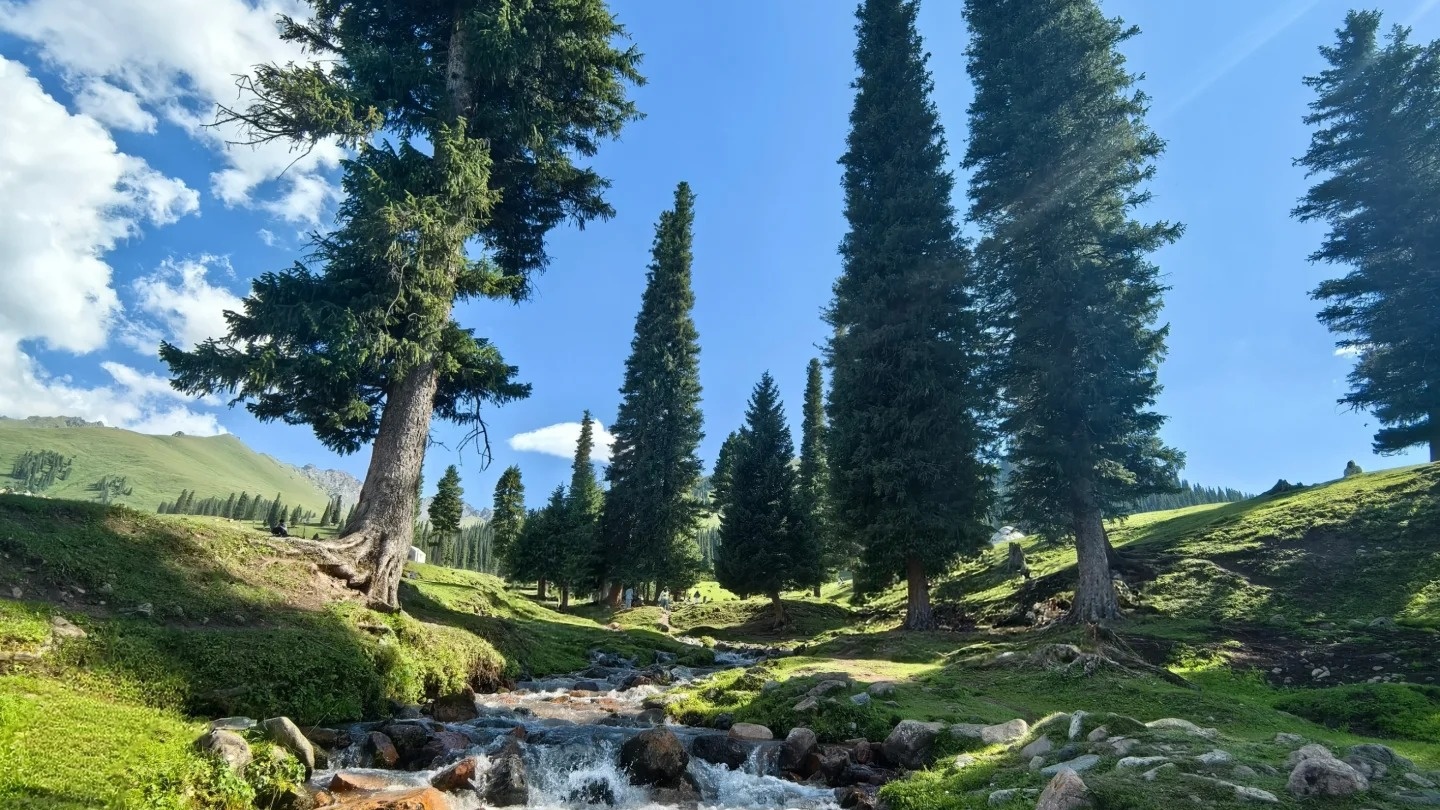
PHOTO 05 · Ili Nalati grassland, Tianshan spruce forest and grazing horses in August · 1200 × 800
How to plan it: arrive through a suitable Xinjiang air or rail hub, then spend several nights in the Ili region. Do not combine Ili, Kashgar and Altay into an "easy" seven-day circuit. See the planned Ili Summer Itinerary and Road Planning Guide for a more detailed route framework.
Best for: the feeling of space, countryside drives, pastoral scenery and slower photography. Suggested time: four to six days.
Hulunbuir is a good choice for travelers who imagine Mongolia-style grassland scenery but want a trip within China. Its appeal lies in scale: fields that seem to run to the horizon, grazing animals, village stops and skies that change character as clouds roll through. Rather than expecting one postcard viewpoint, plan for several days of moving through different landscapes.
The appearance of the grassland changes through August. In some places, haymaking begins later in summer, and the countryside may shift from lush green toward cut grass and early autumn tones. That is part of the agricultural landscape, not evidence that the destination has failed to match a photograph. Travelers mainly seeking intensive wildflower photography should verify local seasonal timing carefully.
Road distances are larger than they look, and accommodation standards vary between towns and rural areas. A trip is more comfortable when you choose a realistic daily driving limit, allow time for stops and avoid assuming horseback riding is included at every location. If offered an animal activity, confirm the provider's safety practices and decide whether it fits your preferences.
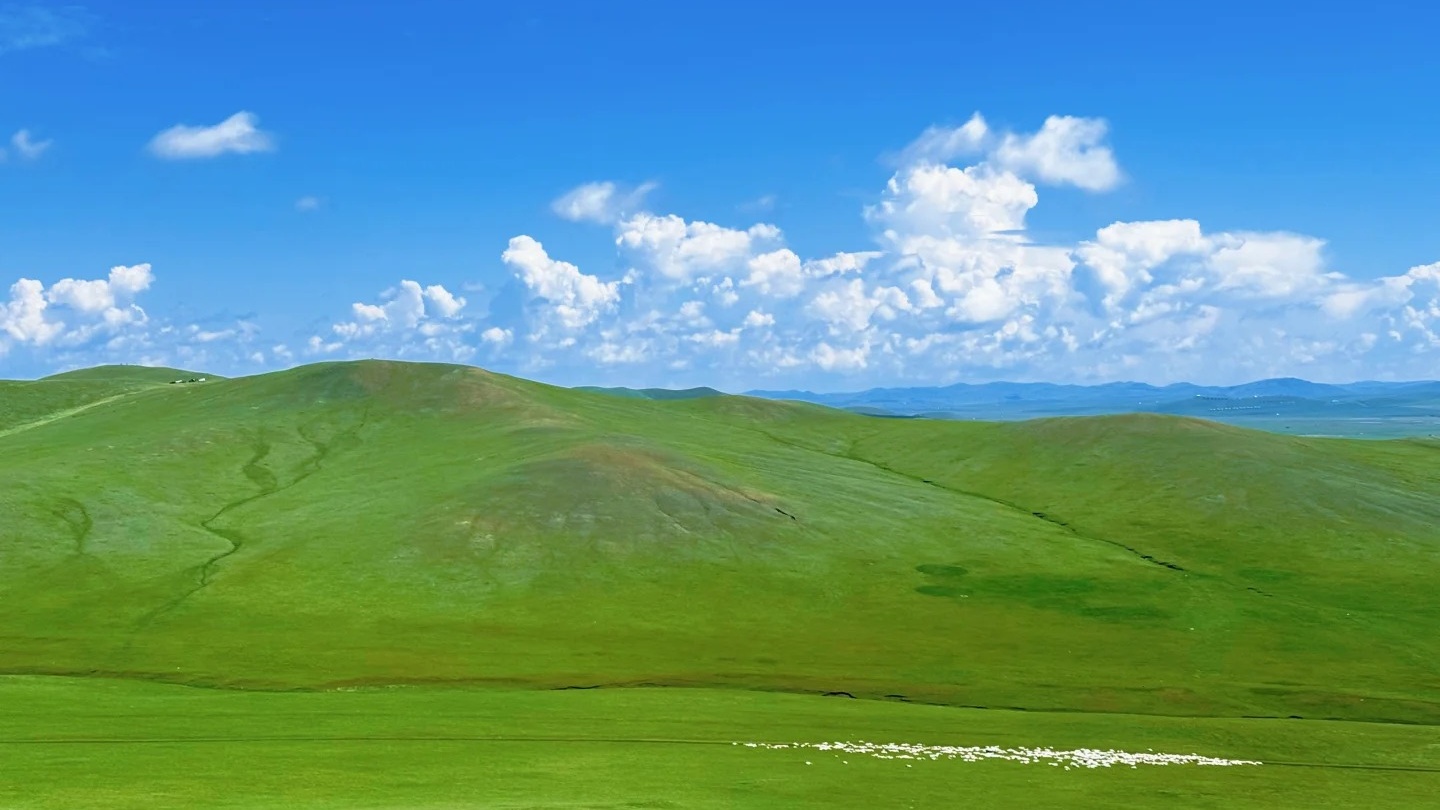
PHOTO 06 · Hulunbuir summer steppe vast fields grazing animals and cloud patterns · 1200 × 800
How to plan it: build a circuit from a suitable Hulunbuir gateway, combining countryside drives with a few overnight bases. Arrange a clear road itinerary before choosing hotels scattered over a huge region.
Best for: combining natural highland scenery with Tibetan-influenced cultural experiences without attempting an extremely long cross-country route. Suggested time: four to six days, usually with several road transfers.
Gannan Tibetan Autonomous Prefecture is sometimes overlooked by visitors choosing between Sichuan and Qinghai, yet its summer landscape provides a different rhythm. Grasslands, villages, monasteries and broad valley views are part of the same journey. Xiahe and Labrang Monastery are often natural cultural anchors; other scenic areas require additional driving and should be chosen for their actual location rather than social-media popularity.
Respectful travel matters here. Religious buildings are active places of worship, not just photography backdrops. Ask before taking close-up photographs of people, follow temple instructions and keep room for ordinary village life. If an area does not permit photography or access, a beautiful description online does not override the local rules.
Gannan is also a highland road journey. Rain, fog and mountain conditions can slow travel, and some viewpoints sit at elevations where travelers need to take acclimatization seriously. There is no reason to promise that all roads, religious sites or viewpoints will be available on every travel date.
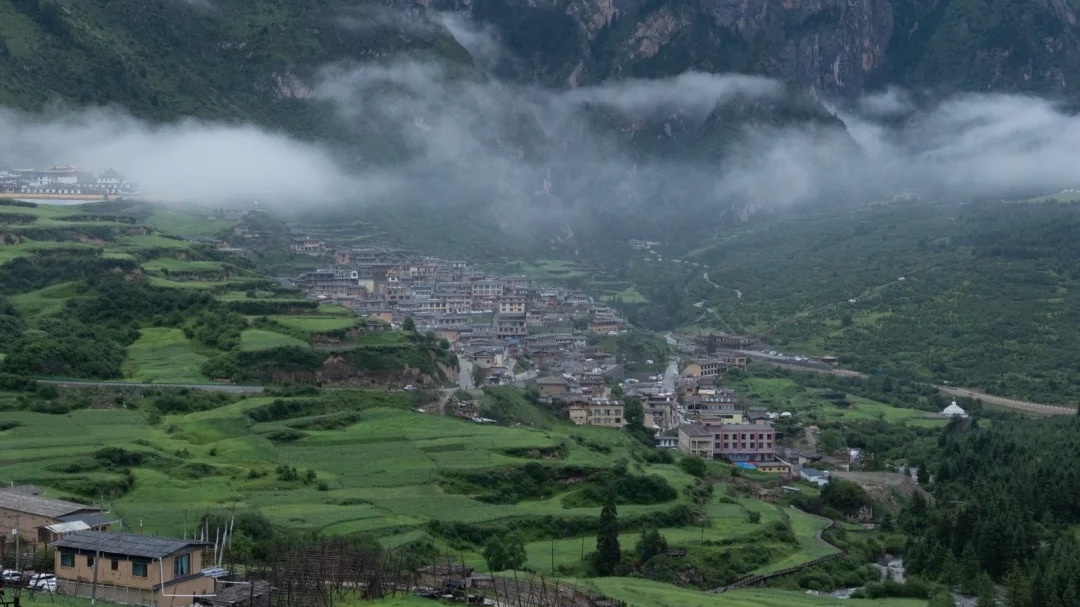
PHOTO 07 · Gannan grassland Tibetan monastery and village in authentic summer light · 1200 × 800
How to plan it: begin from a practical transport hub such as Lanzhou or another verified arrival city, keep the number of hotel changes modest and add one genuinely free or shorter day for unexpected road delays.
Best for: travelers who want mountains and cultural experiences without making the entire trip a remote road expedition. Suggested time: four to six days for the pair.
Lijiang's old town, nearby villages and views toward Jade Dragon Snow Mountain make it attractive for a first visit to Yunnan. Farther north, Shangri-La has a higher-altitude setting, Tibetan cultural influences and different landscapes. They should not be described as having the same weather simply because they are both in Yunnan. August is part of the rainy season, and mountain visibility can change quickly.
The experience is richer if you spend some time beyond the most photographed lanes. In Lijiang, explore at quieter hours, choose a neighborhood that suits your walking tolerance and confirm hotel vehicle access, especially if you have large luggage. For Shangri-La, schedule a gentler first afternoon; the altitude increase is meaningful for some travelers, even when the weather feels pleasant.
A common planning error is to combine Dali, Lijiang, Shangri-La, Lugu Lake and several remote viewpoints into five days. That is a lot of road travel, not a leisurely Yunnan escape. Choose two or three bases and let the weather determine which day is best for your main mountain outing.
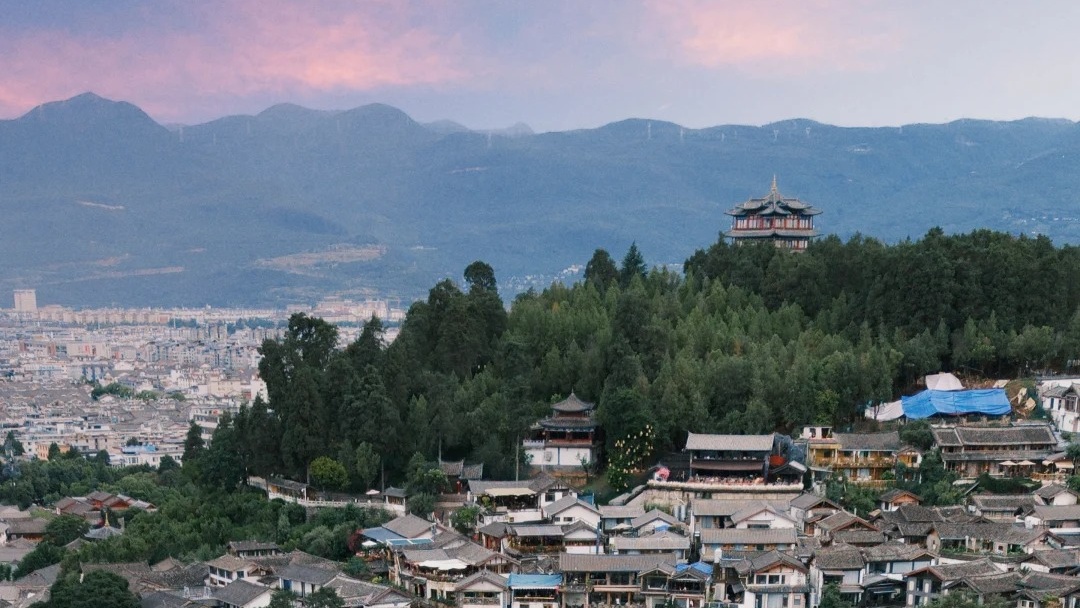
PHOTO 08 · Lijiang old town rooftops and mountain highland atmosphere in Yunnan · 1200 × 800
How to plan it: travel via Lijiang where convenient, allow at least two nights in Shangri-La if visiting, and check current rail or road options rather than relying on an old timetable. Use Getting Around China to compare the complete hotel-to-hotel travel day.
Best for: lush river scenery, forested landscapes and travelers willing to adjust a nature day around rainfall. Suggested time: two to three days in Libo, with extra time if combining other parts of Guizhou.
Libo's Xiaoqikong Scenic Area is known for clear-looking water, bridges, forest paths and karst landforms. In August, the surrounding greenery can be at its richest. The same wet conditions that create such a green landscape can also increase water levels and affect walkways or river-based activities. Water color and flow are weather-dependent, not fixed characteristics that every visitor will photograph on demand.
Guizhou is a strong region for travelers who like a combination of natural scenery and local communities. Yet moving between Libo, Guiyang, traditional villages and major waterfalls can involve more travel than a headline "Guizhou highlights" route implies. Choose the sights that fit your interests and actual transport connection, especially during summer holidays.
For an easier visit, stay close enough to the scenic area to enter without a rushed long-distance transfer. Bring shoes with good grip and a compact rain layer. Check whether any section is temporarily restricted after heavy rain; do not treat an official closure as an invitation to find a side entrance.
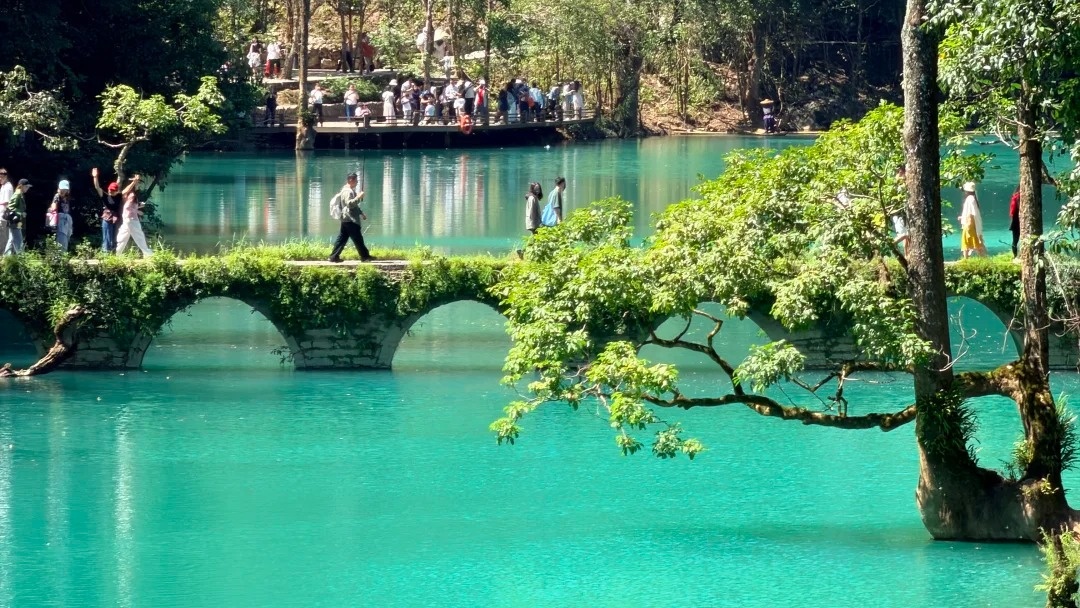
PHOTO 09 · Libo Xiaoqikong bridge clear river and summer green forest · 1200 × 800
How to plan it: use an appropriate Guizhou gateway such as Guiyang or a nearby rail connection, verify the final transfer to Libo and keep outdoor days movable when possible.
Best for: dramatic rock formations, elevated viewpoints and a distinctive first-time China landscape. Suggested time: three to four days.
Zhangjiajie is famous for its towering sandstone pillars, but visitors benefit from separating its major attractions. Zhangjiajie National Forest Park and Tianmen Mountain are not one single quick stop. Each has its own access arrangements, queues and walking pattern. Trying to cover both on a late arrival day leaves little room for the experience.
August brings dense greenery, but it can also bring heat in lower areas, afternoon thunderstorms, low cloud and busy cable-car or shuttle lines. Fog can hide a viewpoint completely; it may also create atmospheric scenes when it moves. The sensible response is a flexible schedule, not a promise that clouds will vanish at a certain hour.
Think carefully about height exposure, staircases and walking distances. Some viewpoints and paths may be uncomfortable for travelers who dislike heights or have limited mobility. Choose routes based on what you actually enjoy rather than the longest available checklist. An early start can reduce time spent in the hottest part of the day, but it does not remove the need to book or check operating information.
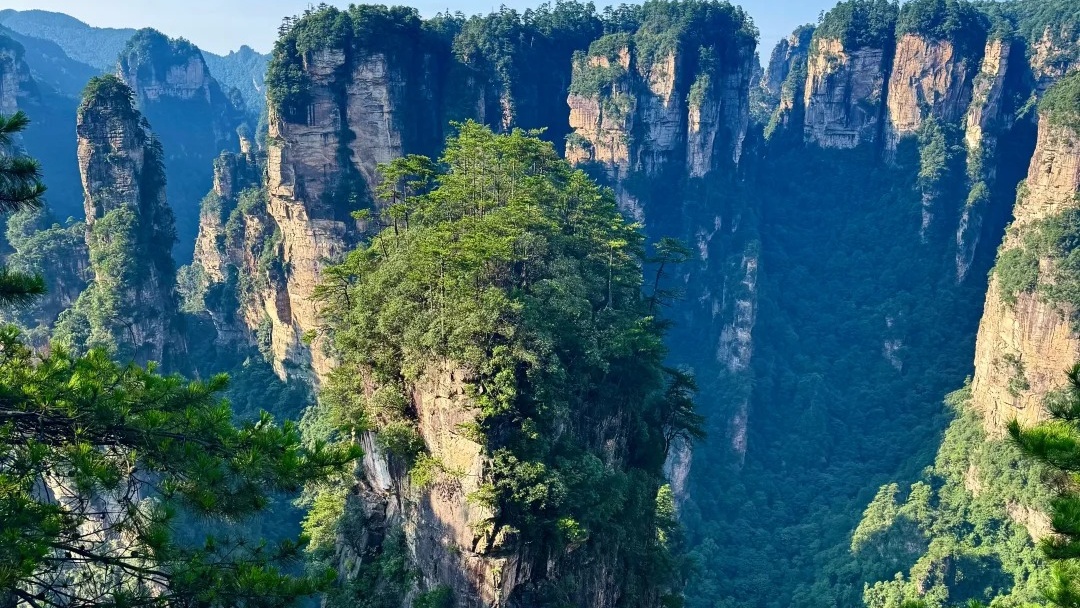
PHOTO 10 · Zhangjiajie sandstone pillars deep green summer forests with clouds · 1200 × 800
How to plan it: reserve at least a full day for the forest park and another for Tianmen Mountain if both matter to you. Give yourself a third day or weather buffer rather than spending a whole trip in transit queues.
Best for: river valleys, rural cycling or easy countryside experiences and classic southern China landscapes. Suggested time: three to four days.
Guilin and Yangshuo are among China's most recognizable landscapes, but August is not a dry, gentle-weather month. It is warm and humid, and heavy rain can change river conditions or affect boat services. The upside is the saturated green color of the countryside, especially when clouds move around the limestone hills.
A good route keeps city time and countryside time distinct. Guilin can serve as an arrival point; Yangshuo is where many visitors slow down for village roads, riverside scenery and quieter mornings. Rather than assuming every outdoor activity is included, verify whether the river cruise, rafting or cycling arrangement is appropriate for the day's weather and your group.
For travelers who want nature but dislike mountain altitude, Guilin is a useful alternative to the plateau destinations in this article. The trade-off is heat and humidity. Plan demanding outdoor activities early, keep water and sun protection close, and have an indoor or café option for an intense midday period.
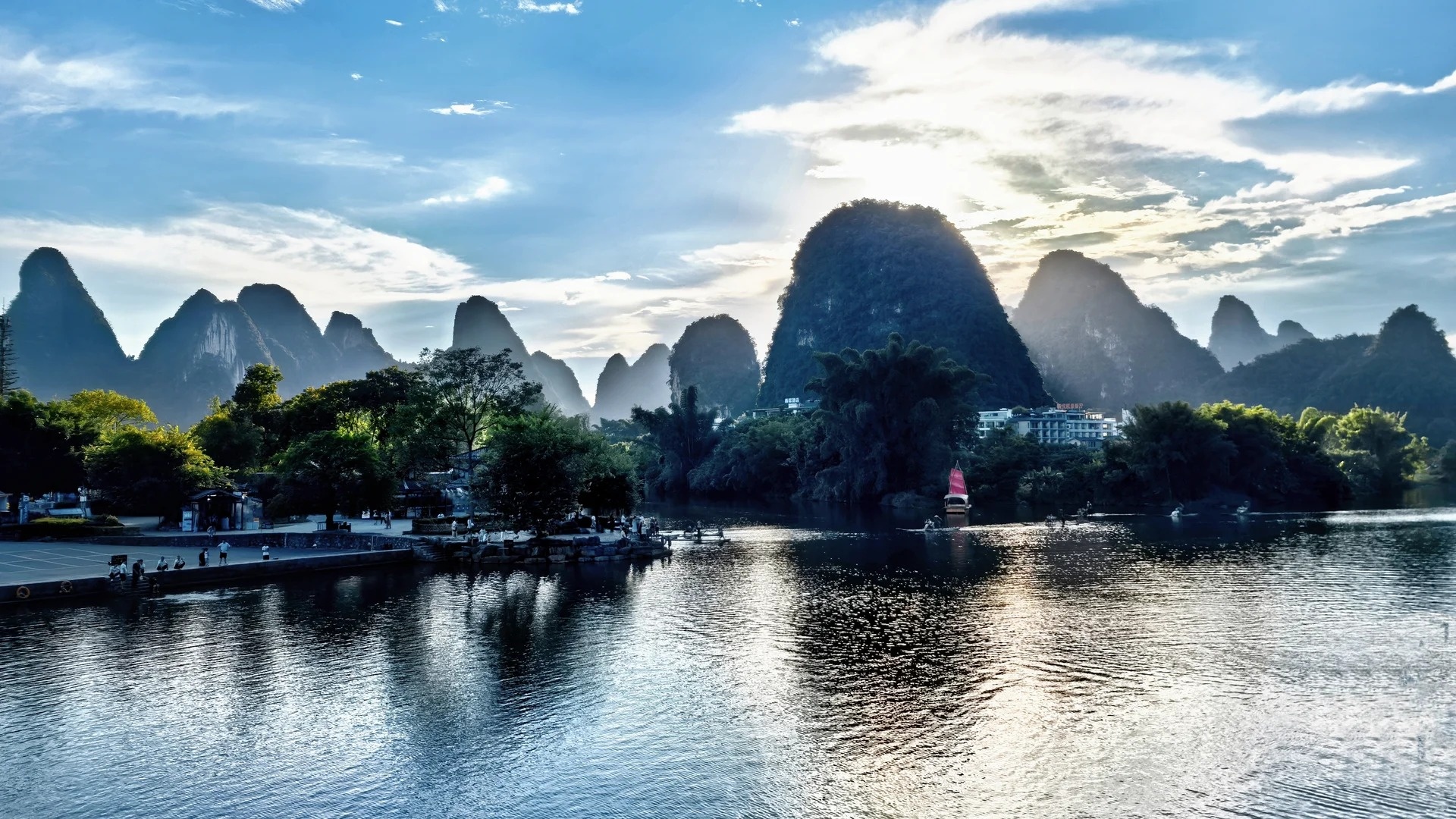
PHOTO 11 · Yangshuo Li River karst peaks and green summer countryside · 1200 × 800
How to plan it: stay in or near Yangshuo for at least one night instead of treating the entire region as an airport-day outing. Reconfirm water-based activities shortly before departure if strong rain is forecast.
Best for: travelers who especially want Tibetan history, monasteries and a carefully planned plateau stay. Suggested time: at least four to six days, usually longer if adding substantial excursions.
Lhasa belongs on an August shortlist for a different reason from the grasslands and lakes: it offers a cultural journey in a very high-altitude setting. August can bring mild-feeling days compared with cold plateau seasons, but it is also part of the region's wetter period. Travelers should expect a mixture of sun, clouds and rain rather than a guaranteed uninterrupted blue sky.
Foreign travelers must check current Tibet-specific entry and travel authorization requirements before booking. The rules for travel in the Tibet Autonomous Region are not interchangeable with those for Chengdu, Lijiang or Tibetan cultural areas outside the region. Depending on nationality, itinerary and location, arrangements through an authorized travel operator and additional permissions may be required. Do not assume that ordinary visa-free entry into mainland China automatically covers every destination or route.
Acclimatization is the other essential planning topic. Lhasa is already at a high elevation, and rapidly adding distant lakes or passes on the first day is not a good plan. A more sensible start is a shorter local schedule with time to rest; travelers with relevant health concerns should obtain individual medical advice before committing to a high-altitude trip. Religious customs, visitor quotas and photography rules also deserve respect.
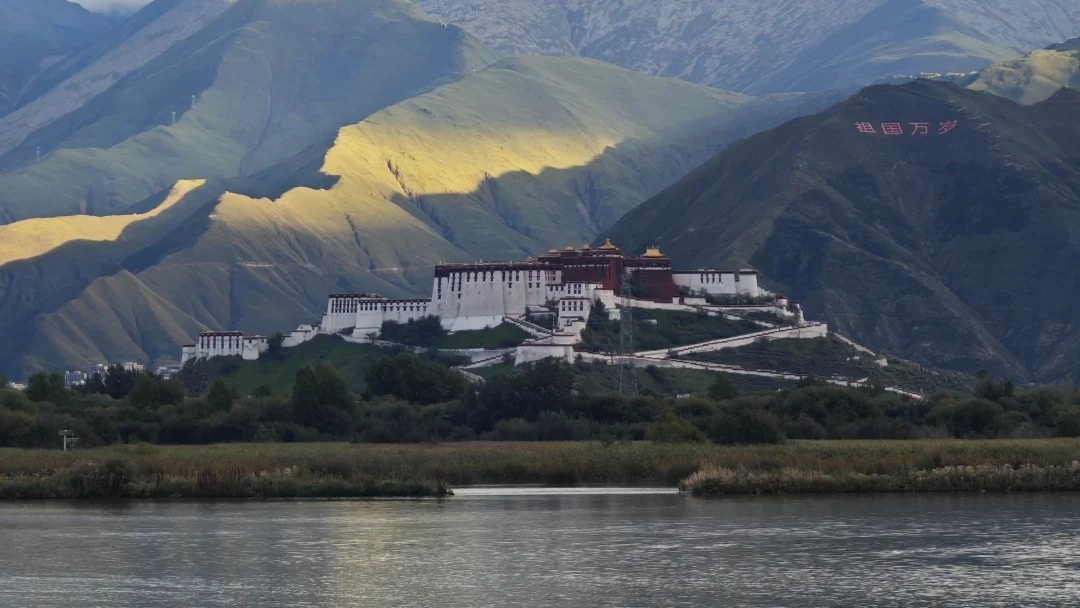
PHOTO 12 · Lhasa Potala Palace city view in summer with authentic clouds · 1200 × 800
How to plan it: finalize Tibet-specific travel eligibility and any required authorization first, then choose a realistic Lhasa-centered itinerary. China Visa Guide helps with general mainland entry questions, but it does not replace current Tibet-specific travel approvals.
One of the least helpful pieces of advice is "China is hot in August" without saying where. A city on the Sichuan Basin floor and a high mountain valley several hours away can require entirely different clothes. Use the following broad patterns to choose a route; check a city-level and mountain-area forecast for your exact dates rather than treating these as temperature predictions.
Chengdu and Chongqing
Typical August travel feel: Often hot and humid, especially Chongqing
Main planning adjustment: Sightsee early or later in the day; use indoor breaks
Jiuzhaigou and western Sichuan
Typical August travel feel: Cooler at altitude but changeable and wet
Main planning adjustment: Pack layers; check roads, trails and official notices
Qinghai and Gannan
Typical August travel feel: Big day-night contrast, strong sunlight, elevation
Main planning adjustment: Allow acclimatization, warm layer and sun protection
Ili and Hulunbuir
Typical August travel feel: Open grassland and mountain or steppe weather
Main planning adjustment: Use flexible road days; bring wind/rain protection
Yunnan highlands
Typical August travel feel: Rainy-season mix of sun, showers and cool nights
Main planning adjustment: Keep mountain viewpoints movable
Guizhou, Zhangjiajie and Guilin
Typical August travel feel: Green and humid; showers or heavy rain possible
Main planning adjustment: Recheck rivers, cable cars, trails and boat services
Lhasa and the Tibetan Plateau
Typical August travel feel: High sun exposure, changing cloud and summer rain
Main planning adjustment: Arrange permissions, acclimatize and slow the itinerary
What about Beijing, Shanghai, Chengdu and Chongqing? They remain worth visiting for culture, food and flight or rail connections, but they are not automatically the most comfortable August weather picks. Chengdu works particularly well as a starting point for western Sichuan and Jiuzhaigou. Chongqing works for a shorter city extension if you handle the heat with realistic timing. For a dedicated first-time city trip, consider comparing seasons in the Best Time to Visit China article instead of forcing a mountain-focused August list into a city itinerary.
These examples are deliberately regional. China is enormous, and the fact that two landscapes appear in the same article does not make them neighbors.
Who it suits: travelers who want Sichuan mountain scenery, with Chengdu as the transport base and room for one day of city life. This is a sample routing logic, not a confirmed departure schedule; check whether weather, train times and transfers make the sequence workable on your dates.
Day 1 — Chengdu arrival. Settle in, visit a neighborhood or teahouse if time allows and prepare warm layers for the next day. Keep the first day light, especially after a long flight.
Day 2 — Chengdu → Mount Siguniang area. Travel by road after checking weather and road conditions. Use the afternoon for accommodation and a gentle orientation instead of rushing to the highest viewpoint immediately.
Day 3 — Mount Siguniang's Shuangqiao Valley → Chengdu. Spend the main part of the day in the valley, then return only if road and daylight conditions support it; otherwise add a nearby overnight and adjust the overall trip. This is a long day and should not be presented as effortless.
Day 4 — Chengdu → Jiuzhaigou area. Use an available rail-plus-road or suitable road arrangement, confirm the exact arrival station and transfer, and stay near the scenic entrance.
Day 5 — Jiuzhaigou scenic area. Keep one complete day for the main lakes and forest routes. Follow the day's official access instructions instead of chasing an outdated map.
Day 6 — Jiuzhaigou area → Chengdu or onward travel. Reserve this as a substantial transfer day. Do not combine it with a tight international-flight connection without an appropriate buffer.
Why the route works: it concentrates on western Sichuan rather than adding Chongqing, Tibet and Qinghai simply for variety. If driving conditions are poor, shorten the plan to Chengdu and Jiuzhaigou rather than inventing a faster road.
Who it suits: travelers interested in big highland landscapes, monastery culture and a road-based regional journey.
Day 1 — Arrive in Xining. Keep walking easy, adjust to the elevation and prepare for plateau weather.
Day 2 — Xining → Qinghai Lake. Follow an appropriate shoreline route with genuine time for viewpoints, rather than filling the day with many distant stops.
Day 3 — Qinghai Lake → Xining or an appropriate onward base. Finish the lake visit and begin the next transfer at a manageable pace; depending on route choice, an extra overnight may be preferable.
Day 4 — Transfer toward Gannan. This is a road-focused day. Confirm accommodation and driving conditions in advance.
Day 5 — Gannan cultural day. Visit an appropriate monastery and nearby settlement with respect for opening rules and local worship practices.
Day 6 — Gannan landscape day. Choose one grassland or valley outing, adapting to weather, distance and available roads.
Day 7 — Continue to Lanzhou and depart or stay overnight. Do not treat the final transfer as a guaranteed short journey; choose a departure time that leaves a margin.
Why the route works: it links an open plateau lake with Gannan's cultural landscape without promising that every famous northwestern landmark fits into one week.
Who it suits: travelers looking for old towns, mountain culture and a slower summer highland journey.
Day 1 — Arrive in Lijiang. Check in, walk at an easy pace and get used to the setting.
Day 2 — Lijiang town and nearby cultural sights. Include a quieter early or late walk and avoid packing the day with several separate mountain excursions.
Day 3 — Lijiang mountain or countryside day. Choose the day's main outing based on the forecast and operating status.
Day 4 — Lijiang → Shangri-La. Travel onward, then have a gentle afternoon because the elevation increases.
Day 5 — Shangri-La cultural day. Focus on the old town and an appropriate monastery or nearby cultural site, with current admission information.
Day 6 — Shangri-La landscape day. Select one natural outing if the weather is suitable; otherwise spend more time in town.
Day 7 — Return to Lijiang or use a verified onward connection. Arrange the departure based on actual train, road or flight availability.
Why the route works: two bases and weather flexibility are more useful in August than a schedule that changes hotel every night.
A trip focused on Ili or Hulunbuir should usually be designed as its own regional itinerary, not added to one of these examples as a casual side trip. If you need help choosing between a highland road tour, a shorter family trip or city-based travel, Getting Around China explains the transport trade-offs.
August school-holiday demand can make popular tickets and hotels competitive. Book key transport and admission slots once official booking windows open, especially for a destination with published daily limits. However, do not prepay every optional outdoor activity without understanding the cancellation and weather policy. For rail travel with a foreign passport, read our China Train Guide before the sales window arrives.
Heavy rain can affect river trips, cable cars, trails and mountain roads. If an official warning or closure applies, adjust the itinerary; a private vehicle does not eliminate a landslide or flood risk. Allow additional time between scenic regions and do not make a long mountain transfer the only buffer before an international departure. Download the Chinese names of hotels and destinations before you leave the city.
Qinghai, Gannan, Mount Siguniang, Shangri-La and Lhasa involve elevations much higher than common coastal city routes. Start with a gentle day, drink and rest normally, avoid sudden strenuous activity and seek appropriate medical advice when relevant. High altitude is not an attraction you can "solve" by booking a better vehicle. If someone develops concerning symptoms, stop further ascent and seek medical help.
For a Sichuan Basin arrival followed by a mountain trip, pack breathable city clothing, a rain layer, a warmer mid-layer, comfortable shoes and sun protection. An umbrella alone is not enough for a windy high-altitude lookout, and a heavy winter coat may be excessive for a humid city. Use layers you can change as the route changes.
China's payments, tickets and maps are easier when your phone is working from arrival. Overseas visitors should set up a usable mobile-data option, at least one mobile payment method with a backup, and a navigation or translation app. Keep important bookings offline. Our Internet in China, Paying in China and China Travel Apps guides explain these practical details without repeating them all here.
Ordinary tourism in major Chinese cities is not the same as travel to every remote border or protected area. Some itineraries require additional permissions or involve zones with restricted access; requirements vary by location and nationality. Tibet-specific arrangements should be confirmed before booking. For general entry questions, start with China Visa Guide; for a first visit to China overall, read First Trip to China.
Keep to designated routes, follow ecological restrictions and ask before photographing people or religious ceremonies. A beautiful meadow can be an active grazing area, and a monastery is a place of worship. Responsible travel is a practical part of keeping fragile destinations enjoyable.
Not everywhere. Chongqing and many lowland cities can be very hot, while western Sichuan, parts of Qinghai and northern grasslands may be cooler. Choose the exact region and elevation rather than using a national temperature average.
Jiuzhaigou, Mount Siguniang, Qinghai Lake, Ili and Hulunbuir are useful candidates for landscape-focused travel in relatively cooler settings. None guarantees cool weather every day, and mountain routes still require rain and altitude planning.
Yes, for green forests, vivid lakes and waterfalls. It is a popular summer destination, so book a confirmed entry date and check official access and weather updates. Do not assume every walkway or route will remain available after heavy rain.
It is a good month for summer landscapes in parts of Ili, but peak wildflower blooms vary by place and are often earlier. Choose August for the overall mountain-meadow experience, not a guaranteed full-flower scene.
Both areas can be humid and experience significant showers or storms. River cruises, exposed viewpoints and cable cars can be affected by weather. Keep at least one flexible sightseeing period and check local notices shortly before the day.
Do not assume ordinary independent travel rules apply to the Tibet Autonomous Region. Foreign visitors should confirm the current Tibet-specific travel approvals, eligible routes and any authorized-operator requirements before booking. The exact process depends on the traveler and itinerary.
China Railway currently generally sells tickets within a 15-day presale window including the travel date, subject to changes. Set up passport verification early and note the official release date for the train you want. Hotels and attractions may have different booking windows.
You can, particularly if food and city architecture matter to you, but August heat may make a long outdoor schedule uncomfortable. Give Chongqing a shorter city segment, walk early or after sunset, and save the mountain days for western Sichuan rather than pretending both places share the same climate.
The strongest August journeys in China make sense geographically and seasonally. Choose Jiuzhaigou and Mount Siguniang for western Sichuan scenery; Qinghai Lake and Gannan for plateau horizons and culture; Ili or Hulunbuir for grasslands; Yunnan and Guizhou for green landscapes with local culture; or Zhangjiajie and Guilin for distinctive rock-and-river scenery. Lhasa is an option for travelers prepared to meet additional travel and altitude requirements.
Do not try to do all eleven. Pick a region, secure the important tickets, respect weather and altitude, and give yourself enough time to experience the places rather than only travel between them.

Tailor-Made Travel · Private Tours · Local Experiences
Nacayo Travel helps international visitors plan private journeys in China, with particular experience in Sichuan, Chongqing and western China. We can discuss route choices, transport, hotels and a comfortable travel pace. Arrangements depend on local conditions and availability.
TRUST FIRST. FUN FOLLOWS.