
Nacayo
Travel Guides


Travel Guides
NACAYO TRAVEL / WESTERN SICHUAN MOUNTAINS
Updated October 2026
Mount Siguniang, also known as Four Sisters Mountain, is one of the most remarkable alpine destinations in western Sichuan. Rising above forested valleys, grasslands and glacial landscapes, its four dramatic peaks form one of China's most recognizable mountain skylines.
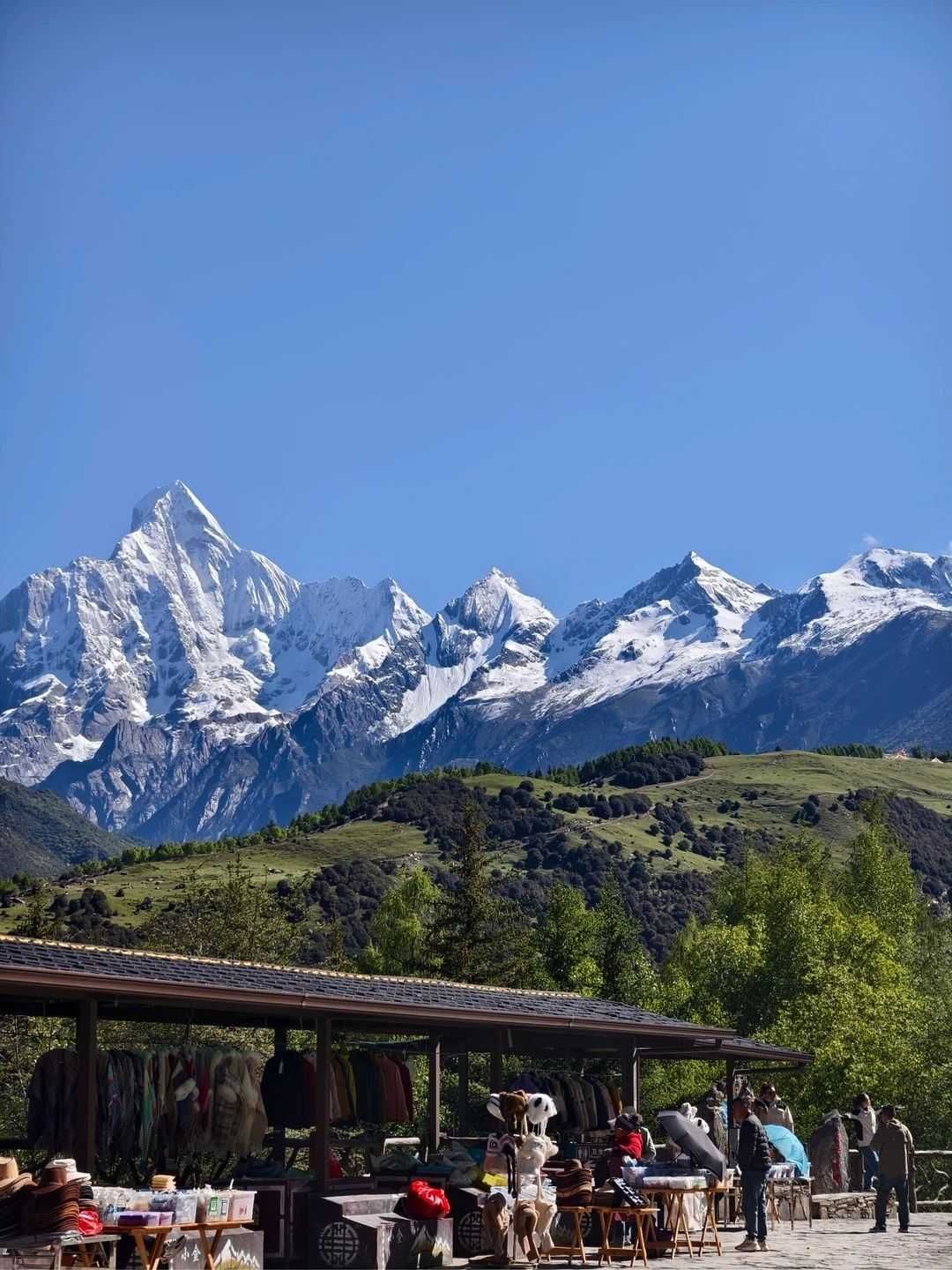
Located in Xiaojin County, Aba Prefecture, approximately four to five hours by road from Chengdu under normal conditions, Mount Siguniang attracts travelers looking for snow mountains, scenic walks, autumn colors and outdoor adventures.
But the first decision isn't simply when to visit. It's which valley to explore.
Mount Siguniang has three main visitor valleys: Shuangqiao Valley, Changping Valley and Haizi Valley. Although they belong to the same scenic area, they offer very different experiences, and each has its own entrance, admission ticket and sightseeing arrangements.
Shuangqiao Valley is ideal for relaxed sightseeing, Changping Valley is perfect for forest walks and mountain views, while Haizi Valley appeals to hikers seeking a wilder alpine landscape.
Whether you have one day or several, choosing the right valley can make a big difference to your trip.
If you're visiting Mount Siguniang for the first time and only have time for one valley, Shuangqiao Valley is the easiest and most versatile choice.
For travelers who enjoy walking and want closer views of the iconic Four Sisters peaks, Changping Valley is an excellent alternative.
Haizi Valley is best suited to active visitors who are prepared for a more demanding mountain experience.
Shuangqiao Valley
Main experience: Snow mountains, alpine lakes, forests and scenic stops
Typical sightseeing time: 4–6 hours
Walking difficulty: Easy to moderate, with optional walks
Best for: First-time visitors, families, photography
Changping Valley
Main experience: Ancient forests, streams and mountain hiking
Typical sightseeing time: 4–8 hours, depending on route
Walking difficulty: Moderate, potentially strenuous on longer routes
Best for: Nature lovers and hikers
Haizi Valley
Main experience: Alpine meadows, panoramic peaks and remote lakes
Typical sightseeing time: Half-day to full-day or longer
Walking difficulty: Moderate to strenuous
Best for: Experienced walkers and outdoor enthusiasts
These durations are approximate. Walking speed, altitude, weather, transport arrangements and how far you choose to explore all affect the time required.
Quick recommendation: Choose Shuangqiao for scenic variety and convenience, Changping for walking among forests beneath the mountains, and Haizi for open alpine wilderness.
Shuangqiao Valley (双桥沟) is the most accessible and developed of Mount Siguniang's three valleys.
Its biggest advantage is the sightseeing bus system, which allows travelers to explore a long alpine valley without undertaking a demanding mountain hike.
Instead of walking the entire distance, visitors can travel between designated stops and choose short scenic walks along the way.
This makes Shuangqiao particularly appealing to international travelers with limited time, families with children and visitors who want impressive mountain scenery without a strenuous trekking itinerary.
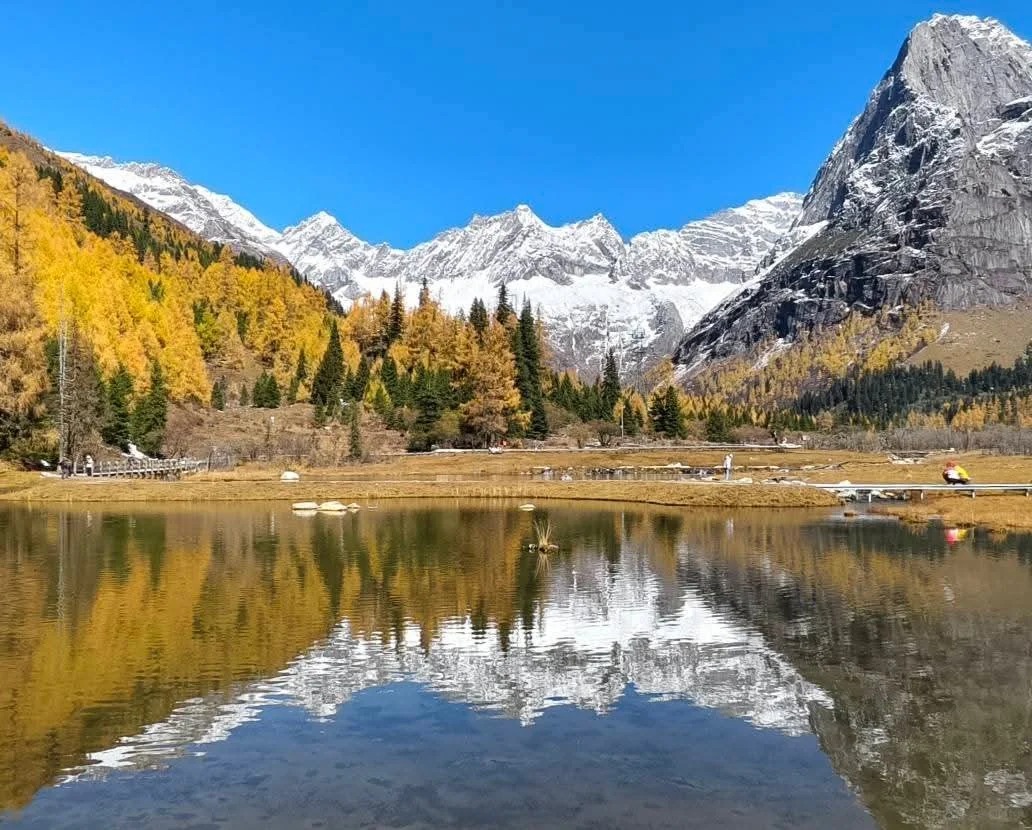
Shuangqiao offers a wonderful combination of snow-capped peaks, alpine forests, streams, grasslands and high-altitude landscapes.
The scenery changes as you move through the valley. Lower areas feature open meadows and winding rivers, while higher sections reveal more dramatic mountain walls, conifer forests and snowy peaks.
Popular sightseeing locations include:
Not every stop offers the same scenery, and the order or availability of sightseeing stops may change. Follow the current park route rather than assuming every location will be accessible on every date.
A common approach is to take the sightseeing bus toward the upper part of the valley, then work your way back through selected stops.
This lets you see the higher mountain scenery first and enjoy shorter walks while descending through the valley.
Allow approximately four to six hours for a comfortable visit, including stops, photography and breaks.
Although Shuangqiao is the easiest valley, much of the scenery lies above 3,000 meters. Even short walks can feel more tiring than expected for visitors arriving directly from lower elevations.
Absolutely, especially if this is your first experience of western Sichuan's high mountains.
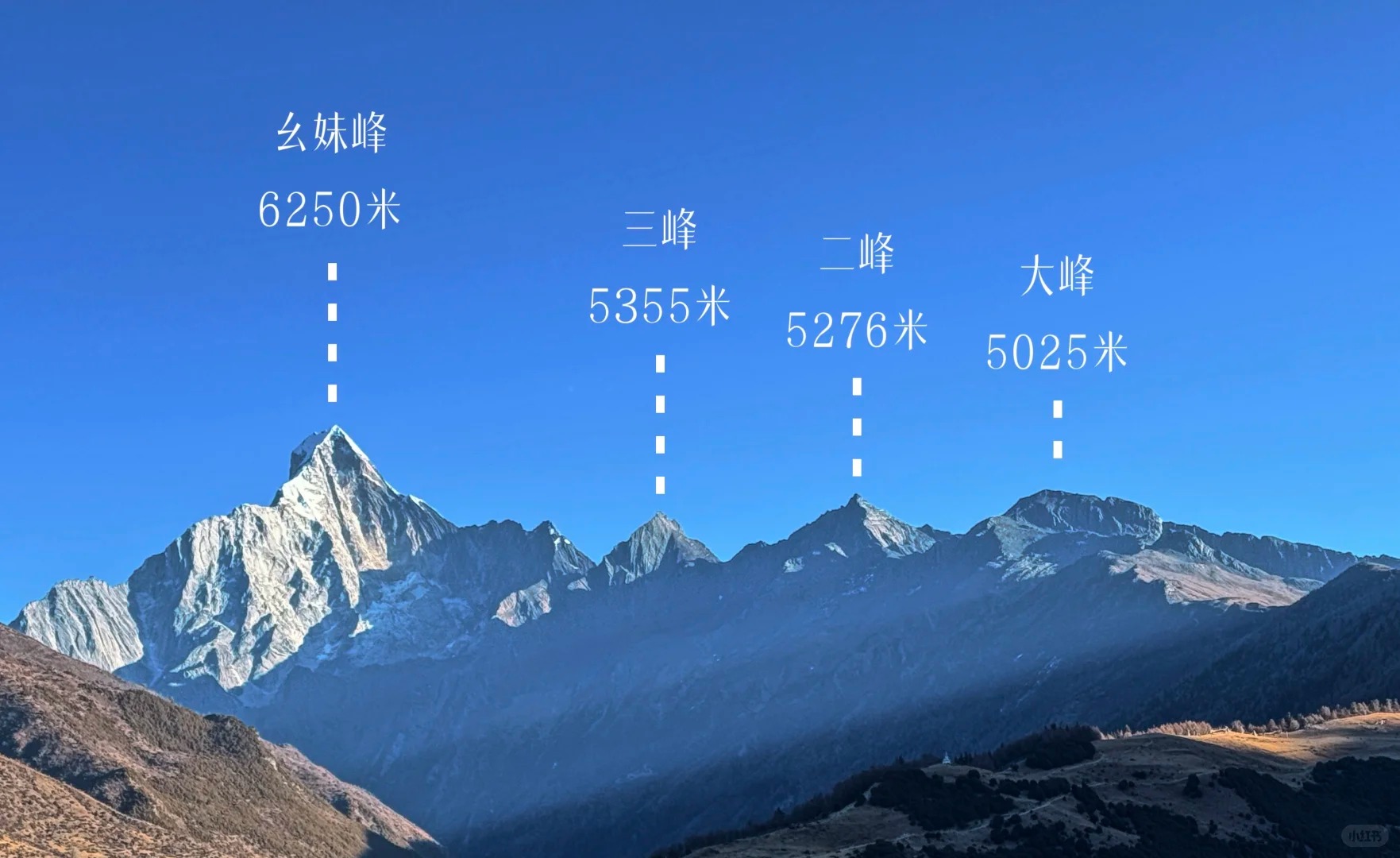
One important distinction, however, is that Shuangqiao Valley is not the best place for a close, direct view of Yaomei Peak, Mount Siguniang's famous highest summit. For travelers whose main goal is to admire that particular peak, Changping or Haizi Valley may be more rewarding.
Best for: First-time visitors, families, couples, casual photographers and anyone who prefers sightseeing with relatively little walking.
Changping Valley (长坪沟) offers a quieter, more immersive mountain experience.
While Shuangqiao is organized around sightseeing bus stops, Changping invites visitors to slow down and explore the landscape on foot.
The valley is known for its ancient forests, streams, wooden walkways and impressive views toward Mount Siguniang's main peaks.
It is particularly attractive to travelers who want to feel closer to nature rather than simply moving between viewpoints.
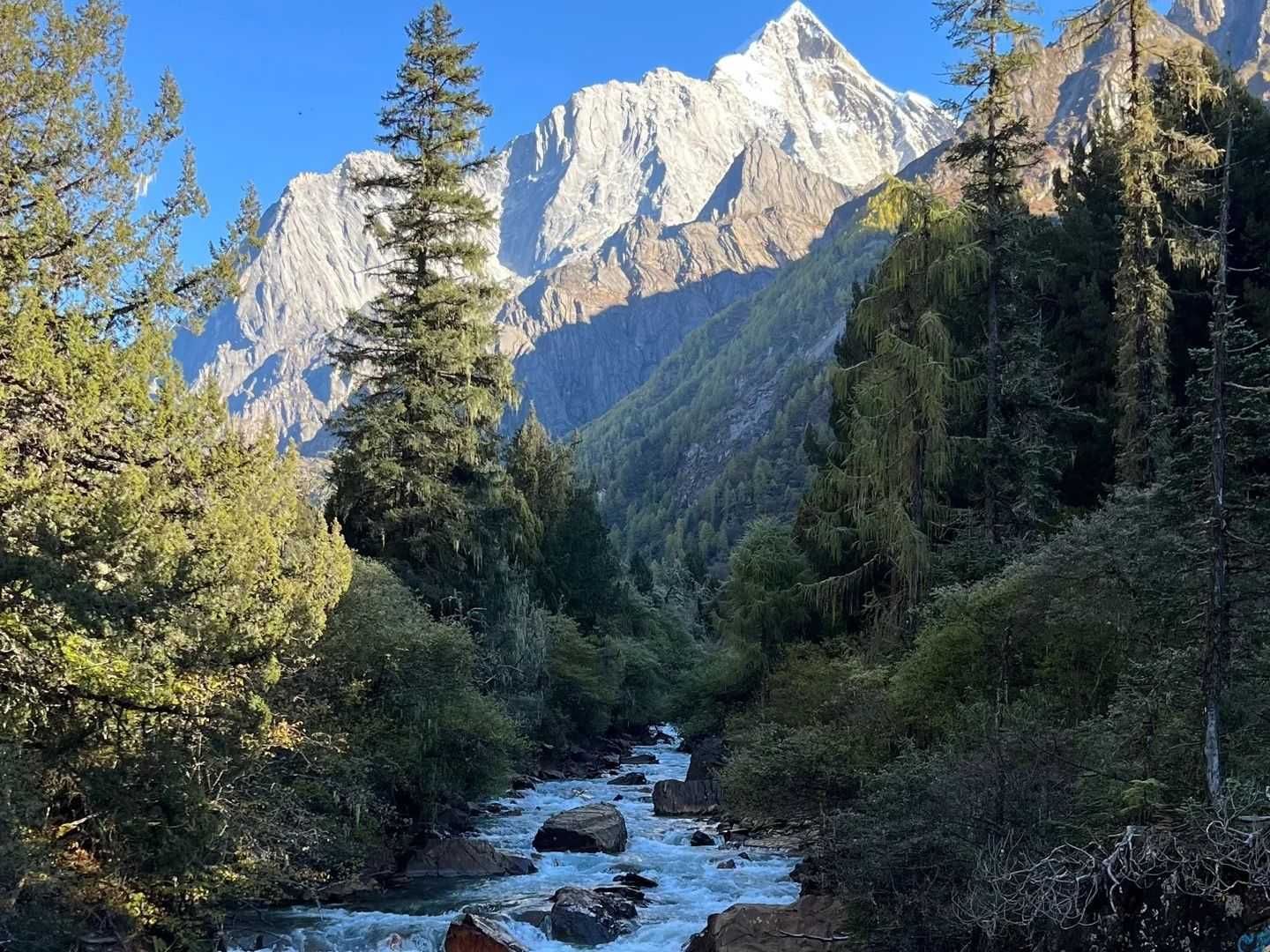
The lower and middle sections of Changping feature tall conifer trees, old-growth woodland, clear streams and mountain views appearing between the forested slopes.
Notable locations include:
Muluozi is a rewarding destination for prepared hikers, but it requires considerably more time and effort than a short boardwalk walk.
The experience depends on how far you go.
Visitors planning a shorter walk can enjoy the forest and valley scenery without attempting the longest routes.
Those continuing toward Muluozi should prepare for a long day of walking at altitude, with changing trail conditions and a substantial return journey.
The main visitor approach combines an official transport connection to the walking area with travel on foot. Horseback riding may be offered on designated sections, subject to local rules, availability and current charges.
Do not assume that riding a horse removes the need to walk or guarantees access to every destination.
For a shorter visit, allow around four to five hours. More ambitious walks may take seven to eight hours or longer.
Choose Changping if you enjoy walking through forests, following mountain streams and spending longer in one natural environment.
Choose Shuangqiao if you prefer to see a wider range of landscapes with less physical effort.
Best for: Active couples, nature lovers, hikers and photographers interested in forests and views of the Four Sisters peaks.
Haizi Valley (海子沟) is the most rugged and physically demanding of the three main valleys.
Its name refers to alpine lakes, and the wider valley is known for open grasslands, dramatic mountain views and high-altitude lake landscapes.
Unlike Shuangqiao, Haizi does not offer a sightseeing bus system taking visitors deep into the valley.
Exploring the area requires walking or, where permitted, using local horseback riding services.
This makes Haizi an entirely different experience from a conventional scenic-area visit.
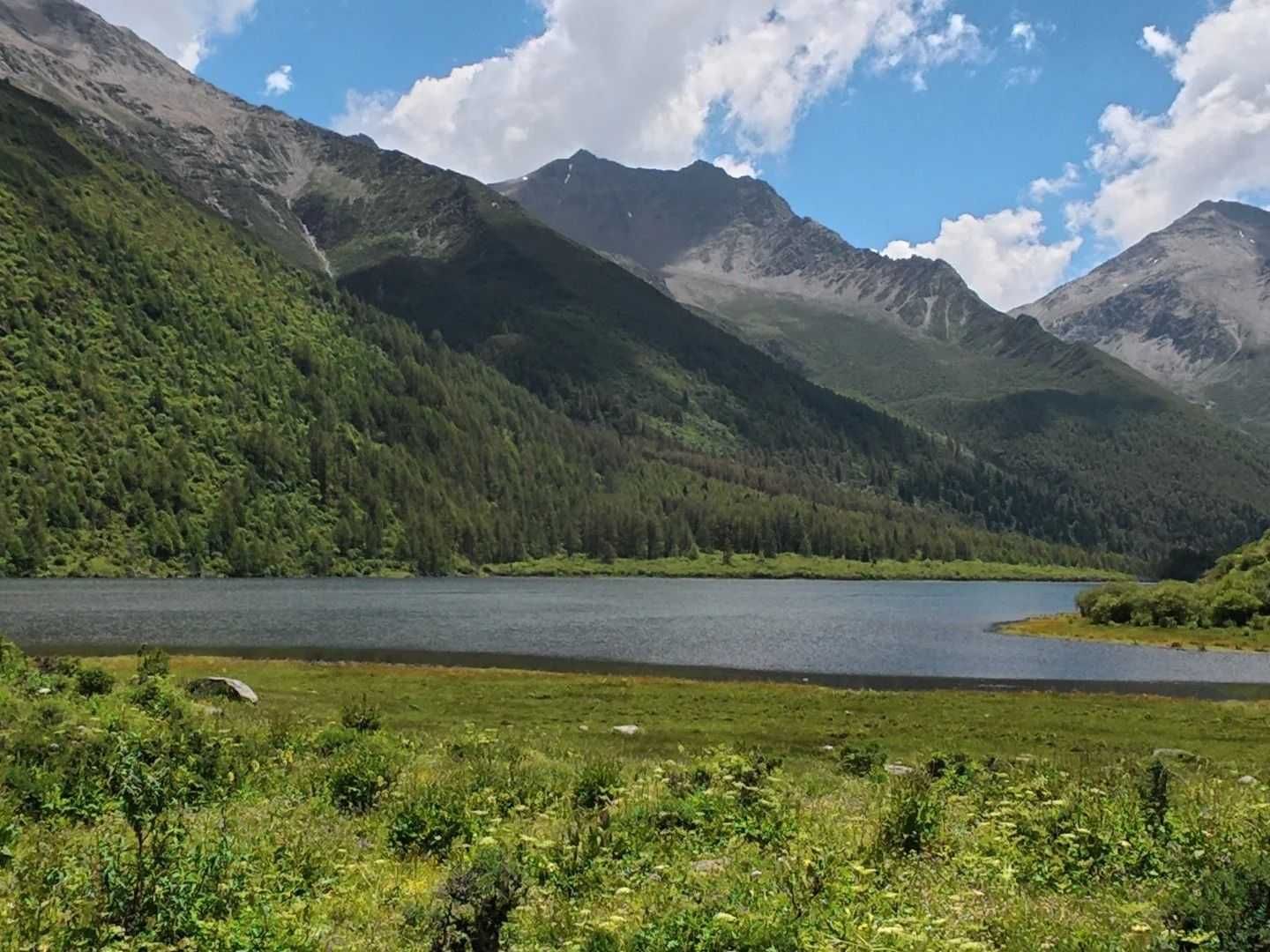
The early sections of the valley offer more open mountain terrain than the dense forests of Changping.
As you gain elevation, the landscape opens toward alpine meadows and panoramic views of Mount Siguniang's peaks.
Farther inside are remote mountain lakes, including Dahaizi and Huahaizi, which appeal to experienced hikers.
However, these lakes are not convenient roadside attractions. Reaching them involves long distances and demanding high-altitude walking.
First-time visitors should not assume that the complete lake route can be comfortably explored during a casual half-day visit.
Haizi is a good choice if you:
Visitors with limited hiking experience can consider shorter sightseeing walks within officially open areas, but the appropriate turnaround point should be based on current trail access, weather and personal ability.
Some outdoor routes in Haizi Valley reopened in April 2026 following official announcements.
This does not mean that every trail, camping area or mountaineering route is freely accessible.
Camping, trekking beyond ordinary visitor areas, mountain crossings and climbing activities may require special tickets, registration, approved arrangements or qualified local support.
Travelers should follow the latest announcements from the Mount Siguniang Scenic Area Administration and never enter restricted or undeveloped areas.
Best for: Experienced hikers, outdoor enthusiasts and travelers seeking a more adventurous alpine environment.
There is no single best valley for everyone.
The right choice depends on how much you enjoy walking, how much time you have and what kind of mountain scenery you want to experience.
For first-time visitors: Choose Shuangqiao Valley. It offers the easiest introduction to Mount Siguniang, with excellent scenic variety and relatively convenient transportation.
For families and older travelers: Shuangqiao is usually the most practical option because the sightseeing bus reduces the need for prolonged walking. Altitude and individual mobility still need to be considered.
For photographers: Shuangqiao is excellent for diverse landscapes, while Changping and Haizi offer more direct perspectives toward the main peaks. Weather and cloud cover strongly influence visibility.
For hiking enthusiasts: Changping Valley is ideal for a forest-based hiking day. Haizi Valley is better suited to those looking for a more challenging alpine environment.
For travelers with only one day in the scenic area: Choose one valley rather than trying to rush through all three.
For visitors with two full sightseeing days: Shuangqiao and Changping make an excellent combination, provided your group is comfortable with the walking involved.
If you are primarily interested in panoramic views of Yaomei Peak, it is also worth stopping at Maobiliang Viewpoint (猫鼻梁) along the approach road when weather and timing permit.
For a first-time trip from Chengdu, two to three days is a practical starting point.
One day inside the scenic area is enough to explore Shuangqiao Valley, but a same-day round trip from Chengdu can be exhausting.
Three days give you more freedom to combine sightseeing with a walking experience.
Four days are useful if you prefer a slower pace or want to spend more time in the mountains.
Recommended for travelers already staying near Mount Siguniang.
Spend the day exploring Shuangqiao Valley by sightseeing bus, stopping at selected viewpoints for short walks and photography.
Focus on the main alpine scenery rather than trying to visit every stop.
If you are starting in Chengdu on the same morning, remember that the drive takes several hours each way. A same-day return may leave little time for sightseeing and is not our preferred arrangement.
Day 1: Chengdu → Mount Siguniang Town
Depart Chengdu and travel through the mountains toward Mount Siguniang.
Depending on arrival time and weather, enjoy a relaxed afternoon, check in at your hotel and admire the surrounding mountain scenery.
If conditions allow, stop at Maobiliang Viewpoint for a panorama of the Four Sisters peaks.
Day 2: Shuangqiao Valley → Chengdu
Visit Shuangqiao Valley in the morning, using the sightseeing bus and walking between selected scenic stops.
Return to Chengdu later in the day.
This is a compact itinerary. A full sightseeing day plus the long return drive may be tiring, so allow realistic travel time.
Day 1: Chengdu → Mount Siguniang Town
Travel from Chengdu to Mount Siguniang Town and check into your hotel.
Enjoy the afternoon at a relaxed pace, with an optional visit to Maobiliang Viewpoint if visibility and road conditions are suitable.
Day 2: Shuangqiao Valley
Spend a full day enjoying Shuangqiao Valley's snow mountains, forests, lakes and alpine meadows.
Use the sightseeing bus to explore the main stops, allowing plenty of time for photography and short walks.
Return to your hotel in the evening.
Day 3: Changping Valley → Chengdu
Visit Changping Valley for a shorter forest walk, choosing a route suitable for your energy and the time available.
Return to Chengdu afterward.
Because you still have a long drive ahead, this itinerary does not include an ambitious hike to Muluozi on the final day.
If a longer Changping hike is your priority, consider visiting Shuangqiao on the first day only when your arrival is early enough, or extending your trip by another night.
Day 1: Chengdu → Mount Siguniang Town
Travel from Chengdu and settle into your hotel. Use the remaining time to rest and adjust to the elevation.
Day 2: Shuangqiao Valley
Explore the valley at an unhurried pace, enjoying its sightseeing bus route and alpine landscapes.
Day 3: Changping Valley
Spend a dedicated day in Changping Valley, allowing more time to walk through the forest and, if appropriate, venture farther along an officially open trail.
Alternatively, experienced hikers can consider a suitable route in Haizi Valley instead, subject to local requirements.
Day 4: Mount Siguniang → Chengdu
Enjoy a relaxed morning or a short stop at Maobiliang Viewpoint before returning to Chengdu.
For travelers who want to explore all three valleys in depth, particularly the more demanding routes in Haizi Valley, allowing five days or longer may be more appropriate.
Related tours:Mount Siguniang 2-Day / 3-Day Tours
Mount Siguniang is located in western Sichuan, in Xiaojin County of Aba Tibetan and Qiang Autonomous Prefecture.
Unlike some destinations in northern Sichuan, Mount Siguniang Town does not have a direct high-speed railway station.
Travelers normally reach the area by road.
A common route is:
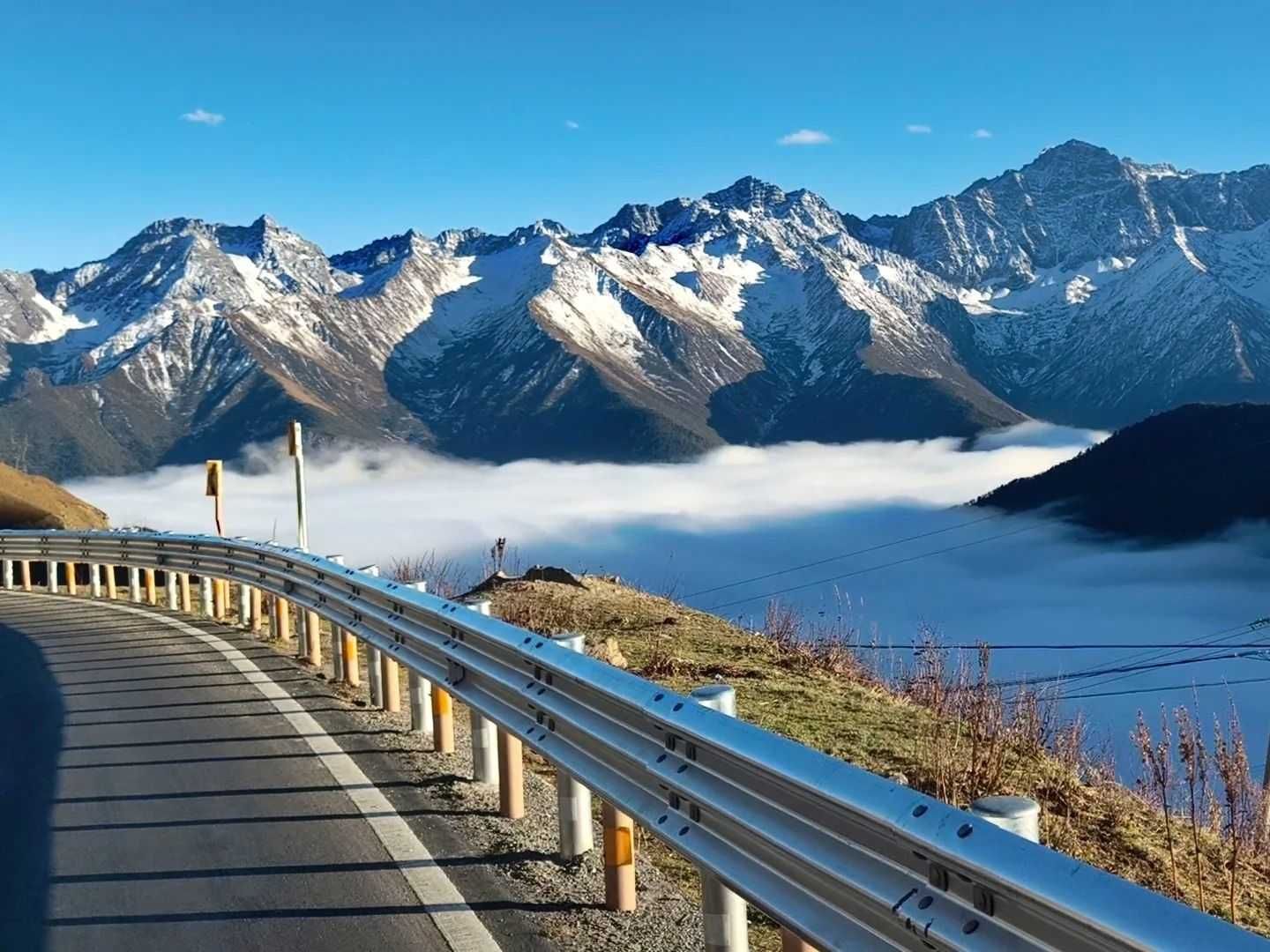
The route passes through increasingly dramatic mountain scenery as it leaves the Chengdu Plain and approaches the eastern edge of the Tibetan Plateau.
Under normal conditions, the journey generally takes around four to five hours, but mountain traffic, roadworks, holiday congestion and weather can increase travel time.
A private transfer is convenient for families, groups with luggage and travelers planning to visit more than one valley.
It also allows you to coordinate hotel pickup, scenic-area entrances and the return journey without relying on several separate transport services.
Public coaches operate between Chengdu's Chadianzi Coach Station and the Mount Siguniang area, subject to the current timetable.
Services from Dujiangyan may also be available.
Travelers should check the departure date, arrival stop and luggage arrangements before booking.
Coach schedules may be limited or adjusted during holidays and periods of difficult mountain weather.
There is no direct train to the three valley entrances or Mount Siguniang Town.
Although high-speed trains can reach Dujiangyan from Chengdu, you would still need a road transfer for the mountain section of the journey.
For most international visitors planning a short trip, direct road transportation from Chengdu is the simpler option.
Yes. Mount Siguniang can be combined with Dujiangyan, Wolong, and destinations farther into western Sichuan, depending on the route, road conditions and trip length.
However, combining several destinations changes the driving time considerably.
A quick visit to Shuangqiao Valley should not be confused with a multi-day western Sichuan road trip that includes long mountain drives.
Related guide:Chengdu to Mount Siguniang Transportation Guide
Nearby destination:Wolong Panda Travel Guide
For most visitors, Mount Siguniang Town (四姑娘山镇), also known by its former name Rilong (日隆), is the most convenient accommodation base.
The town provides access to the different valley entrances and has a selection of guesthouses and hotels.
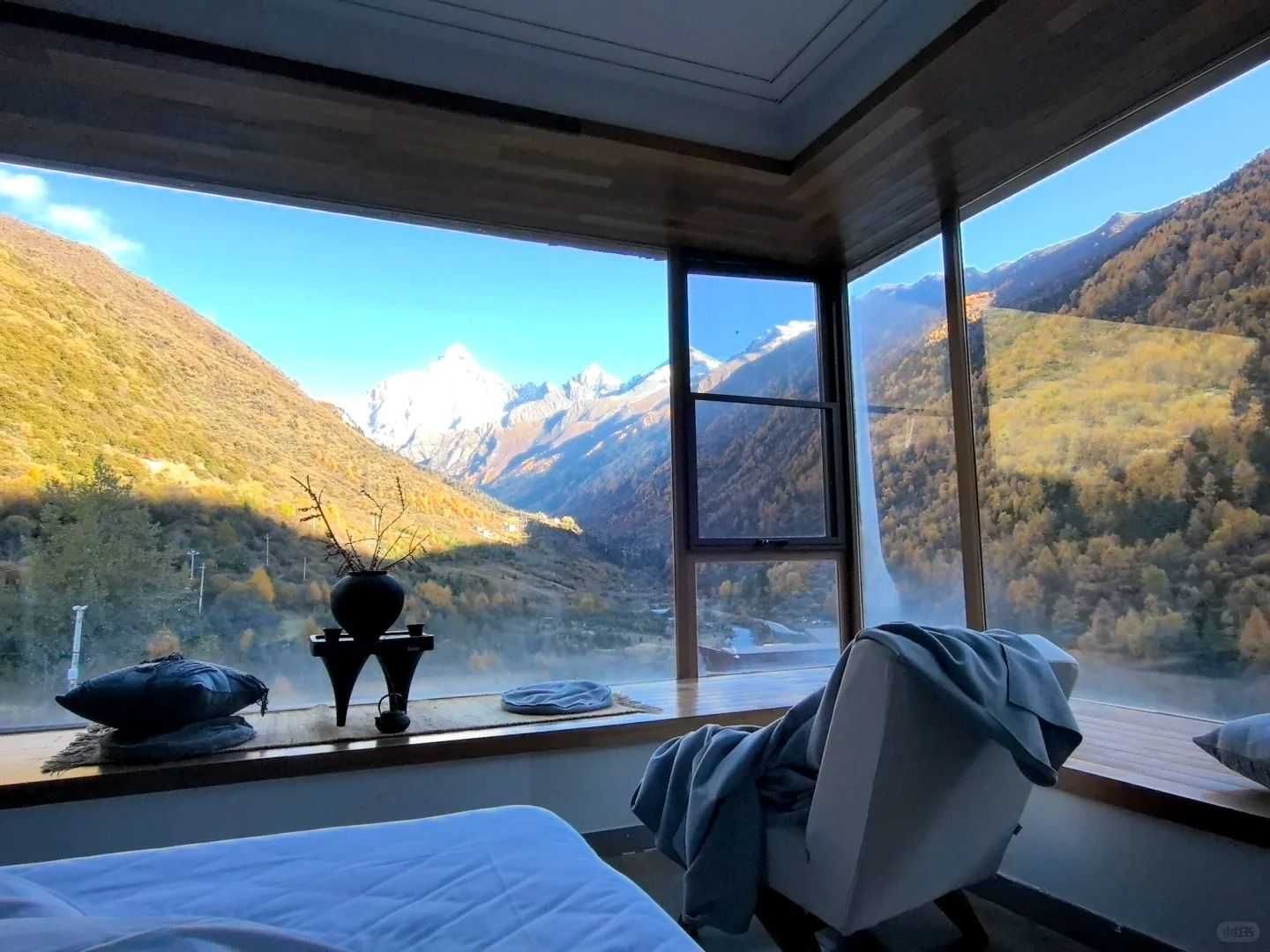
When choosing accommodation, consider the following:
Location: Confirm the actual distance to your selected valley entrance. A hotel described as being in Mount Siguniang Town is not necessarily within walking distance of every scenic area.
Heating: Mountain nights can be cold throughout much of the year, and heating arrangements vary between properties.
Altitude: The town is at approximately 3,200 meters above sea level. Travelers arriving from Chengdu should allow time to rest and avoid unnecessary exertion after a long journey.
Transport: If you are not using a private vehicle, ask whether your hotel can help arrange a transfer to the scenic-area entrance.
Meals: Dining choices in the mountain area may be more limited than in Chengdu. If you have dietary restrictions, confirm your requirements before arrival.
For travelers planning longer hiking activities, choosing a hotel that can help coordinate permitted outdoor arrangements can make the journey more convenient.
Mount Siguniang is a year-round destination, but each season creates a different mountain experience.
The best time depends on whether you want green meadows, autumn forests, snowy landscapes or comfortable walking conditions.
Spring arrives gradually in the mountains.
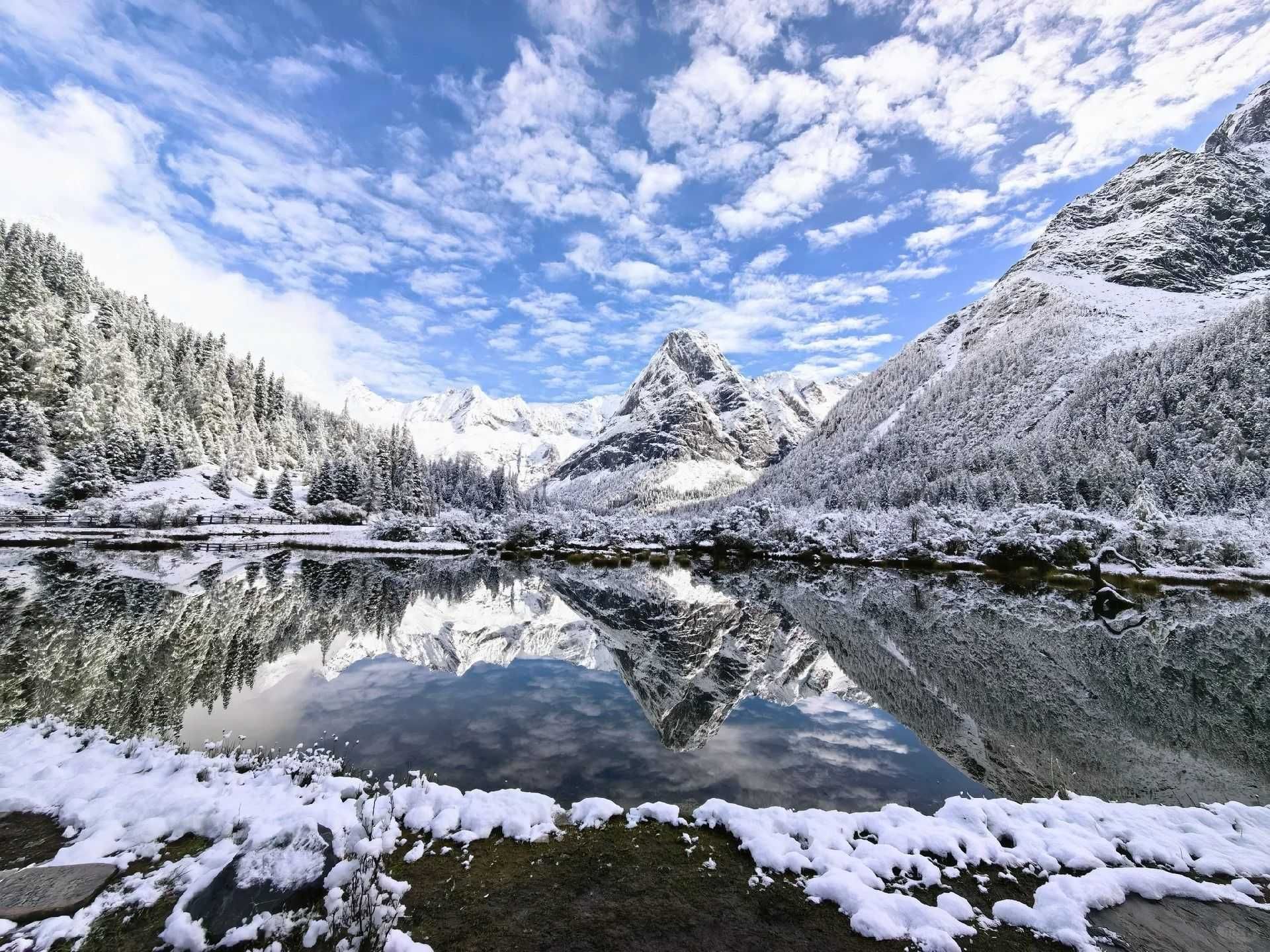
Lower slopes begin to turn green, while snow often remains on the higher peaks.
Late spring can be attractive for photographers who enjoy the contrast between fresh vegetation and snow-covered mountains.
However, weather conditions may change quickly, and higher trails can remain cold or icy.
Best for: Snow mountain photography, quieter sightseeing and seasonal contrasts.
Summer brings green alpine meadows, dense forests and flowing streams.
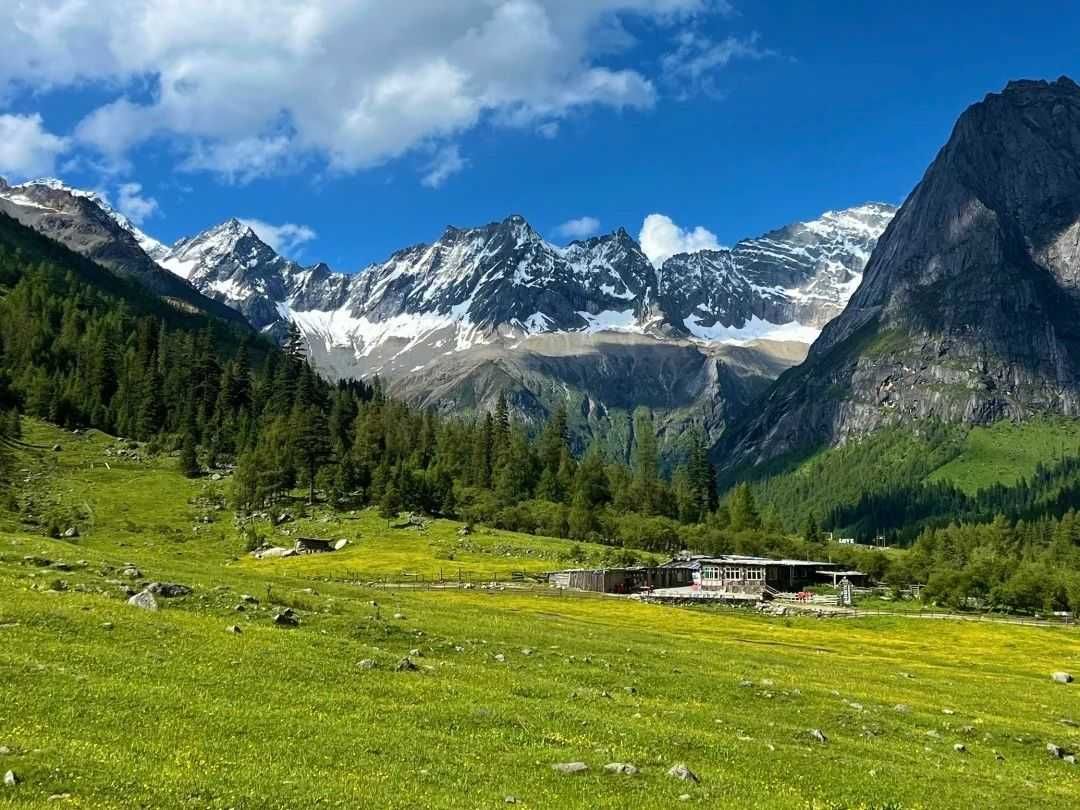
It is a popular escape from the heat of Chengdu and can be particularly appealing in Shuangqiao and Changping Valleys.
Summer is also part of the wetter season in western Sichuan. Clouds, rain and mountain road restrictions can affect visibility and travel plans.
Bring waterproof clothing and avoid assuming that every day will offer clear mountain views.
Best for: Green scenery, forest walks and summer mountain landscapes.
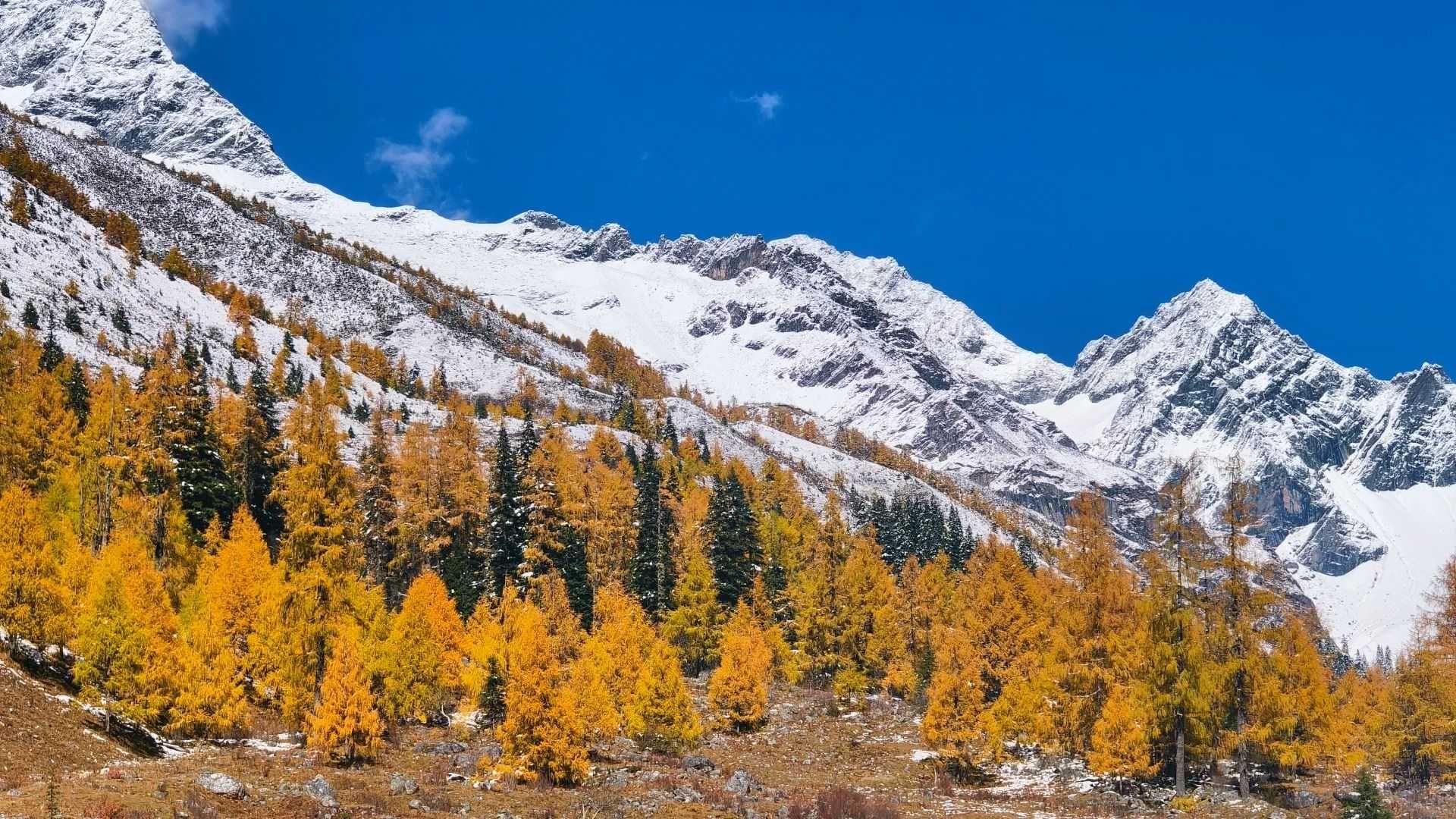
Autumn is one of the most beautiful times to visit Mount Siguniang.
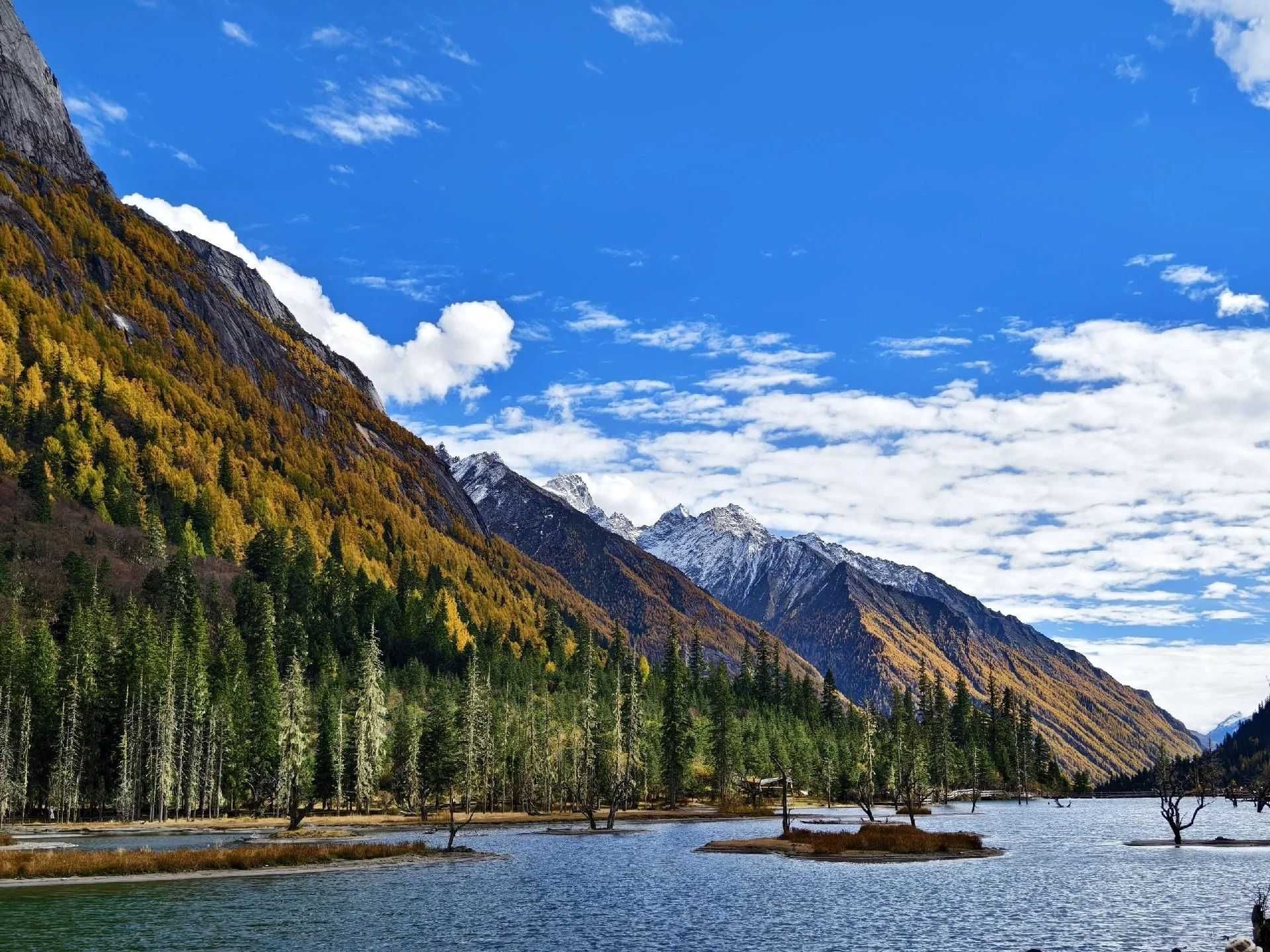
Golden larch forests, yellow and orange foliage, mountain grasslands and snowy peaks create striking contrasts.
Shuangqiao Valley is especially appealing for travelers who want accessible autumn scenery, while Changping Valley offers a more immersive woodland experience.
Clear days may also provide excellent views of Yaomei Peak from appropriate viewpoints.
Autumn colors normally develop across different elevations rather than reaching their peak everywhere at once.
For many travelers, October is a particularly attractive month, but the exact timing depends on the weather each year.
Best for: Autumn foliage, mountain photography and scenic walks.
Winter transforms the mountains into a landscape of snow, ice and dark evergreen forests.
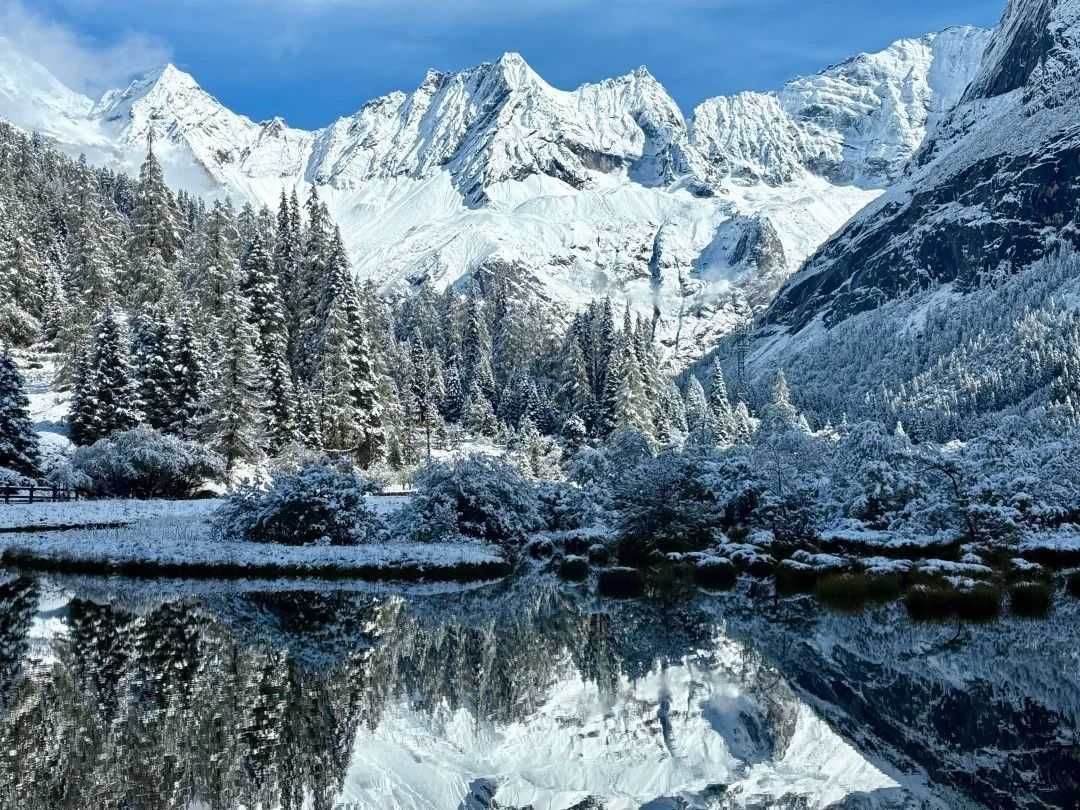
Shuangqiao Valley can be especially attractive for travelers seeking snowy scenery without undertaking a demanding trek.
However, access to particular viewpoints, walking paths or outdoor routes may be affected by snow and ice.
Road conditions also require additional attention.
Changping and Haizi may be more demanding in winter, particularly for visitors unfamiliar with hiking on icy terrain.
Best for: Snow mountain scenery, winter photography and quieter visits when conditions permit.
For most first-time visitors, autumn and late spring to early summer are especially rewarding, depending on personal preferences.
Choose autumn for golden forests and mountain colors, summer for green landscapes, and winter for snowy scenery.
There is no guaranteed month for completely clear skies, deep snow or perfect foliage, so keep expectations flexible.
Related reading:Best Places to Visit in Western Sichuan in Autumn
Mount Siguniang's three valleys have separate admission tickets.
Visitors should select the correct valley when making a reservation.
Published standard ticket prices include:
| Scenic area | Admission | Scenic transport |
|---|---|---|
| Shuangqiao Valley | CNY 80 | CNY 70 sightseeing bus |
| Changping Valley | CNY 70 | CNY 20 scenic-area connecting bus |
| Haizi Valley | CNY 60 | No standard sightseeing bus service |
These are published reference rates, not a guaranteed quote for every date or visitor category. Seasonal discounts, special outdoor permits, horse riding, insurance and other services may be charged separately. Check the actual booking system before payment.
According to the official notice effective April 1, 2026:
These are admission windows, not suggested starting times for long hikes. Special holiday notices and weather-related adjustments may change entry arrangements.
For the best sightseeing experience, arrive early, especially if you plan to spend most of the day in the valley.
The scenic area uses an advance reservation system, and popular dates can sell out.
Tickets can be checked through the official Aba Tourism platform atwww.abatour.comor the official Mount Siguniang Scenic Area WeChat channels.
International travelers should use the accepted identity document specified in the booking system and bring the same original document on the day of entry.
If you have difficulty booking with a foreign passport or arranging payment, seek assistance through an official booking channel or a reliable local travel operator.
Mount Siguniang Town lies at approximately 3,200 meters, while some popular viewpoints in Shuangqiao Valley are considerably higher.
Changping and Haizi routes can involve additional elevation gain and prolonged walking.
Visitors traveling directly from Chengdu should be mindful of altitude-related symptoms such as headache, nausea, dizziness and unusual fatigue.
Take things slowly, stay hydrated, and avoid strenuous activity when first arriving. If significant symptoms develop, stop ascending and seek medical advice. Anyone with relevant health concerns should consult a clinician before traveling.
Mountain weather can change even during the warmer months.
Bring layers, a warm outer jacket, sturdy walking shoes, sunscreen and rain protection.
In winter, prepare for icy surfaces and much colder conditions than in Chengdu.
A walking route that appears short on a map may take much longer at altitude.
Choose turnaround points based on your energy level and the time needed to return safely.
Do not begin a long trail late in the afternoon.
The roads connecting Chengdu, Wolong and Mount Siguniang cross mountainous terrain.
Rain, snow, ice and temporary traffic controls may affect travel times or access.
For safety, avoid unnecessary night driving through mountain roads.
Ordinary sightseeing and mountaineering activities are not the same.
Long treks, camping, climbing and travel through restricted areas may require special registration, tickets, guides or other approvals.
Never assume that an attractive trail shown on social media is legally open to independent visitors.
Popular dates, especially Chinese public holidays and peak autumn weekends, can bring increased demand for Shuangqiao Valley tickets and accommodation.
Book early where possible, and check current notices for entry quotas and operating arrangements.
Shuangqiao Valley is generally the best choice for first-time visitors because it combines varied mountain scenery with convenient sightseeing buses. Changping is better for forest walks, while Haizi is suited to more adventurous hikers.
Shuangqiao focuses on sightseeing by bus with optional short walks. Changping is more focused on walking through forests and enjoying views toward Mount Siguniang's main peaks.
Shorter visits to officially open sections may be possible, but longer hikes to the alpine lakes require stamina, preparation and appropriate route arrangements. Haizi is not the easiest choice for a first mountain trip.
Two days and one night is a compact trip from Chengdu. Three days and two nights is better if you want to visit Shuangqiao and experience part of Changping. Four days allow a more relaxed schedule.
No, not meaningfully. The valleys have separate entrances, and each deserves its own sightseeing time. Choose one valley if you have only one day.
Allow approximately four to five hours under normal road conditions, with additional time for traffic, weather and stops. Journey times can be longer during holidays or difficult weather.
No. There is no direct high-speed railway station at Mount Siguniang Town or the valley entrances. Most visitors travel by car or coach from Chengdu.
Mount Siguniang Town, formerly known as Rilong, is the most convenient base for most visitors. Check the hotel's actual distance to your chosen scenic-area entrance.
Snow remains on the highest peaks for much of the year, but snow on the valley floors is seasonal and weather-dependent. Winter generally offers the best chance of snowy sightseeing landscapes.
Yes, particularly Shuangqiao Valley, which has sightseeing buses and shorter walking options. Families should still consider the high altitude, temperature changes and individual health needs.
Shuangqiao features impressive mountains, but it is not the best location for direct views of the famous Yaomei Peak. Changping Valley, Haizi Valley and Maobiliang Viewpoint are generally better choices for that specific mountain perspective.
A guide is not generally necessary for standard sightseeing in Shuangqiao Valley or on open visitor paths. However, certain hiking, camping, climbing and other outdoor routes have separate rules and may require registered arrangements or professional support.
Mount Siguniang is much more than a single mountain viewpoint.
Its three valleys offer distinct ways to experience western Sichuan's alpine landscapes, from the accessible lakes and snow mountains of Shuangqiao to the forest trails of Changping and the open wilderness of Haizi.
For most first-time international visitors, Shuangqiao Valley is the natural starting point.
If you enjoy walking, adding Changping Valley creates a richer mountain experience. For experienced hikers, Haizi offers a more adventurous journey that requires careful planning.
Allow at least two days when traveling from Chengdu, and consider three or four days if you want to explore beyond a single valley.
Whatever the season, prepare for the altitude, check the latest park and road conditions, and choose an itinerary that matches your travel pace.
Planning a Mount Siguniang trip from Chengdu?
Nacayo Travel can help arrange private transportation, small-group journeys and customized western Sichuan itineraries based on your preferred travel dates, interests and travel style.
Contact Nacayo Travel:https://wa.me/message/7VM3TDO7LACRF1

NACAYO TRAVEL
China-Based Local Travel Specialists
Tailor-Made Travel · Private Tours · Local Experiences
TRUST FIRST. FUN FOLLOWS.